
Metro Magazine

 MENU
MENU SEARCHMENUSEARCH
Loading data...

To ensure the safe navigation of American roadways, it is essential to consider a comprehensive range of solutions that prioritize road safety.
Read More →





The transportation sector is growing increasingly competitive, with passengers and clients expecting greater convenience and connectivity from their transportation services.
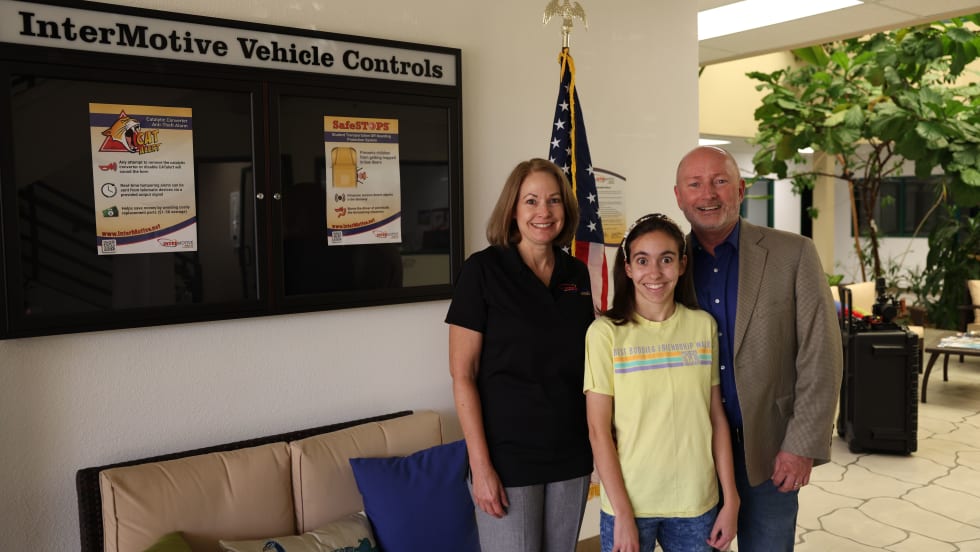
Read More →PRIDE Industries now manufactures 46 parts for InterMotive — 24 cable assemblies and 18 mid- to high-volume PCBAs. About half of PRIDE Industries’ employees have a disclosed disability.
Read More →At 10:19 a.m., Metrolink trains operating on Metrolink-owned tracks were slowed by an automated process initiated by Metrolink’s early earthquake detection system, which was adopted systemwide in March.
Read More →CAT and the City of Savannah remain committed to ensuring a secure and welcoming environment for all riders and staff.
Read More →The award recognizes an “active member of the WSO, who has shown above average skills in leadership, and supervision of transportation programs, etc.”
Read More →The FAST Act required the regulation, and the regulation also responds to a National Transportation Safety Board recommendation with the aim to enhance safety across the passenger rail industry.
Read More →The project will improve safety at the Doran Street crossing, which has one of the highest numbers of safety-related incidents involving vehicles, bicycles, or pedestrians in Los Angeles County.
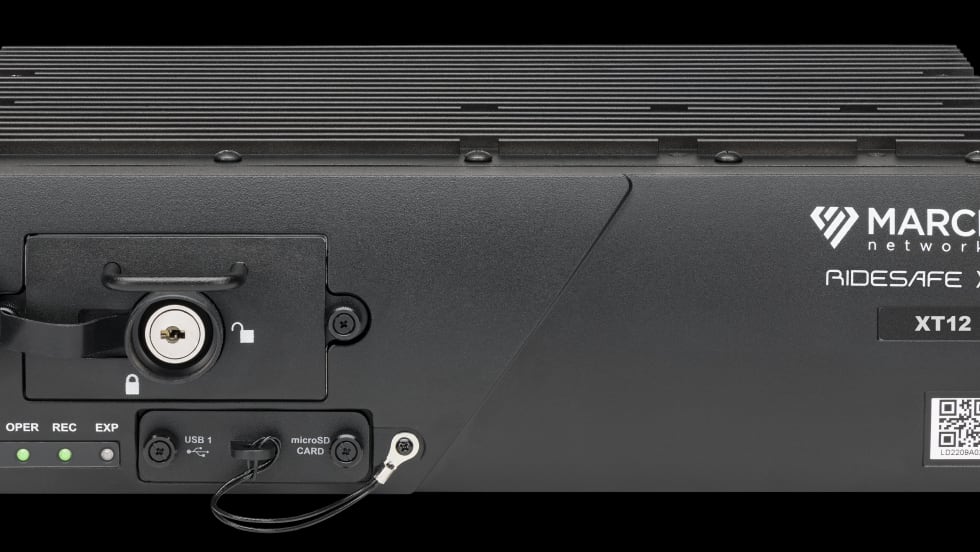
Read More →Purpose-built for the specific requirements of today's transportation industry, the new March Networks solution reduces security risk, keeps passengers and operators safer, and gathers more conclusive evidence than is possible today with legacy solutions, according to the company.
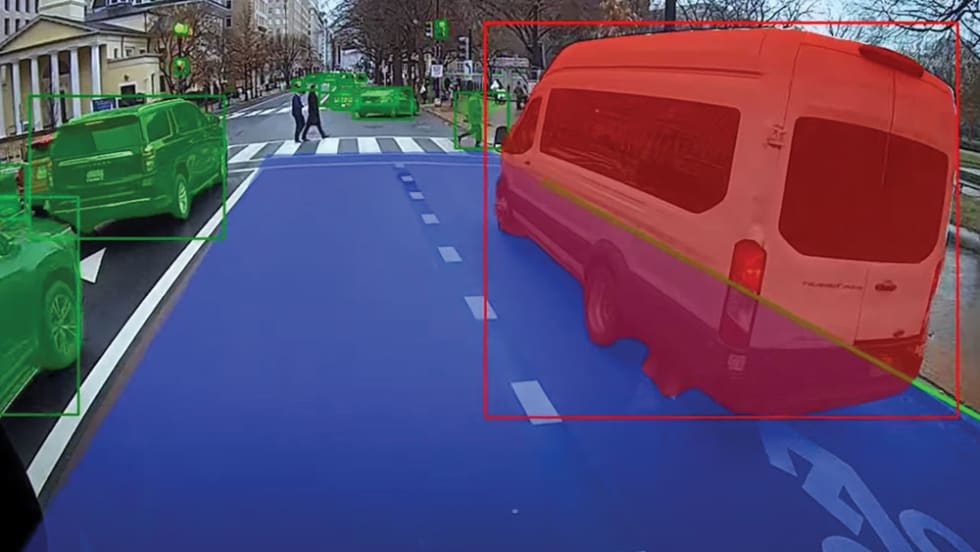
Read More →The presentation “AI-Based Vehicle Detection: Reducing Collision Risk, Enhancing Transit Service,” part of the “Exploration of Safety Technology” Learning Zone panel is set to explore AI-based advancements in urban mobility.
Read More →