
Metro Magazine

 MENU
MENU SEARCHMENUSEARCH
Loading data...

The plant, created earlier this year, is now running at full capacity and can produce 50 million masks per day.
Read More →
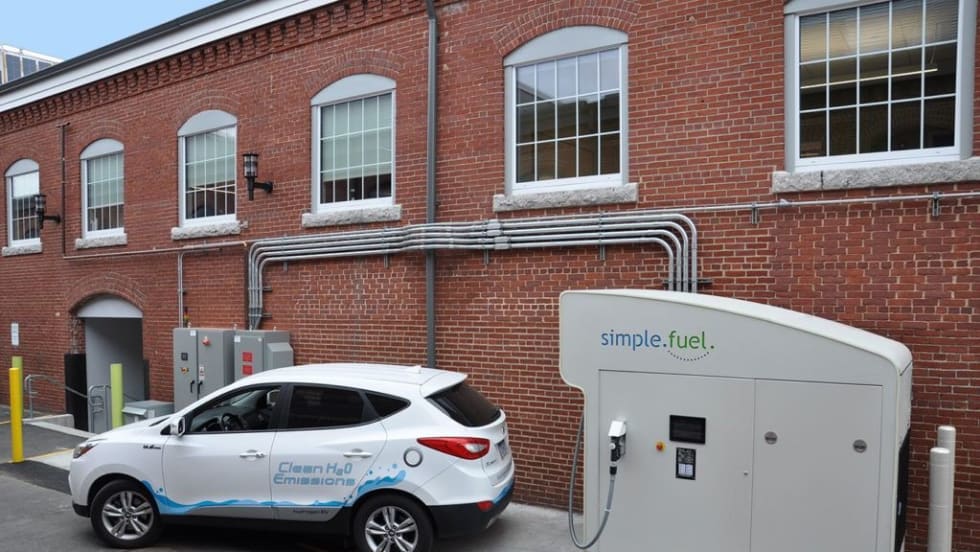






Propane autogas, the term used for propane when used in an on-road engine, has both economic and environmental benefits.
Read More →Access to data from real-world operation of hydrogen and fuel-cell applications and help guide future DOE research and development.
Read More →Over $4.7 million in federal and industry funding will support low-carbon and smart mobility research in Canada.
Read More →Includes $7.3 million for new tech/designs for rail transit safety; and $2 million for projects that redesign transit bus operator compartment.
Read More →Officials will conduct research and submit a report by April 2020 on offering the service to young students for free.
Read More →Rich Archuleta's career includes a 26-year stint with Hewlett Packard, where he started out in semiconductor research.
Read More →CDTA celebrates New Flyer battery-electric buses, digital signage coming to TriMet, and Icomera expands R&D facilities.
Read More →Research suggests that when looking for a place to settle, the most important criteria for those aged 24 to 44 is easy access to transit.
Read More →Because the system is tied to RTD’s data feed, employees no longer have to manually research routes and write alerts from scratch.
Read More →