
Metro Magazine

 MENU
 SEARCHMENUSEARCH
Loading data...
In times of disaster or tragedy, public transit agencies are frequently called upon to assist their communities and other transportation organizations. In case of fire, evacuation or accident, buses may be used to shelter or transport the displaced or injured, or serve as a respite site for first responders.
Read More →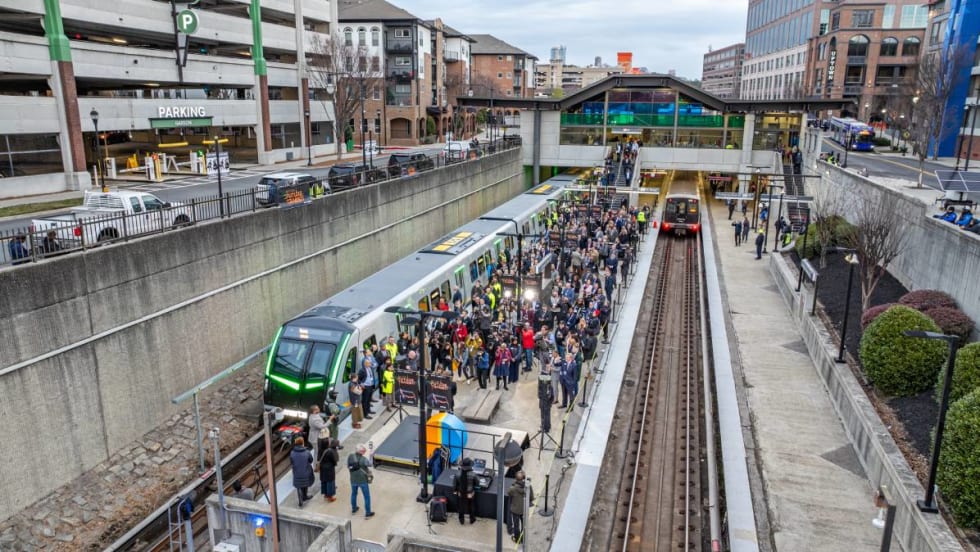



MARTA lays out their plans for the future, including new train cars, zero-emission vehicles, and customer experience upgrades.
Read More →Public transportation is a greener choice than other traveling options, but considering the scale of the climate change problem, there’s much more work to do.
Read More →Six forward-thinking bus strategies that can support small cities with population growth.
Read More →The contractor will begin operating the OmniRide service Nov. 1 and has already begun changeover activities to ensure a smooth transition that will be invisible to riders.
Read More →Record enrollment of freshmen, most of whom are required to live on campus, will push other students off-campus, forcing them to commute. University officials are looking for ways to encourage students not to bring their cars to campus and to take the bus instead.
Read More →Train conductors answer questions about the safest place to sit in the railcar and whether a "sick person" is a euphemism for something else.
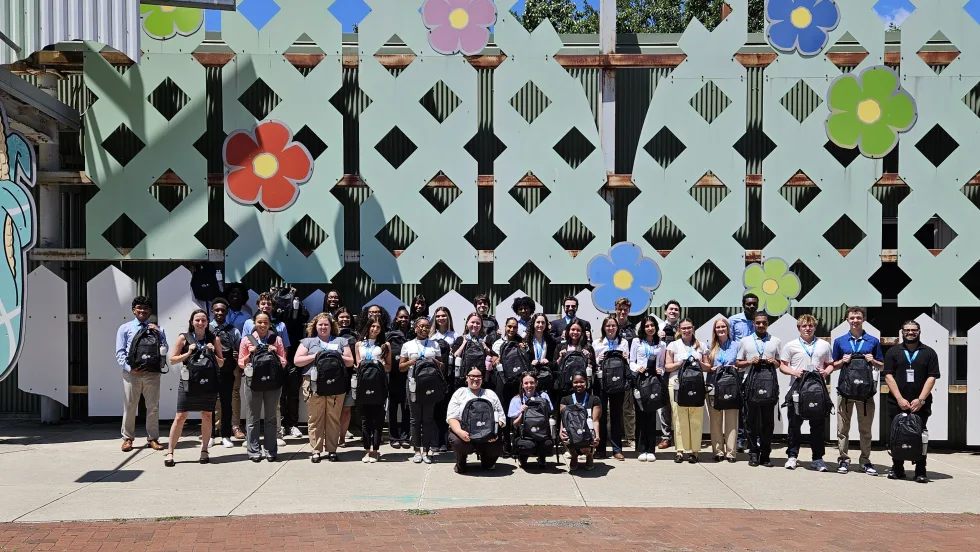
Read More →The Delaware River Port Authority and PATCO have transformed their internship program into a hands-on professional development experience that introduces students to the breadth of transportation careers — and creates a pipeline for future employees.
Read More →To remain relevant, transit agencies must have a vision for the future, including the role that driverless technology will play.
Read More →