
Metro Magazine

 MENU
 SEARCHMENUSEARCH
Loading data...

Nine industry experts weigh in on key transportation topics. Whether it is maintaining and growing ridership on public transportation or taking advantage of new project delivery methods, many believe it is important to embrace today’s more modern approach to living, working and playing.
Read More →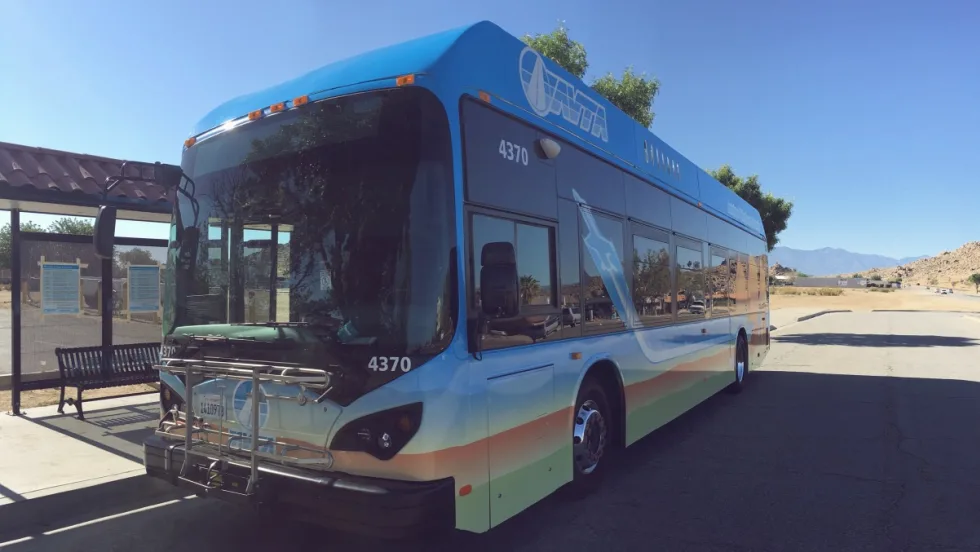





Across North America, transit agencies are under growing pressure to electrify their fleets. Local and state mandates are driving the transition, and public expectations for cleaner, quieter transit are rising.
Read More →The seven short videos are designed to entice new riders to sample the range of public transportation options available in Orange County, and take viewers along for the ride aboard vanpools, carpools, trains, buses and bikes. This video focuses on buses.
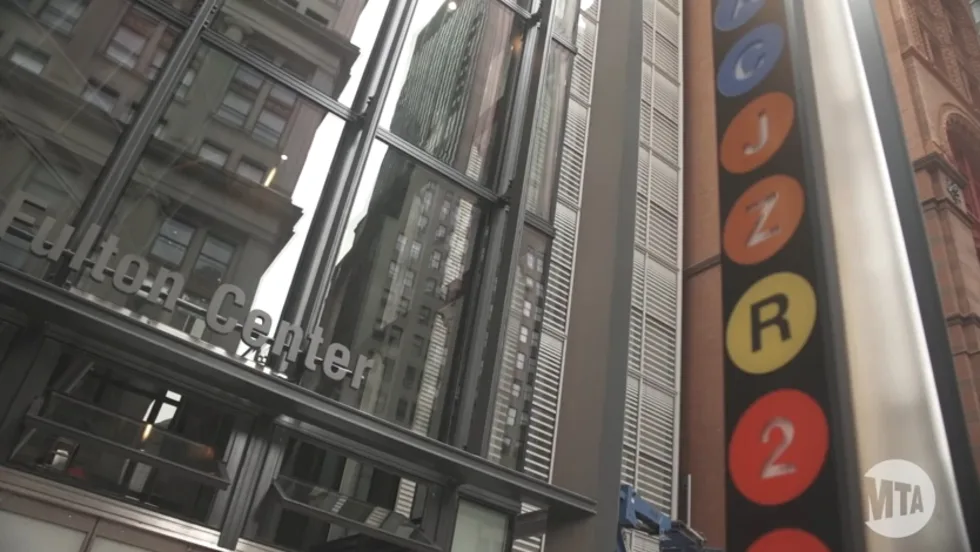
Read More →The New York Metropolitan Transportation Authority (MTA) unveiled the Fulton Center, located at the crossroads of Lower Manhattan on Broadway between John and Fulton Streets. The fully digital transit and retail hub integrates architectural ingenuity that fuses history, art, and sustainable engineering.
Read More →U.S. Transportation Secretary Rodney Slater certified that a revised transportation plan for the Atlanta area will meet federal air quality standards for the area, averting a withdrawal of federal highway money.
Read More →Louis J. Gambaccini helped shape transportation policy and initiated innovative solutions for transit issues during his more than 50-year career.
Read More →Access to reliable transportation, particularly public transportation, is essential for returning military veterans with disabilities to reintegrate to civilian life and obtain critical medical and support services, according to a new Rutgers study.
Read More →Additionally, more than a quarter of citizens will be using a self-driving car, according to a forthcoming global study from Xerox.
Read More →Group brought together youth with disabilities, parents and other family members, and representatives from the disability, transportation and youth communities.
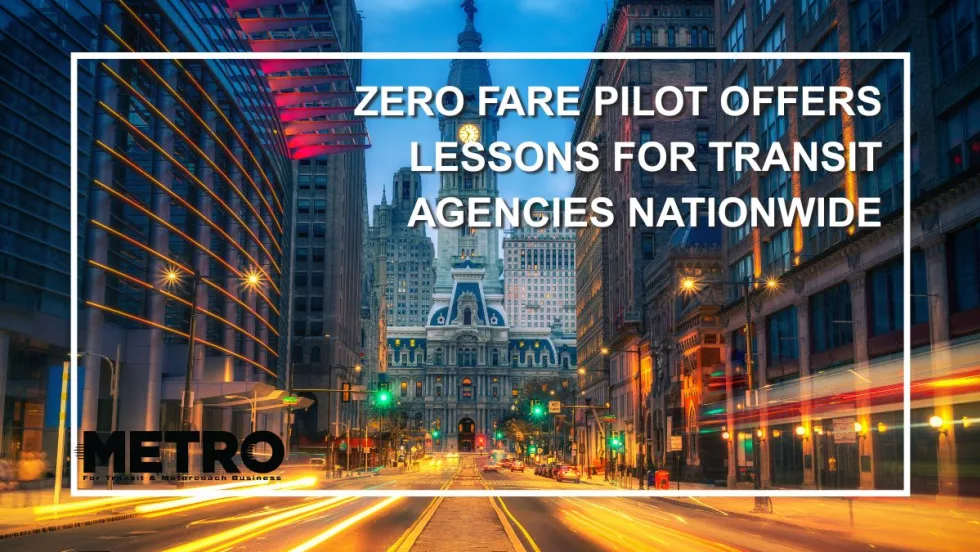
Read More →An Urban Institute evaluation found that a fare-free transit program increased ridership, reduced transportation barriers, and improved access to jobs, healthcare, and other essential services.
Read More →