
Metro Magazine

 MENU
MENU SEARCHMENUSEARCH
Loading data...
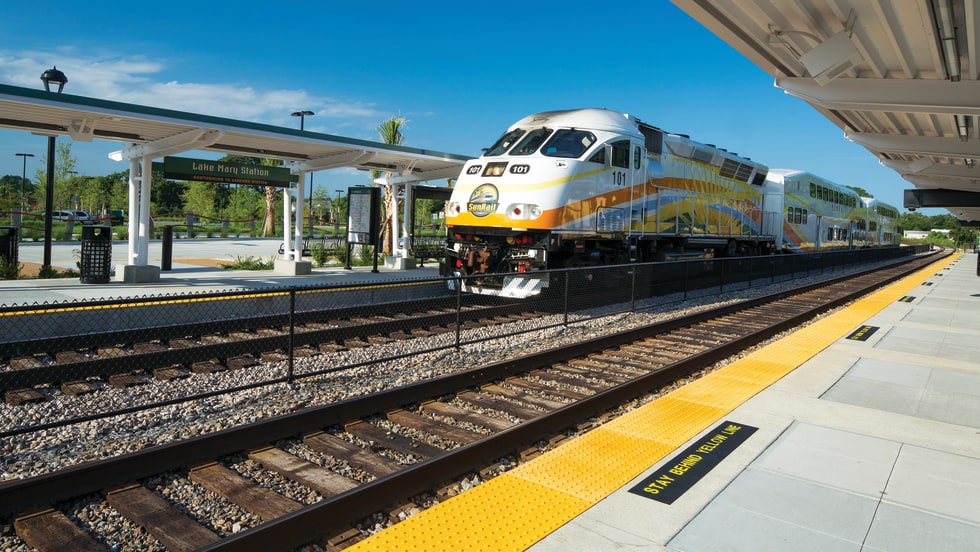
If well managed, the political, public and stakeholder engagement process — where all of the key people involved are vested in the vision and goals of the project — can form the groundwork for timely project delivery.
Read More →
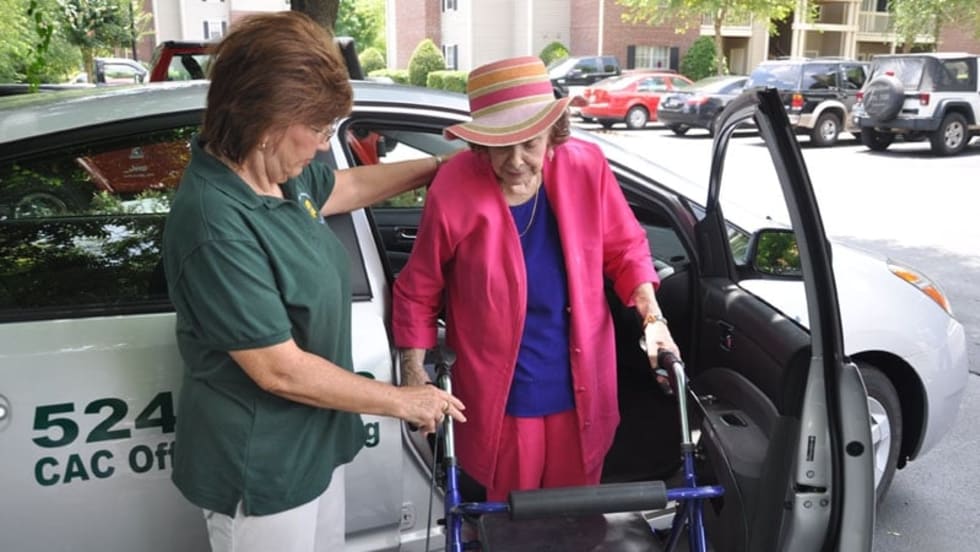

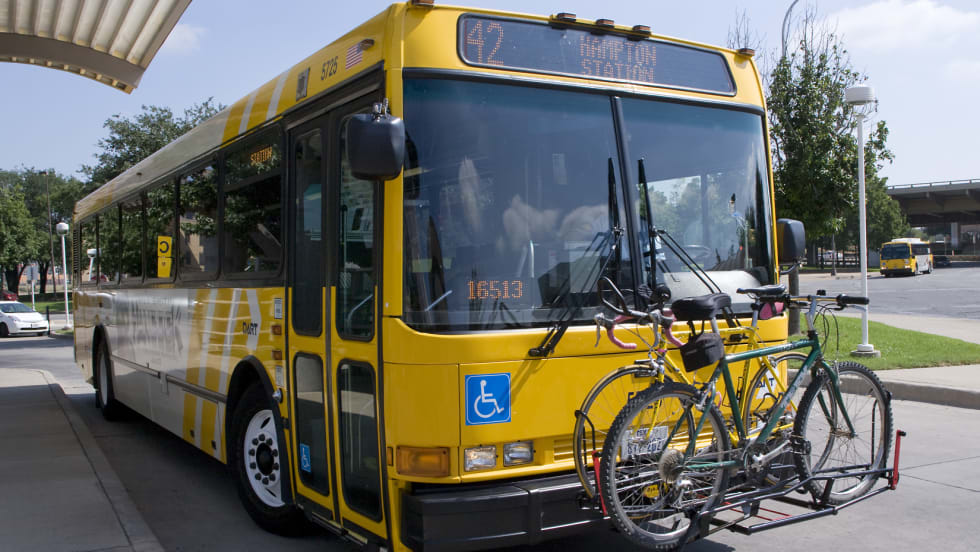
While cost-conscious consumers are often looking for the best value, there are other factors they should weigh, including the quality of the service they are paying for, safety, and customer service. Effectively learning to sell those finer points to potential customers can greatly impact your bottom line.
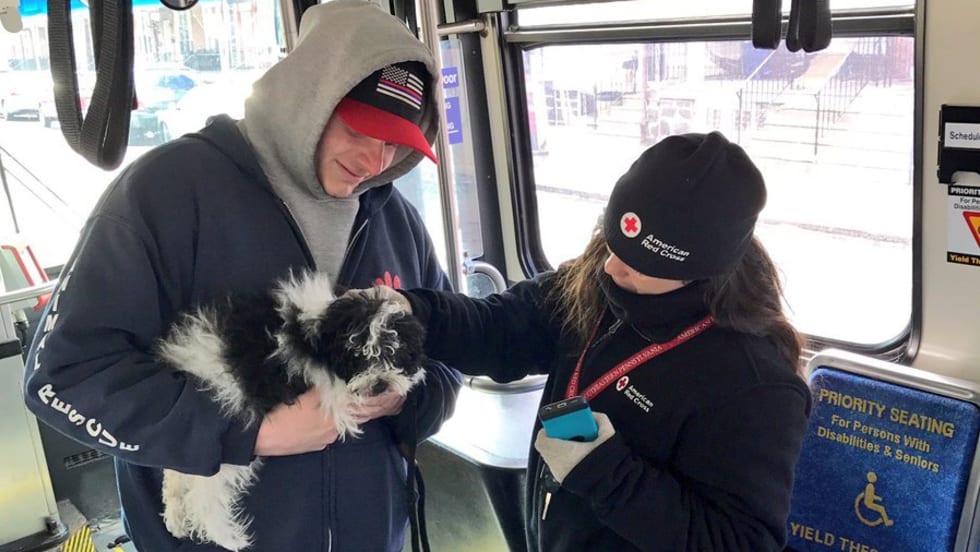
Read More →Transit’s role as a public service is much more than driving millions of riders — many of whom have no other transportation option — every day. Mass transit authorities can often be called upon to assist during an emergency event.
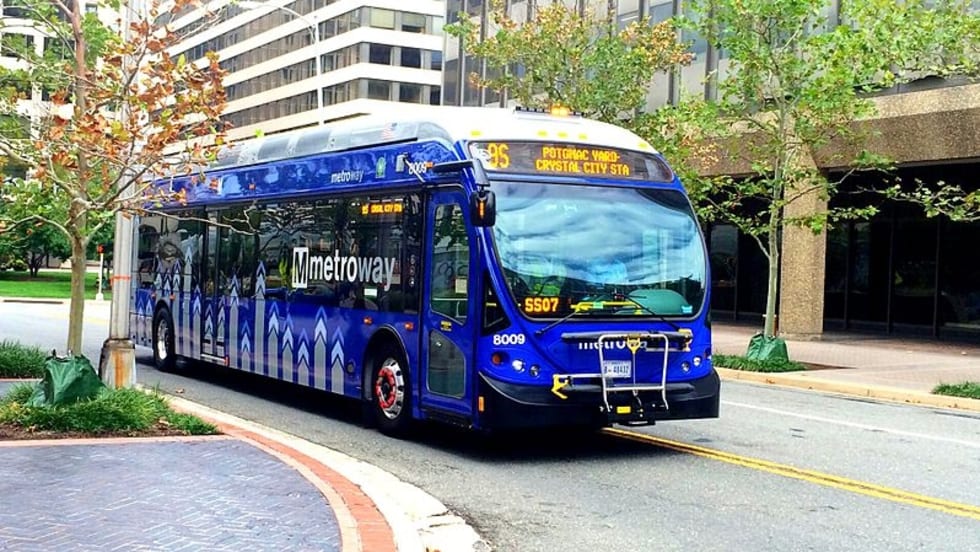
Read More →...as a transportation planner who has worked on bus rapid transit-style systems in the greater Washington region, I’ve noticed a disconnect in the public’s expectations versus the reality of the systems they’re getting. It got me wondering: do people have an accurate picture of what BRT means or the benefits the systems provide? During public-planning sessions, I’ve heard a lot of feedback on BRT. The gist is, “That’s really nice that the bus is a different color and the station platform is fancy, but I just want it to be on time.”
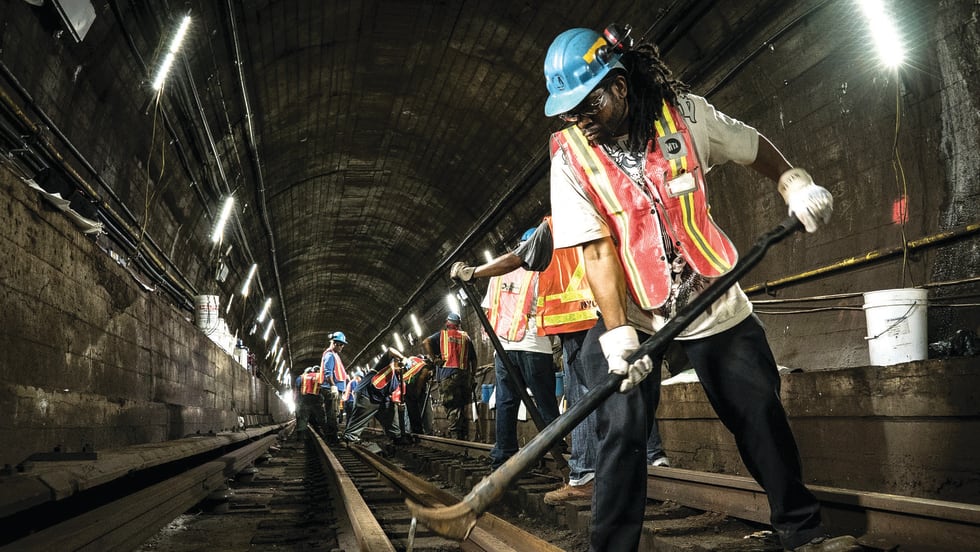
Read More →The transportation system of metropolitan New York was significantly impacted by Superstorm Sandy — including New York City subway and Amtrak rail tunnels damaged by flooding — and the after effects are still being addressed.
Read More →Transportation systems are encouraged to welcome seniors and people with disabilities who want to have a role on advisory committees, who provide input into local planning activities, and who volunteer as mentors or peers to other riders.
Read More →With Winter Storm Jonas dropping more than 25 inches of snow throughout several areas in the Northeast, WMATA, Maryland Transit and New York MTA all began some form of service for the Monday morning commute.
Read More →The 3 “S” rule of transportation — Safety/Service/Schedule — should not be limited to fixed-route bus service. Many modes of surface transportation can (and should) benefit from prioritizing the way in which we transport those that require our professional services.
Read More →Seeing a canine passenger on mass transit is not uncommon, but the reasons why a dog might catch the train or hop a bus are varied (remember Eclipse, the Seattle Lab mix that uses the bus, often on her own, to get to the dog park?). Most public transit pooches are working —as K-9 officers or service animals. In the Philadelphia region, other animals — in approved carriers only—are permitted to ride the Southeastern Pennsylvania Transportation Authority’s buses, trains and trolleys. However, a new pilot program underway by SEPTA allows registered therapy dogs volunteering at two Philadelphia hospitals to use two designated bus routes to travel to their sites.
Read More →The portion of the Cotton Belt service DART will operate in Dallas, Denton and Collin counties is seen as key to connecting Fort Worth, the airport and cities along or between DART’s Green and Red lines.
Read More →