
Metro Magazine

 MENU
 SEARCHMENUSEARCH
Loading data...

The economic recession has only provided a temporary respite from the growing congestion problem, according to a new study. When the economic growth returns, the average commuter is estimated to see an additional three hours of delay by 2015 and 7 hours by 2020.
Read More →


In this edition of Biz Briefs, we highlight the latest developments shaping the future of mobility — from manufacturers and technology providers to transit agencies and motorcoach service operators.
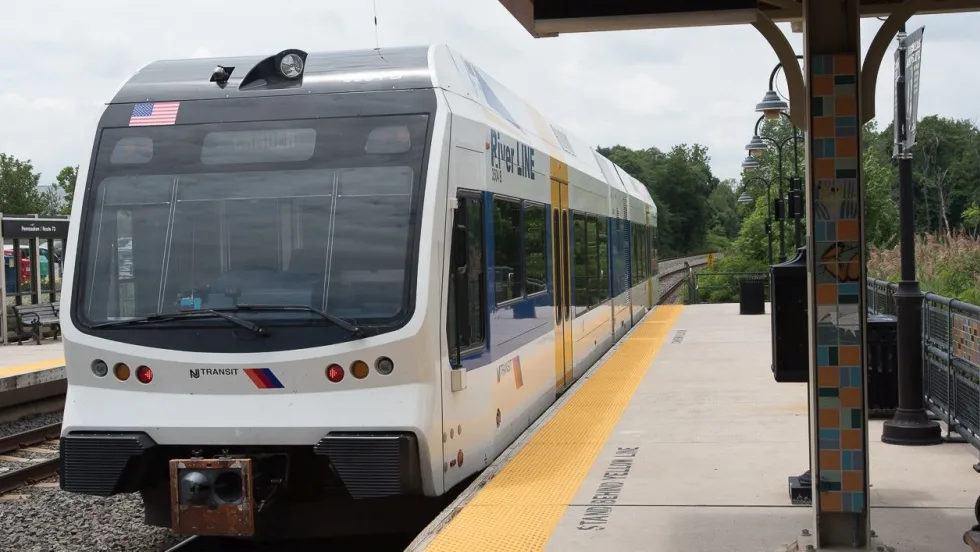
Read More →The Executive Order has two parts. Within 45 days from signing, the Commissioner of Transportation, in her capacity as Chair of the NJ TRANSIT board, will develop and send to the Governor a comprehensive plan to improve riders’ experiences.
Read More →The rise in ridership is reflective of transit agencies adapting to the swiftly changing needs of their communities while delivering safe, reliable service, according to APTA.
Read More →Runs from April 29 to May 5 under the theme of "A Shared Responsibility," emphasizing that Canadians play an important role in rail safety. Promotes the importance of rail safety by engaging in dozens of community-level events and local activities.
Read More →The findings also suggest that most Texans may be reluctant to make significant lifestyle changes to cope with congestion, such as changing where they live.
Read More →the university provides campus shuttle service to help students, faculty, and staff get around campus, while also looking to minimize the amount of driving and traffic that often occurs around a university campus.
Read More →Nine city walls feature the special paint, which sprays urine right back onto the shoes and pants of unsuspecting relief-seekers.
Read More →The $4.5 billion capital and operating budget proposal provides a worst-case scenario; however, WMATA’s funding partners are currently working through legislation that may reduce some of the most detrimental fare and service changes proposed.
Read More →In 2010, deficiencies in America’s roads, bridges, and transit systems cost American households and businesses more than $129 billion, including approximately $97 billion in vehicle operating costs, $32 billion in delays in travel time, $1.2 billion in safety costs, and $590 million in environmental costs.
Read More →