
Metro Magazine

 MENU
MENU SEARCHMENUSEARCH
The adverse effects of COVID-19 on transit ridership have been felt across the country. Yet, as recovery is underway, BRT ridership is rebounding, and in many instances, rebounding faster than other modes.
Read More →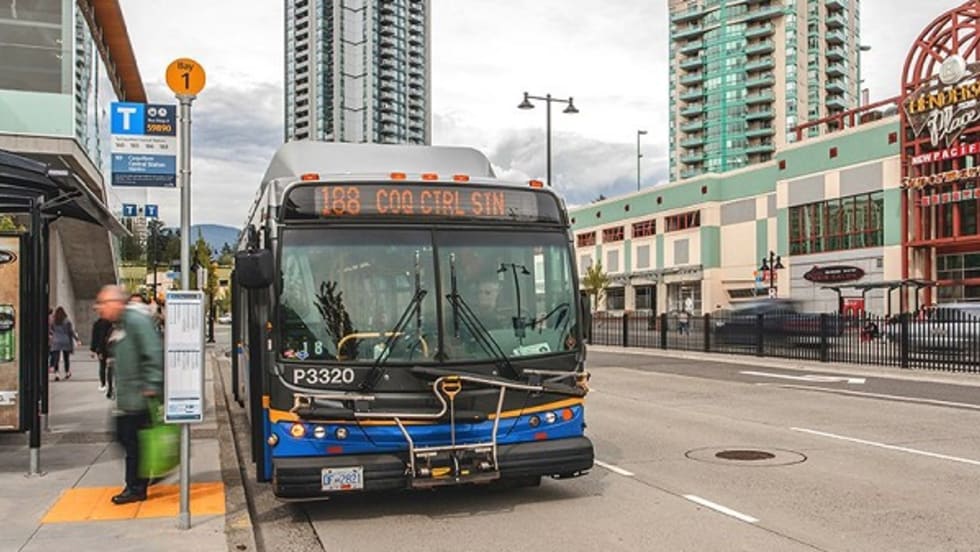
According to the agency's 2020 Transit Service Performance Review, annual system-wide boardings were down 52% when compared to 2019.
Read More →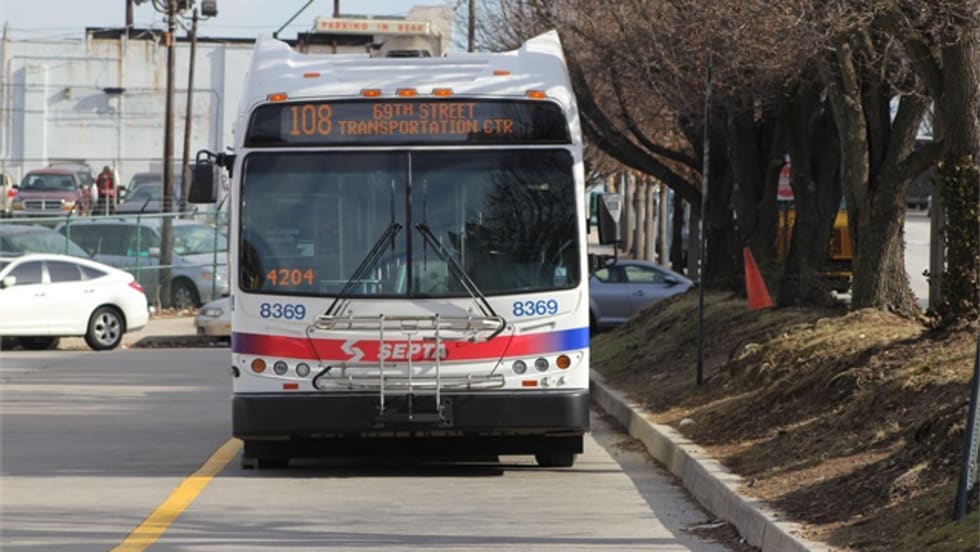
Seating estimates featured on the new online tool are based on ridership data that the agency collects from a mix of sources, including Automatic Passenger Counting systems and assessments by SEPTA personnel and traffic checkers.
Read More →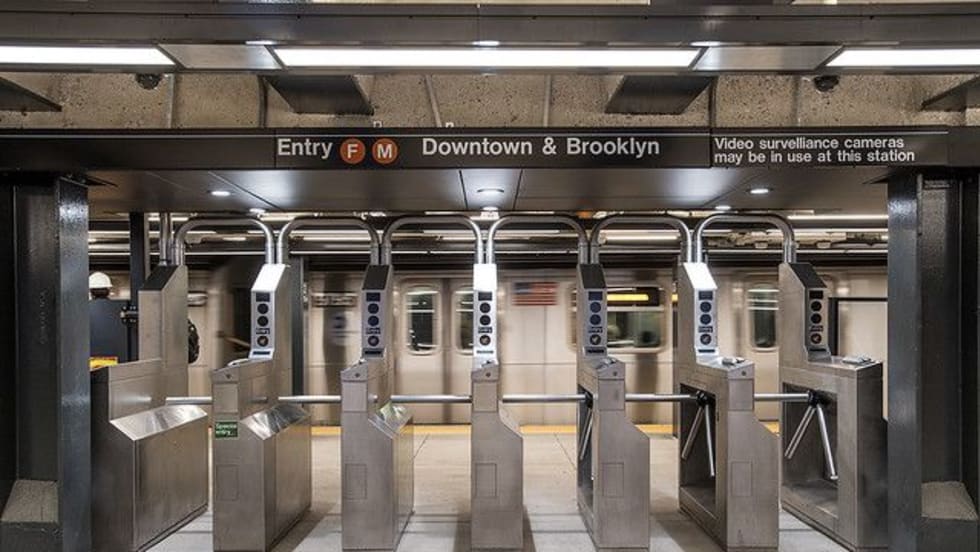
Mask usage in the system remains high, with more than 98% of customers wearing a mask when riding mass transit.
Read More →
A reported 2,009,025 trips were recorded on the subway on April 8, the first time that more than two million trips were taken on the subway since the onset of the COVID-19 pandemic in New York City.
Read More →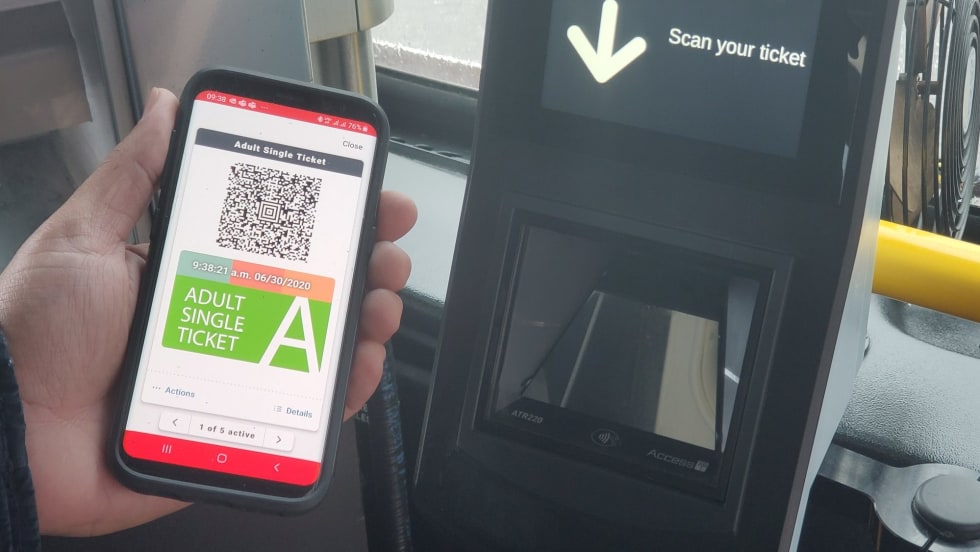
Alongside discussions around safety measures, such as limiting or staggering ridership to better enable physical distancing, mandatory mask wearing, and the introduction of rules and changes enabling safe increases in system capacity, agencies have been accelerating operational changes that were already being examined pre-pandemic.
Read More →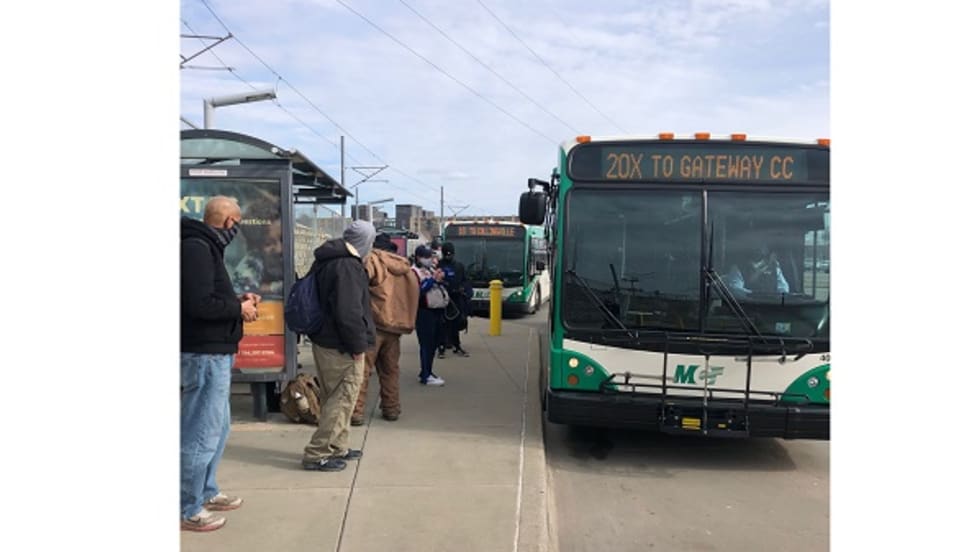
With increased collaboration among the St. Louis Regional Freightway, Metro Transit, and Madison County Transit the region sees more ridership and economic development, even in the midst of the pandemic.
Read More →
Under the multi-year partnership, Hitachi America will design and deliver multi-channel messaging and a mobile-wallet technology for the agency's passengers.
Read More →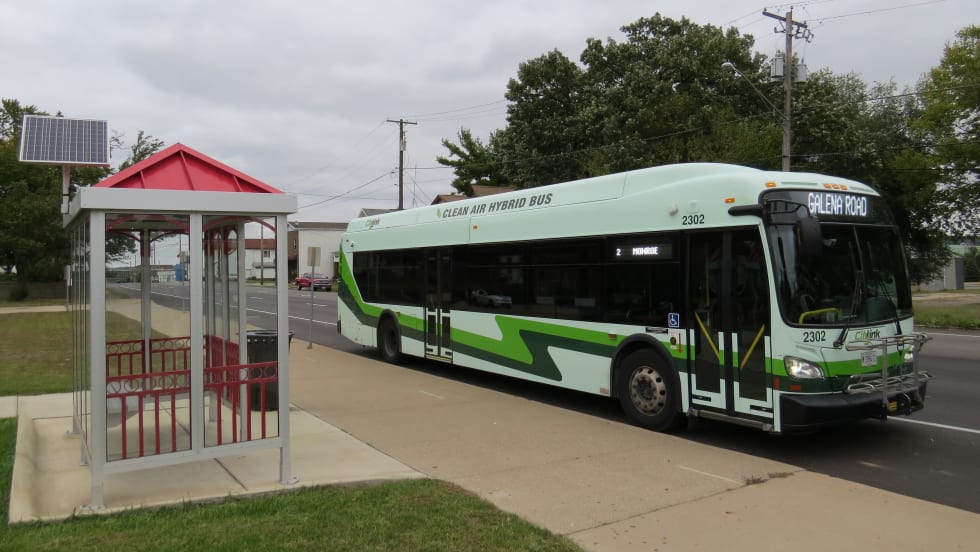
At the heart of the industry, marketing campaigns are what ultimately help build service awareness, promote safety, and boost accessibility, all while maintaining efficient ridership levels for transit agencies.
Read More →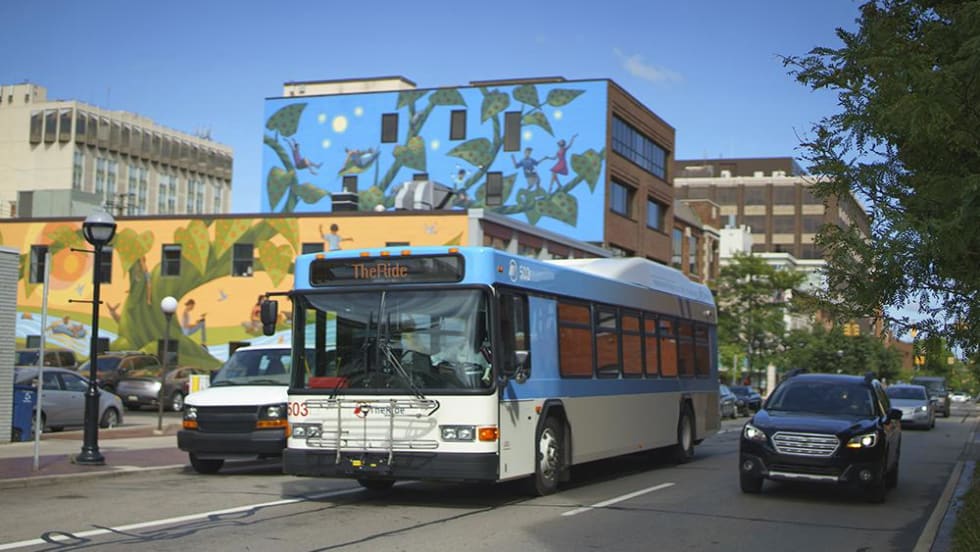
While the much-needed initial rounds of emergency funding through the CARES Act and CRRSAA provided transit agencies across the nation with relief, transit funding needs continue to grow due to ongoing losses of ridership, fare revenue, and state and local tax revenue.
Read More →