
Metro Magazine

 MENU
MENU SEARCHMENUSEARCH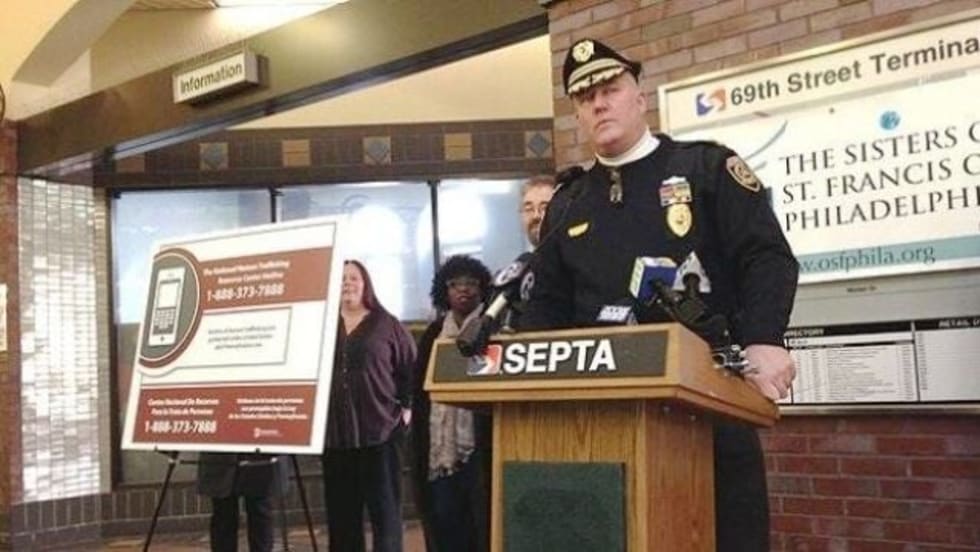
Transit can play a role in helping to stop human trafficking, considering the number of people using it 24 hours a day. SEPTA Police Chief Thomas Nestel was recently joined by representatives from local social service agencies and a former human trafficking victim to discuss signs of the crime, law enforcement efforts and how the public can help.
Read More →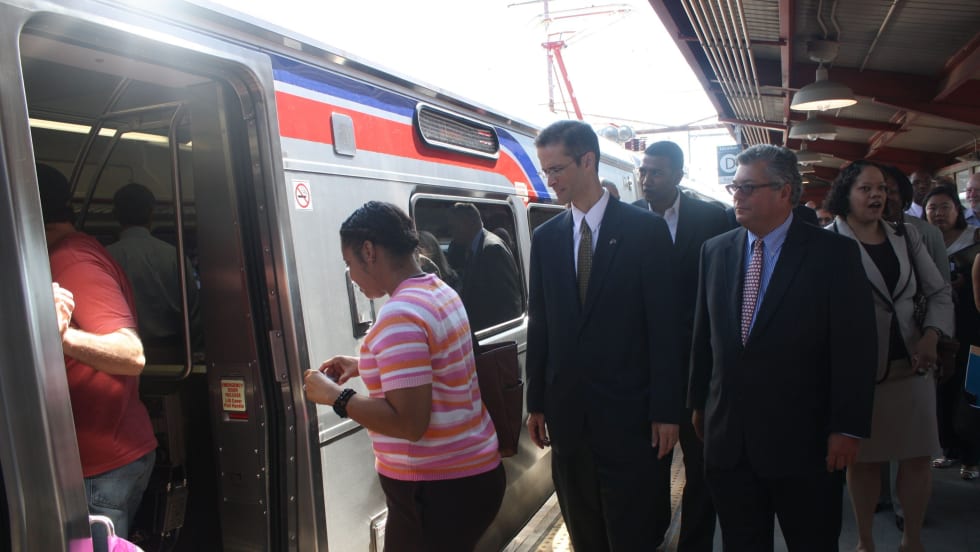
Will celebrate with an ad campaign featuring logos used over the past 50 years, gathering and sharing stories, photos and memorabilia from riders.
Read More →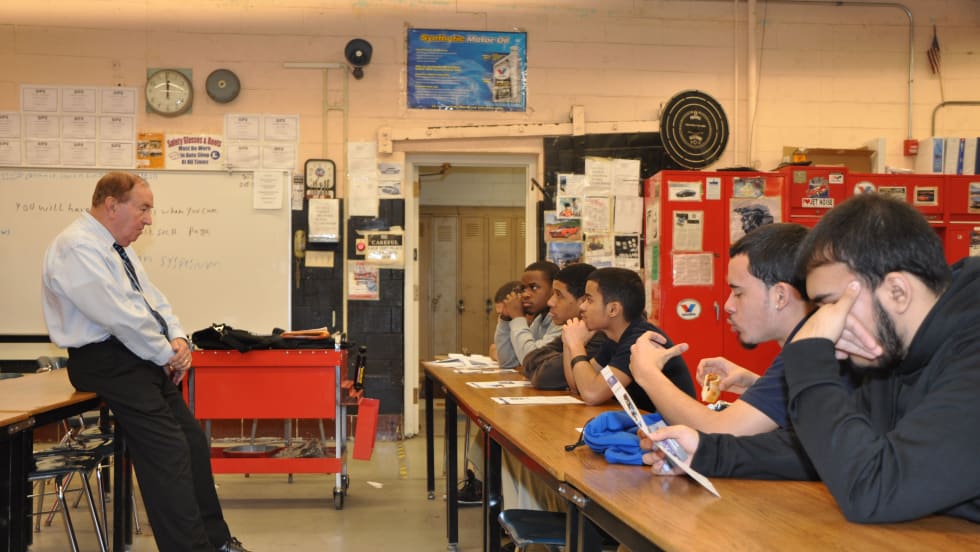
Jobs in the transportation industry can be highly specialized, requiring employees to have very specific training and numerous certifications. Transit systems can ensure that the workers they are hiring are well-prepared for open positions by partnering with technical schools to collaborate on curriculum and create a pipeline of qualified job candidates.
Read More →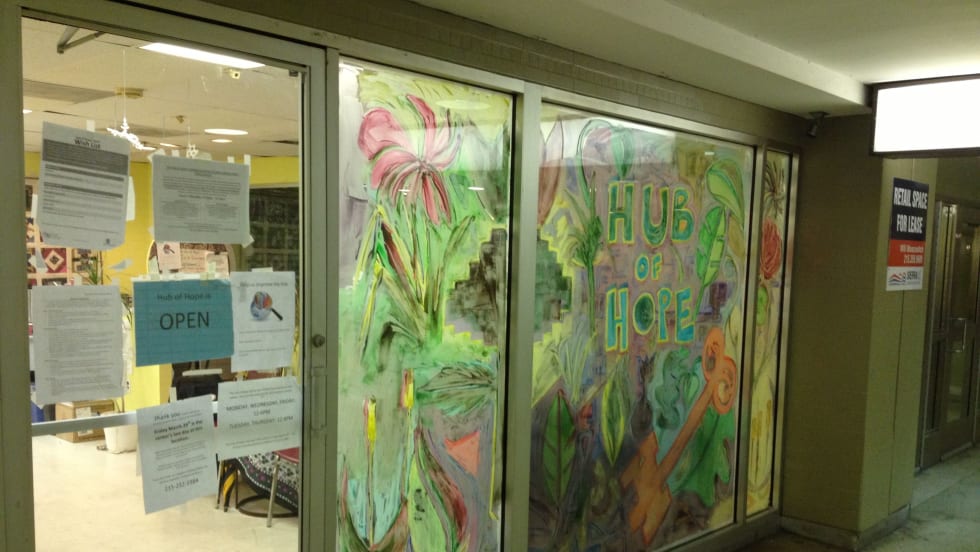
When the frigid weather makes it too hazardous to stay outside, many homeless seek shelter in train stations, bus depots and other public facilities. SEPTA has partnered with an organization that works to end homelessness to create the "Hub of Hope," which offers a variety of services and housing, especially for those experiencing long-term street homelessness.
Read More →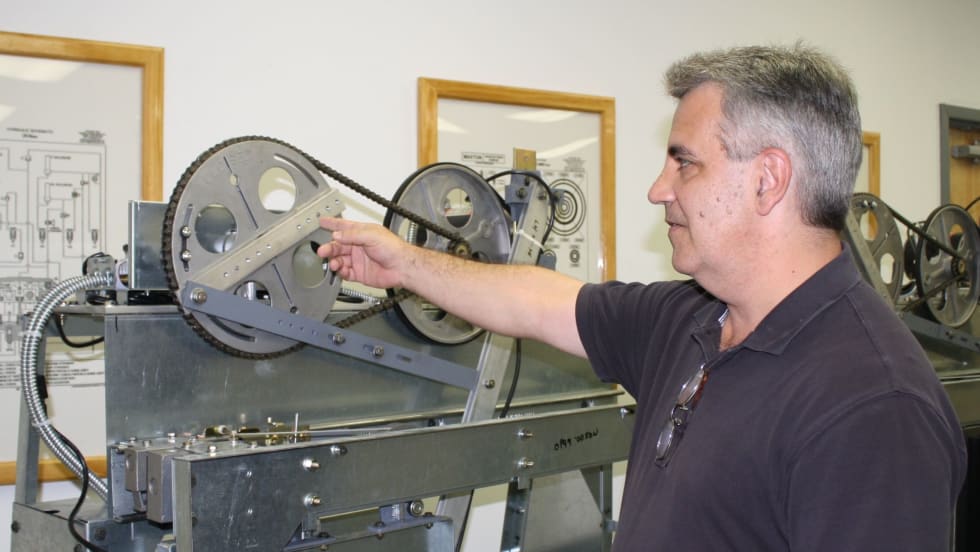
For some public transit riders, the first mode of travel they take every day is not a transit authority’s trains or buses, but rather the elevators and escalators to get to a station’s platforms or vehicles. And to keep them moving, elevators and escalators require as much attention as an organization’s fleet.
Read More →
Making more sustainable choices for fuel, power and water can save big money.
Read More →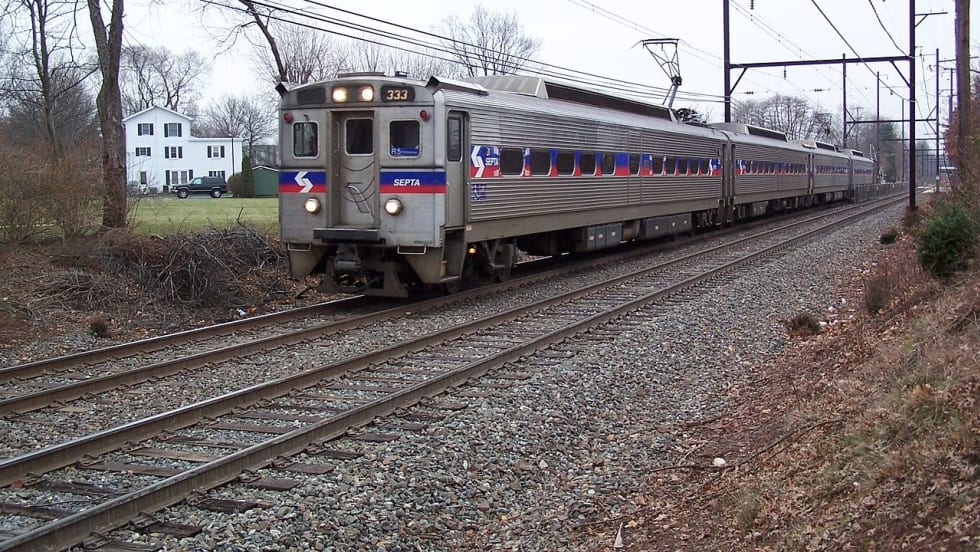
Over the next two years, hot spots will be added at all stations on the Market-Frankford and Broad Street Lines and at several additional locations on the Norristown High Speed Line.
Read More →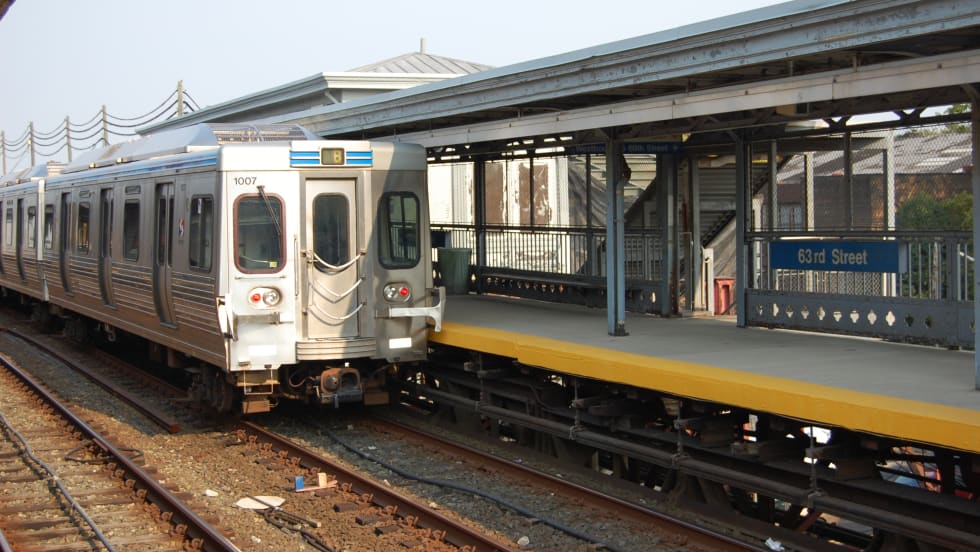
Entered into a three-year contract with PPL EnergyPlus for the power supply to accommodate the electric generation requirements for its Broad Street Line subway, high-speed and trolley lines. These operations require approximately 400,000,000 kilowatt hours of electricity per year.
Read More →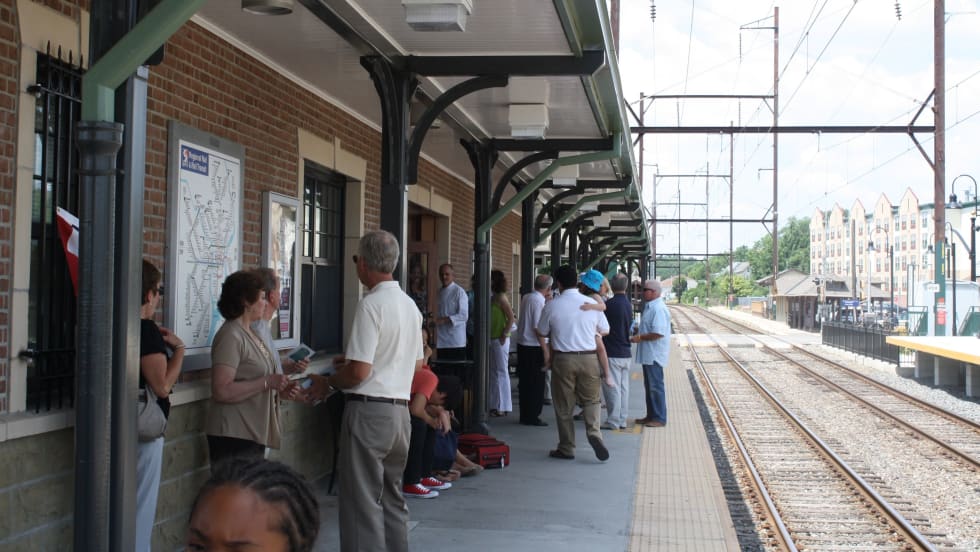
Across the country, transit is experiencing record ridership growth. The increase in commuters is not only good for transit organizations’ revenue; proximity to train stations and transportation centers can boost property values for surrounding communities and spur new construction of transit-oriented developments, shopping centers and other businesses. But what happens to communities when the “T” in the TODs is no longer there?
Read More →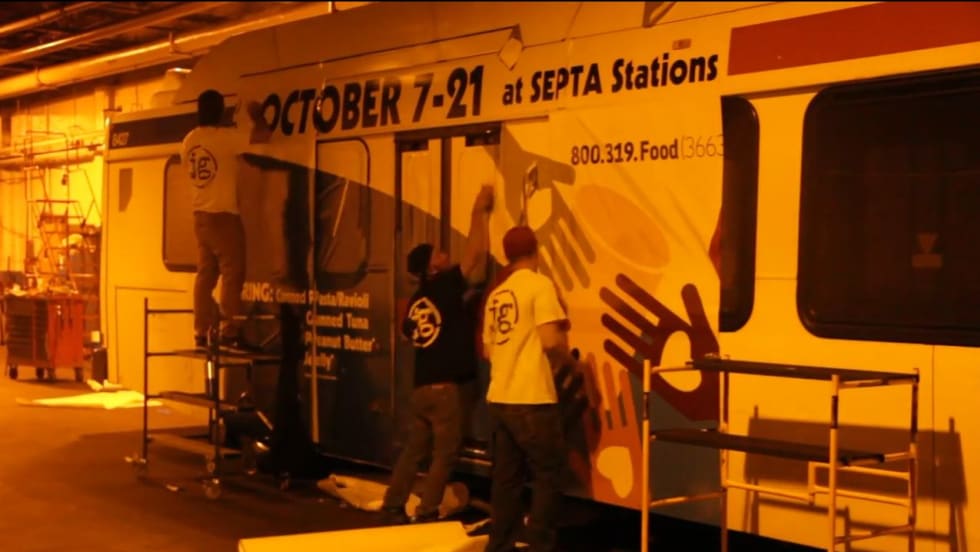
Ever wonder how long it would take to wrap a 40-foot bus in a full advertisement?
Read More →