



Keeping the transit jobs pipeline flowing
Jobs in the transportation industry can be highly specialized, requiring employees to have very specific training and numerous certifications. Transit systems can ensure that the workers they are hiring are well-prepared for open positions by partnering with technical schools to collaborate on curriculum and create a pipeline of qualified job candidates.

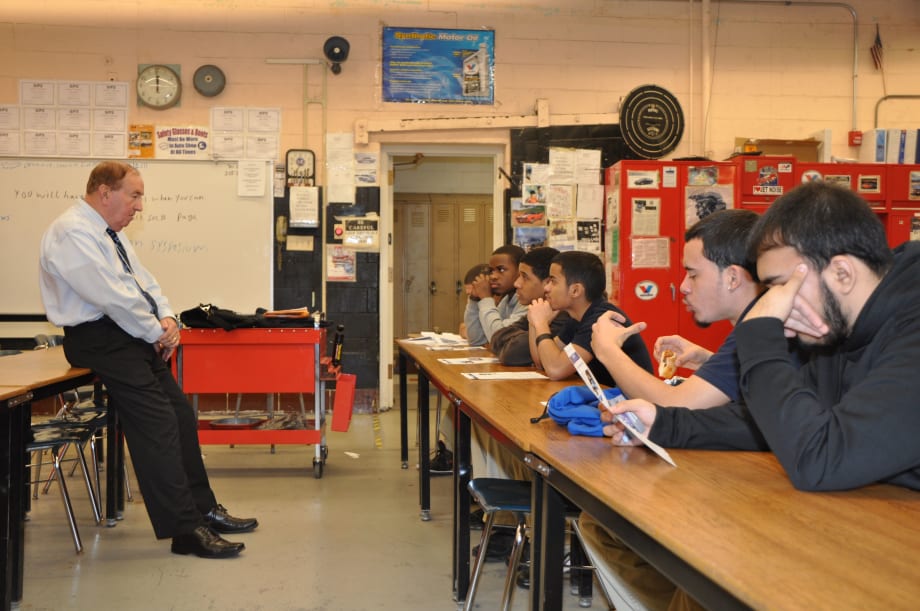
Jim Barnshaw, a former mechanic, electrician, foreman and rail shop director at SEPTA, speaks to students at Philadelphia’s Mastbaum Vocational High School about jobs at the agency.
Jim Barnshaw, a former mechanic, electrician, foreman and rail shop director at SEPTA, speaks to students at Philadelphia’s Mastbaum Vocational High School about jobs at the agency.
Jobs in the transportation industry can be highly specialized, requiring employees to have very specific training and numerous certifications. How can transit organizations ensure that the workers they are hiring are well-prepared for open positions? Why not partner with technical schools to collaborate on curriculum and create a pipeline of qualified job candidates?
For years, Southeastern Pennsylvania Transportation Authority (SEPTA) has collaborated with adult education institutions in the agency’s service area to help produce graduates that are not only ready to join the workforce in entry level positions, but are prepared for long, successful careers in their fields of choice. From campus recruitment visits to pre-employment testing and mentoring, SEPTA's aggressive education outreach efforts are designed to make it an "employer of choice" for qualified students.
RELATED: "Workforce Development: Who Will Run Transit Tomorrow?"
A key aspect of SEPTA's recruitment initiatives is curriculum review.
"We share students' pre-employment test results with schools so that the instructors can make adjustments to their coursework that will better prepare students," said Dan Dandrea, SEPTA's manager of recruitment. "We are also constantly reviewing curricula for new schools and programs to determine if coursework is relevant to our hiring needs."
Currently, SEPTA representatives serve on the curriculum advisory boards of eight adult education institutions.
SEPTA's efforts have been a success. “Our representation on the curriculum advisory boards has produced changes to the coursework at many of the schools, making the students’ skill sets more relevant for SEPTA’s entry level technical positions,” said Dandrea. “This has resulted in a significant benefit to our workforce, as in the past two years almost 90 technical school graduates have joined the authority as third class bus mechanics, signal trainees and power department trainees.”
The positive results are due to the commitment of SEPTA employee Jim Barnshaw. A former mechanic, electrician, foreman and rail shop director, Barnshaw works with approximately 50 trade schools, coordinating training and education programs that help “steer” students toward their goals of careers in mechanical fields.
“Jim’s experience in our shops has been invaluable to our recruitment endeavors,” said Dandrea. “He understands the expertise our employees need, not only to obtain jobs, but also to advance in their positions at SEPTA.” Barnshaw’s work has earned him industry recognition.
In addition to prepping post-secondary students, SEPTA has an internship program for Philadelphia high school students who are enrolled in mechanical or electrical programs.
“Each summer, we hire 10 to 15 students to work with our rail and bus mechanics and electricians,” said Dandrea. “By mentoring and training students before they graduate from high school, we are putting them on track for long-term career success, hopefully at SEPTA.”
Looking for a job in transit or interested in posting a job, visit METRO's Transit Job Finder.
In case you missed it...
Read our METRO blog, "How safety programs can help transit meet budget challenges"
More Blog Posts
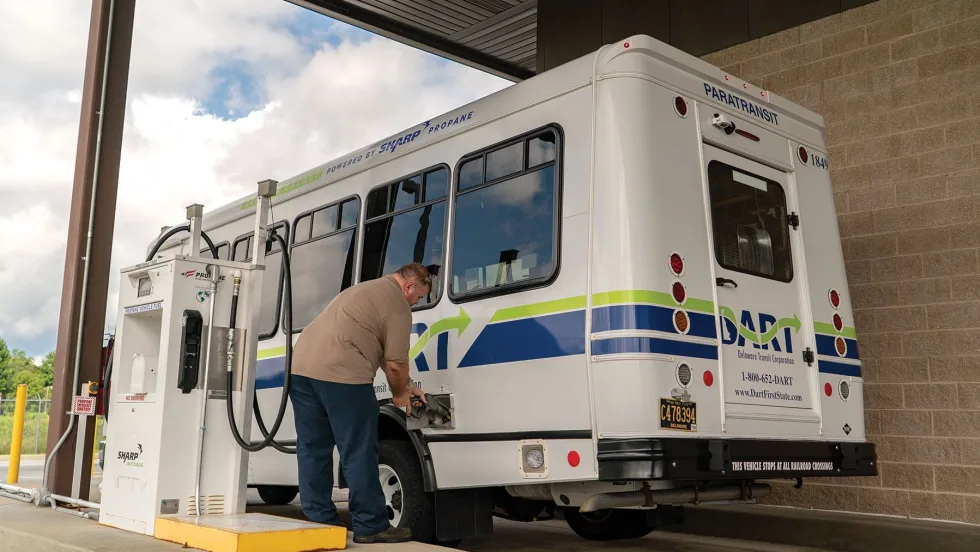
Building a Winning FTA Grant Proposal: Why Propane Autogas is the Pragmatic Choice for Fleet Resilience
With $610 million available through the FY 2026 Buses and Bus Facilities Competitive Program and the Low or No Emission Grant Program, agencies must build a compelling case before the September 21 deadline that balances environmental compliance with operational feasibility.
Read More →
Velo-city Conference 2026: Latest Trends in Cycling as Part of Urban Mobility
The global cycling conference highlighted how cities are integrating bicycles into multimodal transportation networks, expanding cycle tourism and reshaping urban mobility.
Read More →
Kindness Isn’t Soft...It’s Strategic.
Mike Bismeyer — often known as “The Kindness Guy” — has spent more than 17 years in public transit and mobility, serving in industry leadership roles, speaking across North America, and advocating for stronger workplace cultures. But his message doesn’t come from theory. It comes from lived experience.
Read More →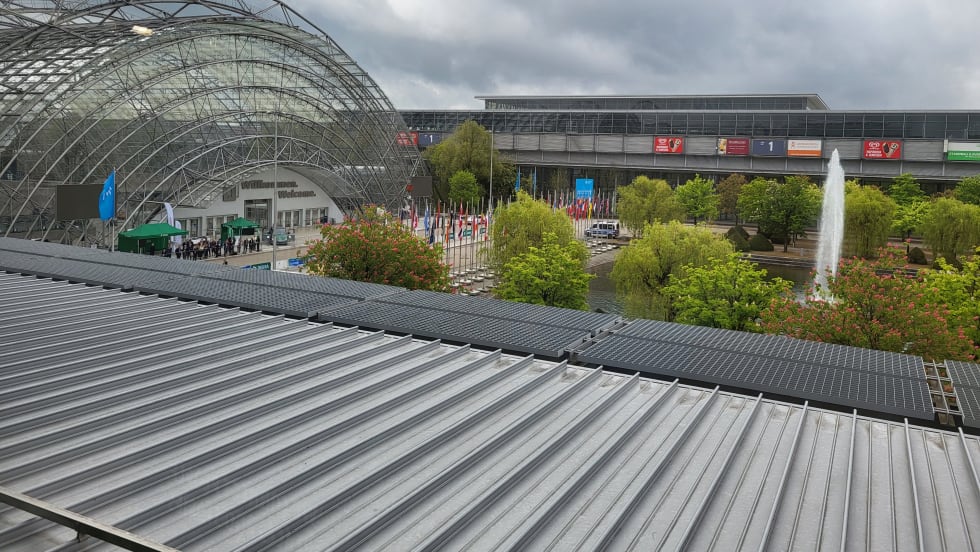
Inside ITF 2026: Transport Reacts to A Challenging World
Transport leaders from around the world gathered in Leipzig, Germany, for the 2026 International Transport Forum to discuss resilience, climate impacts, supply chains and the future of sustainable mobility.
Read More →
Every Ride Tells a Story — But You’re Not Just Selling the Ride
You’re selling the moment, the meaning, and the emotion behind it.
Read More →
How Digital Signage is Reshaping the Traveler Experience at Transportation Hubs
What was once a landscape of static signs has evolved into a responsive, immersive environment powered by real-time visual communication.
Read More →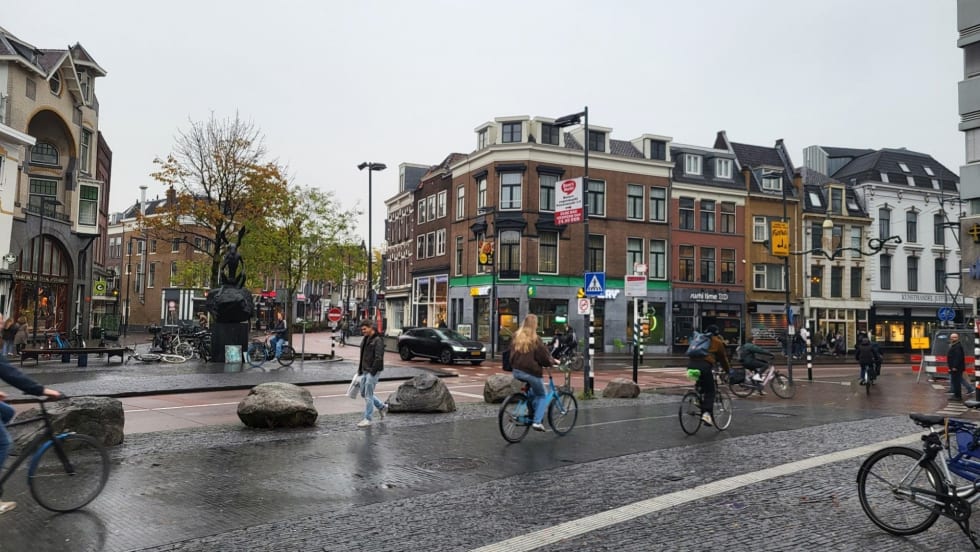
Latest Trends in Urban Mobility from Polis Conference 2025
Polis comprises cities and regions, as well as corporate partners, from across Europe, promoting the development and implementation of sustainable mobility. This year’s event had over a thousand attendees across various policy forums and an exhibition.
Read More →
Why Transit Leaders Require Better Tools for Operational Clarity In Today’s Tech-Fragmented Environment
Across North America and beyond, transit agency officials are contending with a perfect storm of operational headaches and strategic challenges that hamper daily service and long-term progress.
Read More →
The Powerless Brokers: Why California Can’t Build Transit
It is no secret that transit in the U.S. is slow and expensive to build.
Read More →
Why Transport Sustainability Should Focus on People Instead of Cars
Simply incentivizing electrification is not enough to make a meaningful impact; we must shift our focus toward prioritizing public transportation and infrastructure.
Read More →