
Metro Magazine

 MENU
MENU SEARCHMENUSEARCH
The agency and HNTB Corp. were recognized for their work on the area along the Norristown High Speed Line between Roberts Road and Garrett Hill Stations that shifted as a result of the Philadelphia region being deluged with almost 30 inches of rain during a 45-day period in August and September 2011.
Read More →
Transit agencies across the country are discovering that passengers want to pay for fares the same way they pay for everything else — with their own bank cards or smartphones.
Read More →Want outside rearview mirrors repositioned, saying they create a blind spot that endangers pedestrians. While agency officials agree that mirrors can create temporary blind spots, they have resisted refitting them, saying that could cause other safety issues.
Read More →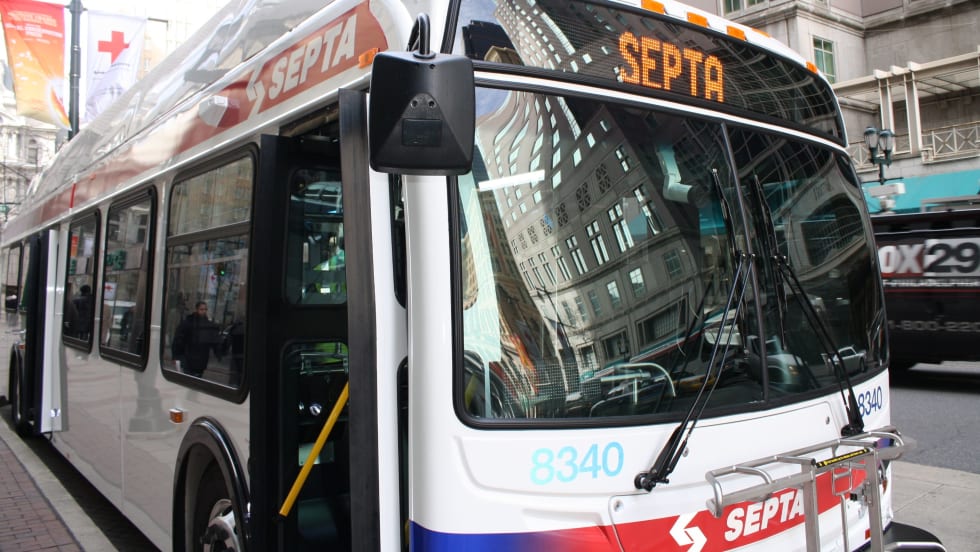
This is the third year of SEPTA’s formal Sustainability Program and its pursuit of a "triple bottom-line" strategy: becoming environmentally, socially and economically sustainable. The agency’s Sustainability Annual Report demonstrates how previously untapped assets are making a difference in the agency’s daily operations.
Read More →SEPTA and other systems may get more funding than Gov. Tom Corbett called for in his budget plan. The plan would raise transit funding by $40 million in the first year.
Read More →Agency has seen more than 10% reductions in water and energy intensity. Work on the social goals has resulted in the hosting of four farmers markets on SEPTA property. Economically, sustainability efforts have helped control operating expenses.
Read More →Due to what it describes as long production delays and shoddy workmanship, the agency is considering terminating its $190 million contract for 75 commuter railcars from Hyundai Rotem Corp.
Read More →
In this age of smartphones, tablets, Twitter, Facebook and other social media, rapid transit has taken on a new meaning. Passengers not only want to get to their destinations fast, they want information about their trips in an instant. To answer customers’ demands of immediacy, transportation organizations across the country have taken to using a variety of methods to disseminate details as quickly as possible.
Read More →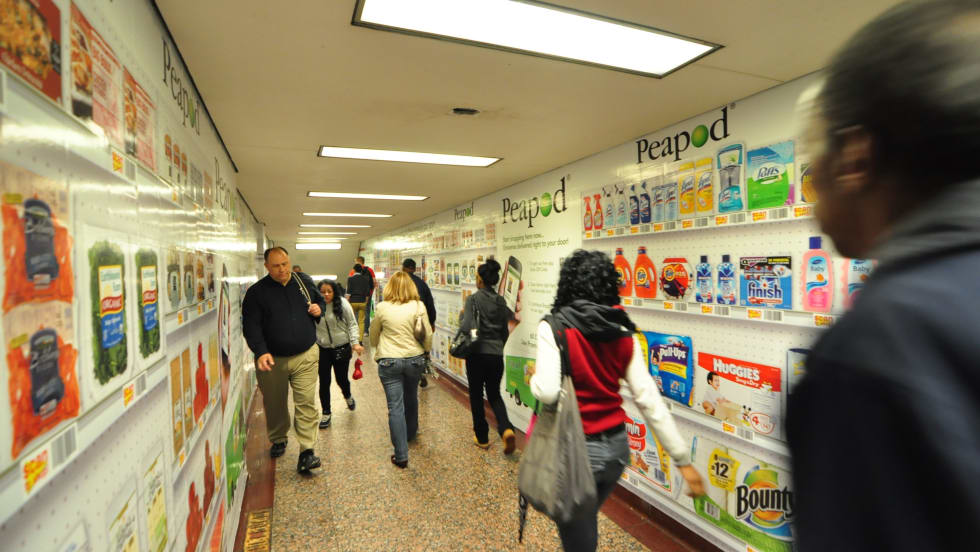
Agencies are looking beyond conventional ads and tapping new technology, such as virtual grocery stores, regenerative braking and Groupon, to bring in more funds.
Read More →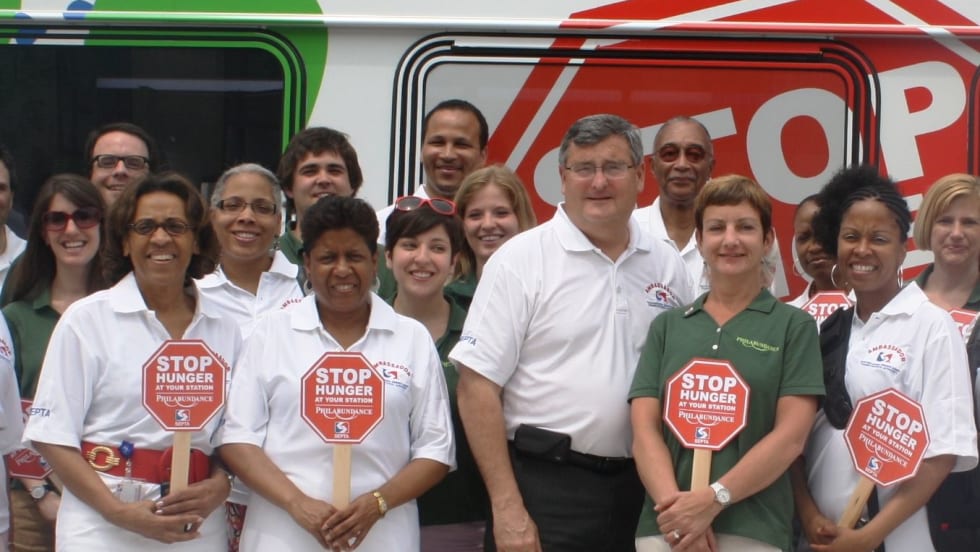
As public service institutions, transit organizations’ involvement in their communities should extend beyond bus routes and train stations. SEPTA demonstrates good citizenship collectively as an organization and through its employees’ individual community service activities.
Read More →