



Community involvement: Not just for the holiday season
As public service institutions, transit organizations’ involvement in their communities should extend beyond bus routes and train stations. SEPTA demonstrates good citizenship collectively as an organization and through its employees’ individual community service activities.

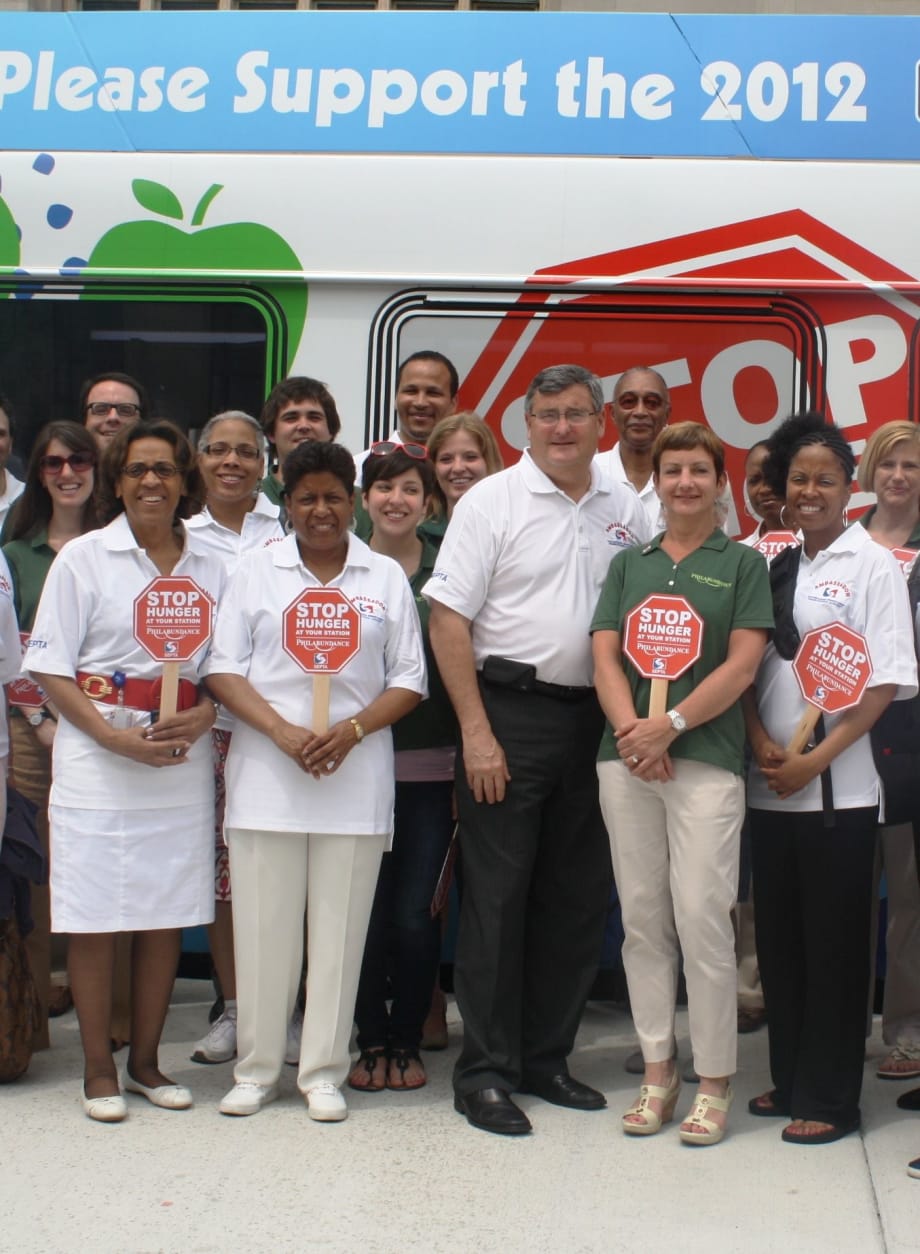
GM Joe Casey (center) kicked off SEPTA’s 2012 food drive to benefit Philabundance. Since 2009, the agency has collected over 65 tons of food during the month-long drive. Casey is the driving force behind the event.

As public service institutions, transit organizations’ involvement in their communities should extend beyond bus routes and train stations. Organizations must practice social responsibility through service activities — not only during the holiday season when many are filled with “peace, love and goodwill toward others,” but throughout the year, too.
Southeastern Pennsylvania Transportation Authority (SEPTA) demonstrates good citizenship collectively as an organization and through its employees’ individual community service activities. From an annual summer food drive — which collected 19 tons of food in 2012 and more than 65 tons since 2009 — and the holiday employee toy drive, to increased efforts to bring more veterans into its workforce, SEPTA makes a difference in the Greater Philadelphia region.
Individually, many of SEPTA’s more than 9,000 employees participate in some volunteer endeavor — in their neighborhoods, athletic associations, places of worship and organizations like Habitat for Humanity. The commitment to help starts at the top of the agency, where SEPTA’s management leads by example.
“How can you ask your employees to give their time and contribute to causes if you aren’t willing to do the same?” asked SEPTA GM Joseph Casey, who holds leadership positions with several organizations, including the Transportation Learning Center board of directors (serving as treasurer this year) and the March of Dimes Transportation, Building & Construction Committee board. He is also the driving force behind SEPTA’s participation with the “Stop Hunger at Your Station” Food Drive for Philabundance and Philadelphia Mayor Michael Nutter’s annual “Philly Spring Clean-Up.”
“We can all make excuses for how busy we are, but there is always time to help our neighbors and charitable causes in some way,” Casey added.

One group that has been the recipient of SEPTA’s long-term support is the March of Dimes - Pennsylvania Chapter Southeast Division, specifically their Transportation, Building & Construction Awards luncheon. The agency’s Deputy GM, Jeff Knueppel, is in his second year chairing the event, which is the largest special event in the state of Pennsylvania.
Many people get involved with organizations because the cause hits a personal note — this is how Knueppel explains his work with the March of Dimes.
“I have been concerned about issues the March of Dimes works for for many years and have a sincere desire to help however I can,” he said. “I started out as a regular member of their board, but I knew I could do more and wanted to make more of a difference.”
In his first year as the luncheon chair, Knueppel helped the March of Dimes raise $314,000, well over the goal of $280,000.
“Jeff is a valuable member of our volunteer leadership,” said Alexis Dowhie Moyer, the March of Dimes’ senior community director. “We rely a lot on our volunteers and Jeff truly has made his mark on this event and continues to do so.”

Like Knueppel, SEPTA Assistant GM, Human Resources, Susan Van Buren also donates her time and expertise to organizations she believes in, like the United Way. Now finishing her term as a member of the United Way’s board, Van Buren also worked for that institution while in college.
“I was an administrative assistant and I fielded calls from people who needed basic necessities, food and shelter. As a kid from the suburbs, I hadn’t dealt with those issues before,” she said.
Throughout her career, Van Buren has led United Way annual giving campaigns for her employers and currently serves on the organization’s Human Resources Advisory Committee. For her work in that role, Van Buren was honored by the United Way.
Despite the success of current initiatives, SEPTA leadership knows there is always room for growth.
“We have to make an investment in our communities,” said Van Buren. “We should never stop looking for ways to help. We can always do more.”
In case you missed it...
Read our METRO blog, "'Putting a different spin on transit ads" here.
More Blog Posts
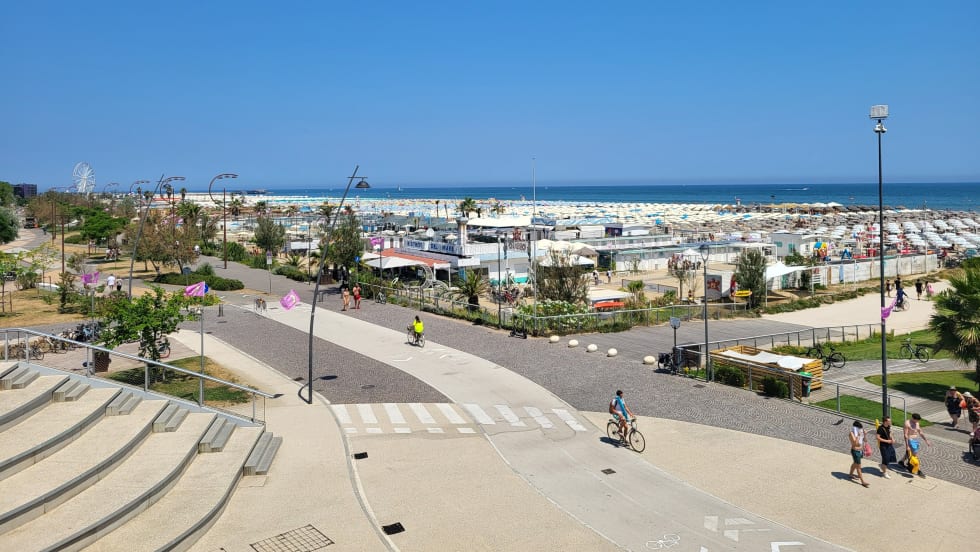
Velo-city Conference 2026: Latest Trends in Cycling as Part of Urban Mobility
The global cycling conference highlighted how cities are integrating bicycles into multimodal transportation networks, expanding cycle tourism and reshaping urban mobility.
Read More →
Kindness Isn’t Soft...It’s Strategic.
Mike Bismeyer — often known as “The Kindness Guy” — has spent more than 17 years in public transit and mobility, serving in industry leadership roles, speaking across North America, and advocating for stronger workplace cultures. But his message doesn’t come from theory. It comes from lived experience.
Read More →
Inside ITF 2026: Transport Reacts to A Challenging World
Transport leaders from around the world gathered in Leipzig, Germany, for the 2026 International Transport Forum to discuss resilience, climate impacts, supply chains and the future of sustainable mobility.
Read More →
Every Ride Tells a Story — But You’re Not Just Selling the Ride
You’re selling the moment, the meaning, and the emotion behind it.
Read More →
How Digital Signage is Reshaping the Traveler Experience at Transportation Hubs
What was once a landscape of static signs has evolved into a responsive, immersive environment powered by real-time visual communication.
Read More →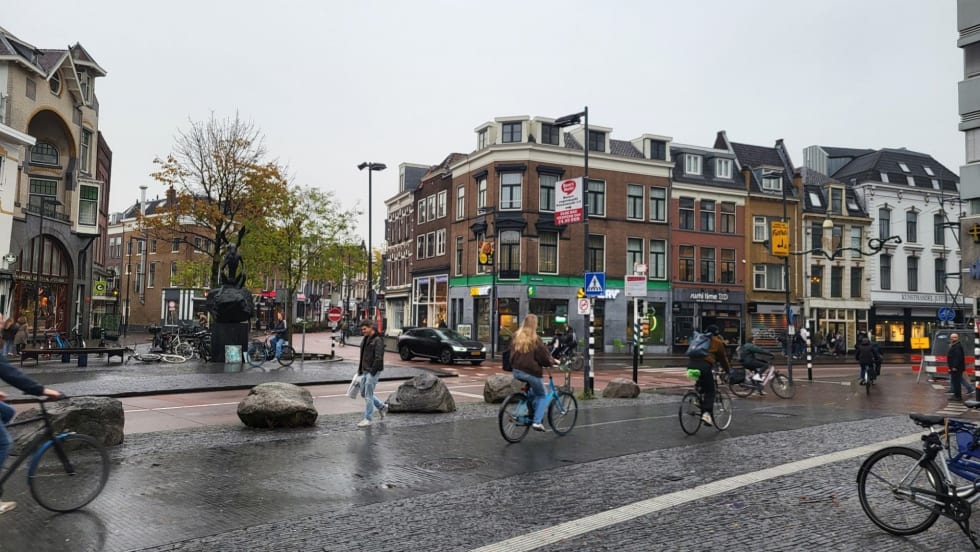
Latest Trends in Urban Mobility from Polis Conference 2025
Polis comprises cities and regions, as well as corporate partners, from across Europe, promoting the development and implementation of sustainable mobility. This year’s event had over a thousand attendees across various policy forums and an exhibition.
Read More →
Why Transit Leaders Require Better Tools for Operational Clarity In Today’s Tech-Fragmented Environment
Across North America and beyond, transit agency officials are contending with a perfect storm of operational headaches and strategic challenges that hamper daily service and long-term progress.
Read More →
The Powerless Brokers: Why California Can’t Build Transit
It is no secret that transit in the U.S. is slow and expensive to build.
Read More →
Why Transport Sustainability Should Focus on People Instead of Cars
Simply incentivizing electrification is not enough to make a meaningful impact; we must shift our focus toward prioritizing public transportation and infrastructure.
Read More →
Transit ROI & System Efficiencies Will Drive 'Big, Beautiful' Transit Funding
For many years, the narrative surrounding public transit improvements has been heavily weighted toward environmental gains and carbon reduction. While these are undeniably crucial long-term benefits, the immediate focus of this new funding environment is firmly on demonstrable system efficiencies and a clear return on investment.
Read More →