



SEPTA releases annual sustainability report
Agency has seen more than 10% reductions in water and energy intensity. Work on the social goals has resulted in the hosting of four farmers markets on SEPTA property. Economically, sustainability efforts have helped control operating expenses.

Southeastern Pennsylvania Transportation Authority (SEPTA) released its Sustainability Annual Report, which details the agency's progress on its efforts to pursue a "triple bottom-line" strategy to become environmentally, socially and economically sustainable.
For SEPTA, 2013 marks the third year of a formalized Sustainability Program. In 2011, when the SEPTA Board adopted its first-ever Sustainability Plan, it introduced the concept of the triple bottom-line to the organization.
Last year, SEPTA put this comprehensive planning framework into action. What emerged were innovative strategies to capture wasted resources and put them back into productive use in a way that added environmental, social, and economic value. Untapped assets were discovered in a variety of forms:
• Energy created by braking trains now being captured and reused at a power substation.
• Landfilled waste now being recycled through a single-stream, source-separated recycling program.
• Unused real estate now being cultivated into a self-sustaining urban farm.
The results of these efforts are shown in a number of areas. Four of 12 sustainability performance targets are already achieved each of the triple-bottom-line focuses. On the environmental end, SEPTA has seen more than 10% reductions in water and energy intensity. Work on the social goals has resulted in the hosting of four farmers markets on SEPTA property. Economically, sustainability efforts have helped control operating expenses.
"This report represents our appraisal of progress to-date, and goals for the year to come," said SEPTA GM Joseph M. Casey. "It also reinforces SEPTA's steadfast commitment to continual improvement, and ongoing effort to become a constructive force in regional sustainability."
SEPTA's Sustainability Program embraces continual improvement, and the notion that performance enhancements can only be sustained by constantly reevaluating progress over time. While funding challenges continue to constrain levels of capital investment, the results of the first two years of the Sustainability Program have demonstrated that opportunities still exist to advance projects that add value to SEPTA and its region.
More Bus
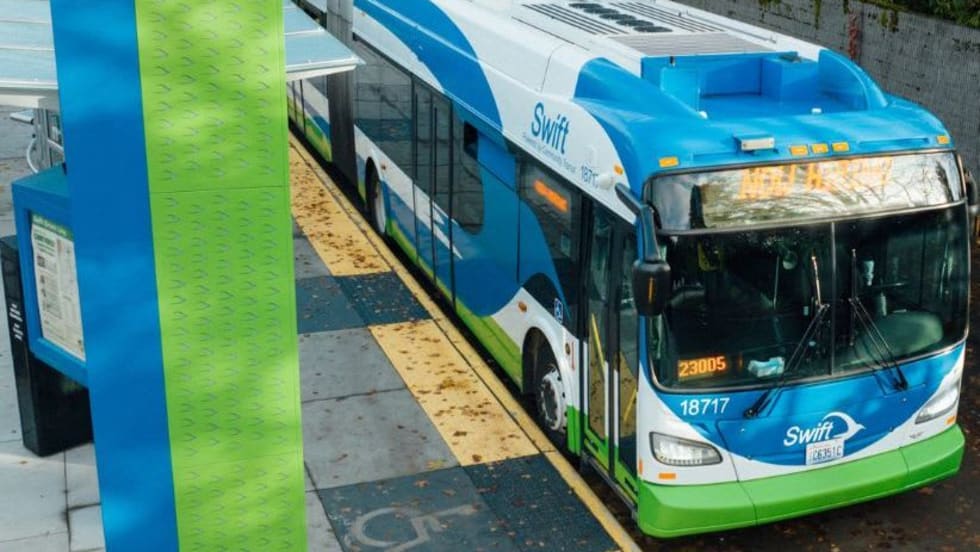
Washington's Community Transit Sets Six-Year Roadmap for Growth, Expansion
Approved TDP targets more bus service, new mobility options, Swift BRT expansion, and a potential Everett Transit annexation.
Read More →
DART Customer Satisfaction Reaches Six-Year High
Overall satisfaction rose to 74.9%, while the agency’s Net Promoter Score reached a record 33.7.
Read More →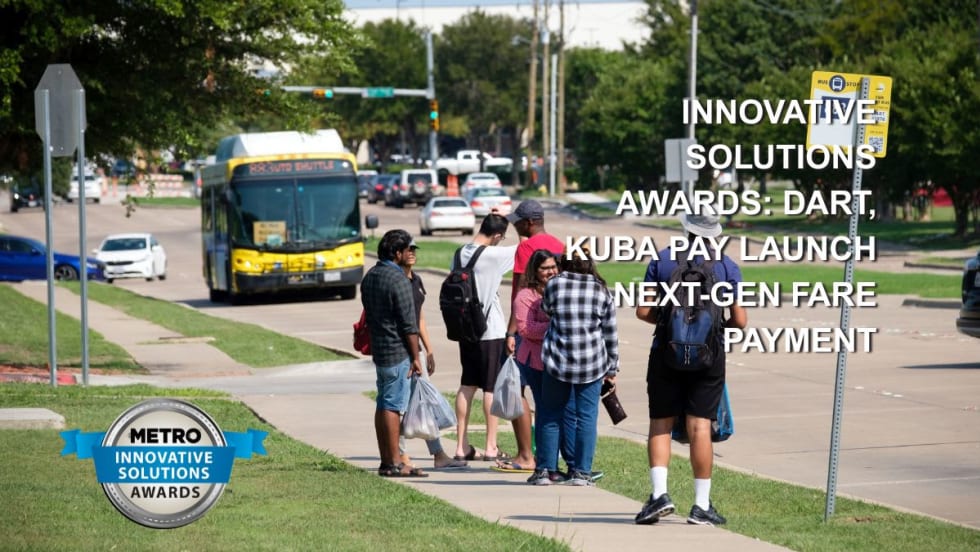
How DART's GoPass Is Redefining Regional Mobility
Serving 14 transit agencies, GoPass simplifies multimodal travel by allowing riders to plan, pay for, and manage an entire trip through one app.
Read More →
Biz Briefs: OCTA Taps Clean Energy for Hydrogen Station, Stadler to Supply Via Rail Vehicles, and More
From manufacturers and suppliers to transit agencies and motorcoach operators, these updates offer a snapshot of the projects, partnerships and business moves driving the industry forward.
Read More →
METRO Magazine Announces 2026 Innovative Solutions Awards Winners
Projects Recognized for Advancing Mobility Through Technology, Accessibility, Workforce Innovation, and Operational Excellence
Read More →
Biz Briefs: STV teams with Amtrak, Motorcoach Operators Boost Fleet and Land Contracts, and More
From manufacturers and suppliers to transit agencies and motorcoach operators, these updates offer a snapshot of the projects, partnerships and business moves driving the industry forward.
Read More →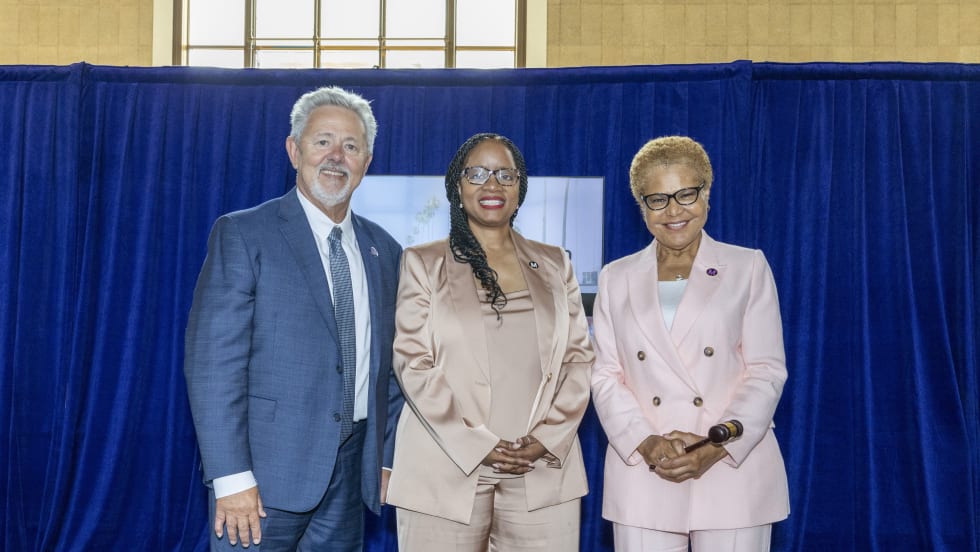
LA Metro Marks Banner Year, Sets Ambitious Goals for New Fiscal Year
Incoming LA Metro Board Chair and Los Angeles Mayor Karen Bass joined outgoing Board Chair Fernando Dutra and LA Metro CEO Stephanie Wiggins to review accomplishments from fiscal year 2026, which included the opening of new rail extensions, advancement of major transit projects, expanded safety programs, and new rider amenities.
Read More →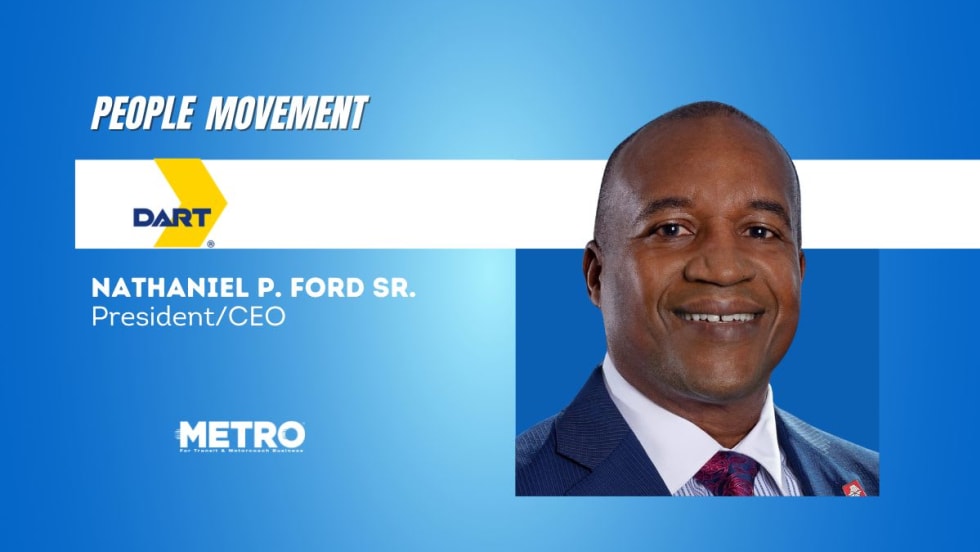
DART Taps Nathaniel P. Ford Sr. as Next President/CEO
Since 2012, Ford has served as the CEO of the Jacksonville Transportation Authority
Read More →
AC Transit’s Cecil Blandon on Building the Next Generation of Transit Maintenance Leaders
The agency’s maintenance chief discusses leadership, workforce development, zero-emission technology, and preparing technicians for the future of public transportation.
Read More →
Building the Next Generation of Transit Technology
In this edition of METROspectives, Luminator CEO Magnus Friberg discusses the company's transformation, the growing role of AI and software, and what's next for transit technology.
Read More →