
Metro Magazine

 MENU
 SEARCHMENUSEARCH
Loading data...
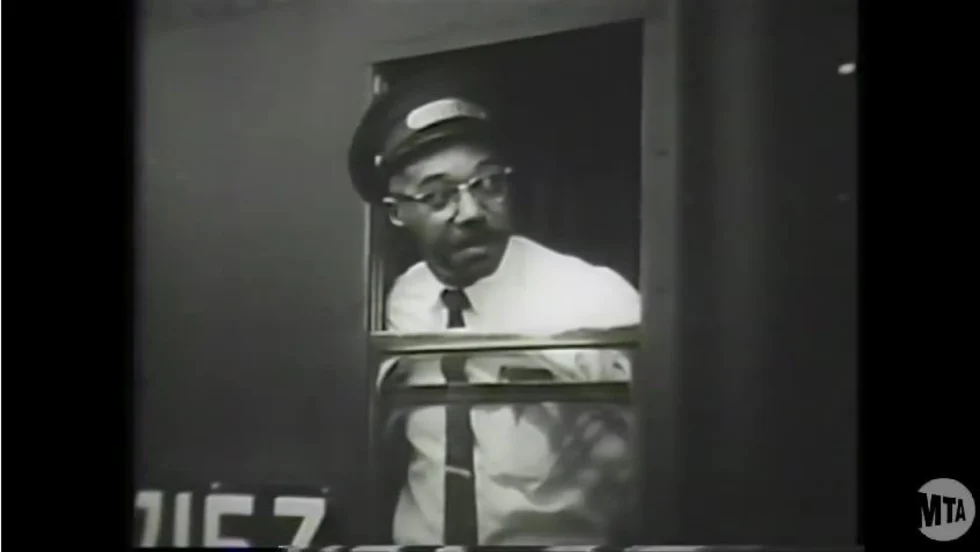
From the New York Transit Museum archives, Daily Miracle (Part 2 of 3), is a 1961 documentary about a day in the life of NYC's transit system.
Read More →




While transit agency partnerships with other public agencies have resulted in increased ridership, revenue and service, some have also actively entered partnerships with private entities with similar results.
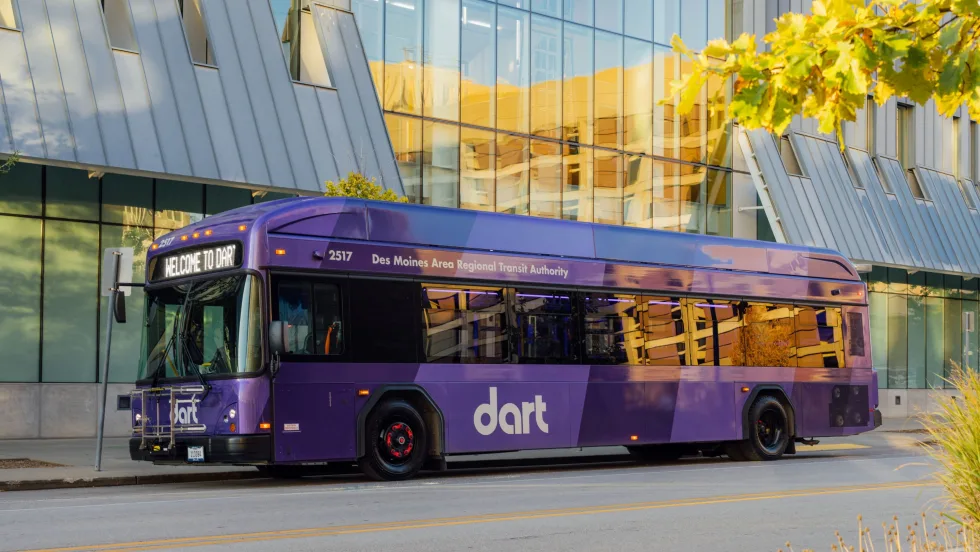
Read More →The new network reflects extensive input from riders and the community through Reimagine DART on what matters most in public transit — and those priorities are reflected in the changes ahead.
Read More →Everywhere, evidence reveals how we’re moving into a less-consumptive, sharing-based society. Whether it’s people’s homes, torrent files or a car ride downtown, sharing is in. As environmentally conscious and economically prudent reducers and re-users, millennials are choosing non-traditional forms of transportation. This behavior has already had a huge impact on the way the transit industry is planning for its future.
Read More →Eric Reese discusses how interoperability, open architecture, and modular design can help transit agencies control costs, reduce vendor lock-in, and upgrade technology without starting over.
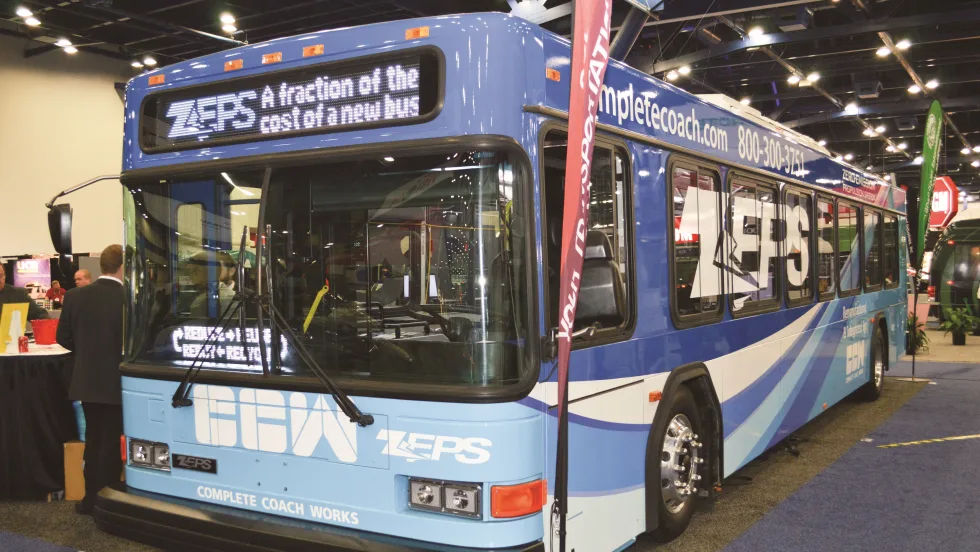
Read More →CCW’s all-electric transit bus powered by Zero Emission Propulsion System (ZEPS) uses advanced lithium-ion batteries and a liquid-cooled drive system to provide fuel and maintenance cost savings.
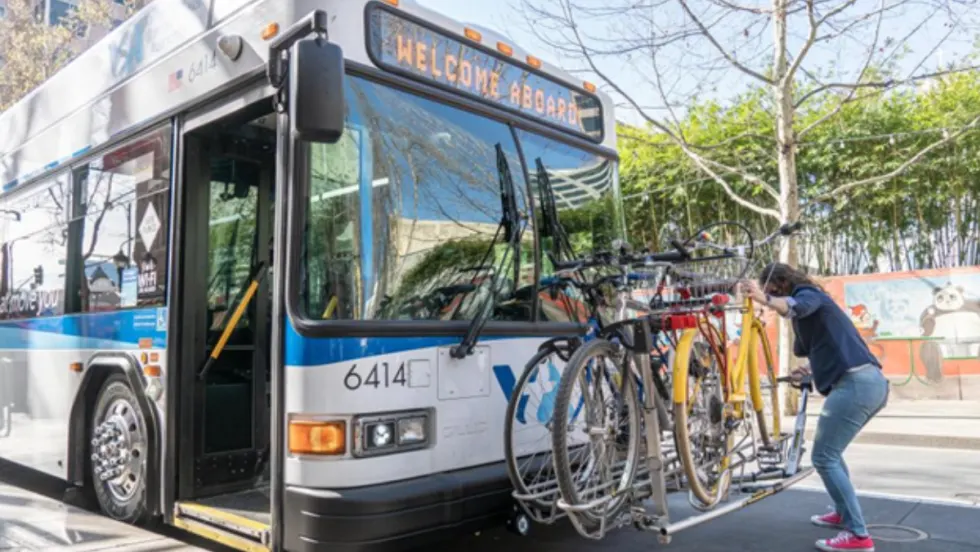
Read More →See how bike-on-bus data is giving transit agencies new insight into rider demand, capacity constraints, and gaps in first- and last-mile connections.
Read More →Authorities also limited car use for public employees, closed 360 parking lots, and reduced construction work on government-funded projects.
Read More →The Metropolitan Atlanta Rapid Transit Authority reported a big rush hour jump in passengers on its northern rail lines Monday morning, up 50% to 73% as many commuters sought to avoid the highways altogether.
Read More →The THUD appropriations bill educes total funding for public transportation by $457 million compared to the FY 2019 enacted levels.
Read More →