



How Will the Sharing Economy Affect Public Transit?
Everywhere, evidence reveals how we’re moving into a less-consumptive, sharing-based society. Whether it’s people’s homes, torrent files or a car ride downtown, sharing is in. As environmentally conscious and economically prudent reducers and re-users, millennials are choosing non-traditional forms of transportation. This behavior has already had a huge impact on the way the transit industry is planning for its future.

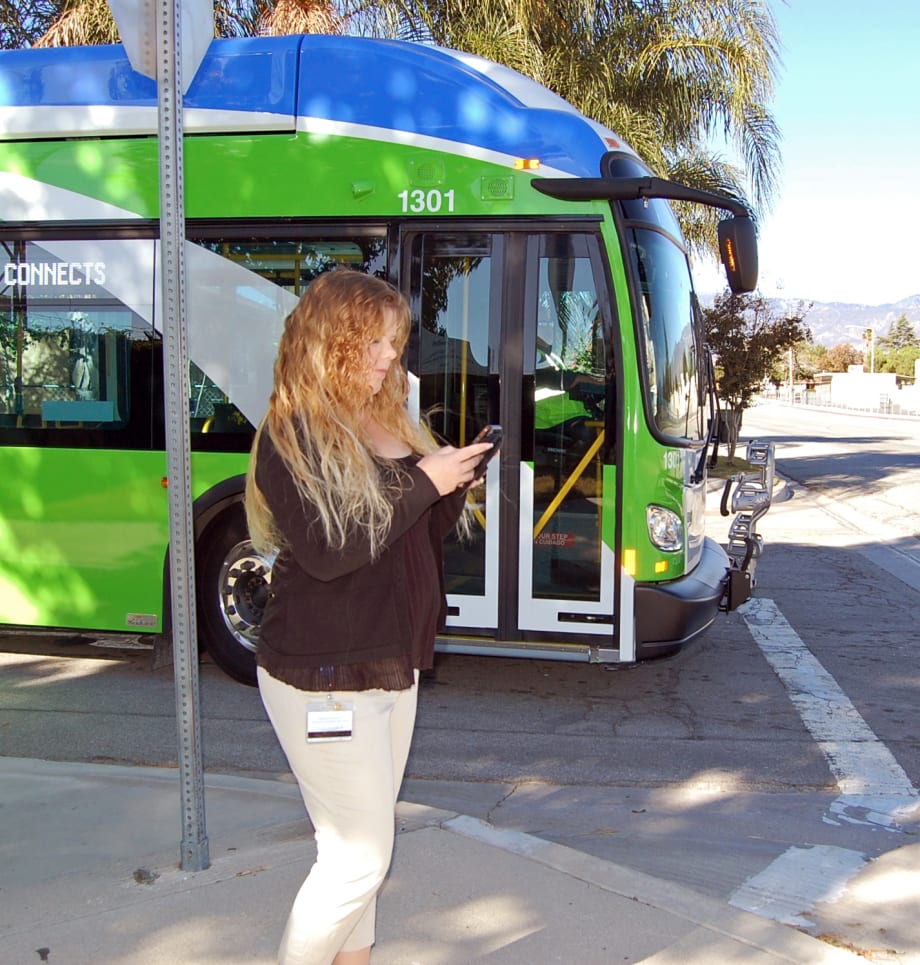
Omnitrans
Omnitrans
Everywhere, evidence reveals how we’re moving into a less-consumptive, sharing-based society. Whether it’s people’s homes, torrent files or a car ride downtown, sharing is in. As environmentally conscious and economically prudent reducers and re-users, millennials are choosing non-traditional forms of transportation. This behavior has already had a huge impact on the way the transit industry is planning for its future. But the move away from vehicle ownership, taxi services and reliance upon public transit isn’t simply due to the affordability of new transportation technologies and ride hailing companies. It’s also due to the many added benefits and tools that technology provides to the average rider.
Statistics Reveal Growing Reliance Upon Mobile
According to The Pew Research Center, in 2014, 83% of millennials owned a smartphone and 98% owned a cellphone. Judging by the presence of Pokémon Go, it might seem that these statistics are underinflated, to say the least. The fact is, a great deal of information is currently being shared between mobile users. Social media sites such as Instagram and Twitter have become a major source of relevant, up-to-the minute, local and international news updates. What this suggests is that sharing isn’t just about transportation or pirated music, but also about sharing information in the form of alerts and updates to enhance both convenience and safety.
How Seriously do Millennials Rely Upon Technology?
Between social media updates, real time texting and live streaming, your riders will come to expect a high level of service when it comes to public transit. Since mobile technology is already the main point of contact between riders themselves, it’s not a difficult leap to the conclusion that it will also serve to connect you to your riders. Consider the ease with which you can communicate issues, provide schedule updates, bus arrival times, stop locations and more. Consider how quickly a rider will decide upon taking a bus over pushing a button to hail a ride. Can your riders pay for their fares as easily as they can pay for a cup of coffee? These decisions are made in a split-second and the winning choice is usually the one that provides the fastest answer. Consider how quickly you can reply to a call for “Where’s my bus.”
So What can Transit Do to Address the Future?
Depending upon when you’re reading this blog, you may already be in the future, for all I know. Hopefully, you’ve come to the conclusion that providing riders with passenger information systems for real-time updates and bus schedule information is the optimal choice for your agency. Sharing culture teaches us is that riders demand a high level of predictable, reliable and convenient service. But when it comes to affordability, public transit has always been the desired option. So in order to increase ridership, it’s really a matter of being able to provide the same level of service as ride hailing options, while keeping costs low.
The future may very well be a balanced combination of a variety of transportation options. But what is certain is that all transit agencies are going to need to address their technology demands now to be prepared for the long-term goals of their communities. If you’re reading this 10 years in the future, it may already be too late. But there’s no time like the present to consider the community transportation software solutions of tomorrow.
Waylen Miki is a content marketing specialist working at TripSpark Technologies, a community transportation software vendor.
More Blog Posts
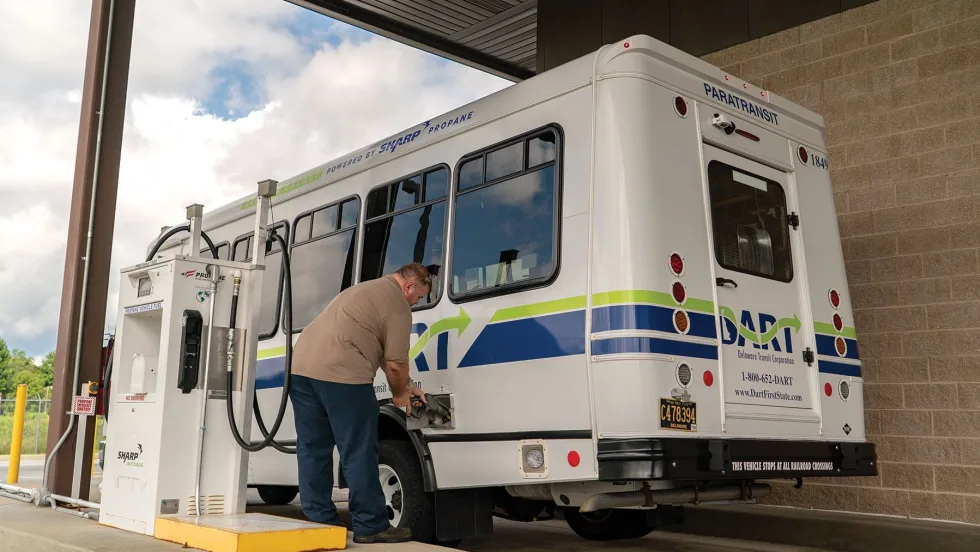
Building a Winning FTA Grant Proposal: Why Propane Autogas is the Pragmatic Choice for Fleet Resilience
With $610 million available through the FY 2026 Buses and Bus Facilities Competitive Program and the Low or No Emission Grant Program, agencies must build a compelling case before the September 21 deadline that balances environmental compliance with operational feasibility.
Read More →
Velo-city Conference 2026: Latest Trends in Cycling as Part of Urban Mobility
The global cycling conference highlighted how cities are integrating bicycles into multimodal transportation networks, expanding cycle tourism and reshaping urban mobility.
Read More →
Kindness Isn’t Soft...It’s Strategic.
Mike Bismeyer — often known as “The Kindness Guy” — has spent more than 17 years in public transit and mobility, serving in industry leadership roles, speaking across North America, and advocating for stronger workplace cultures. But his message doesn’t come from theory. It comes from lived experience.
Read More →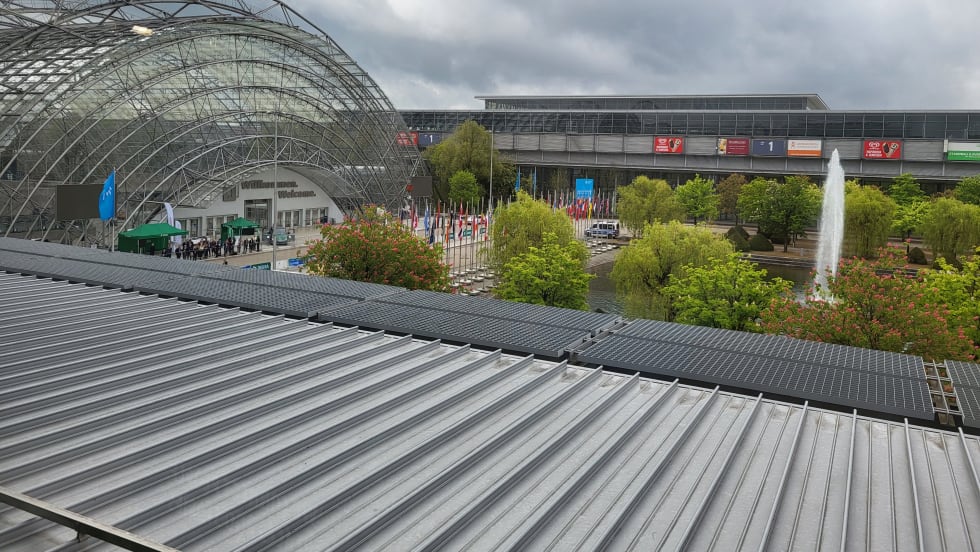
Inside ITF 2026: Transport Reacts to A Challenging World
Transport leaders from around the world gathered in Leipzig, Germany, for the 2026 International Transport Forum to discuss resilience, climate impacts, supply chains and the future of sustainable mobility.
Read More →
Every Ride Tells a Story — But You’re Not Just Selling the Ride
You’re selling the moment, the meaning, and the emotion behind it.
Read More →
How Digital Signage is Reshaping the Traveler Experience at Transportation Hubs
What was once a landscape of static signs has evolved into a responsive, immersive environment powered by real-time visual communication.
Read More →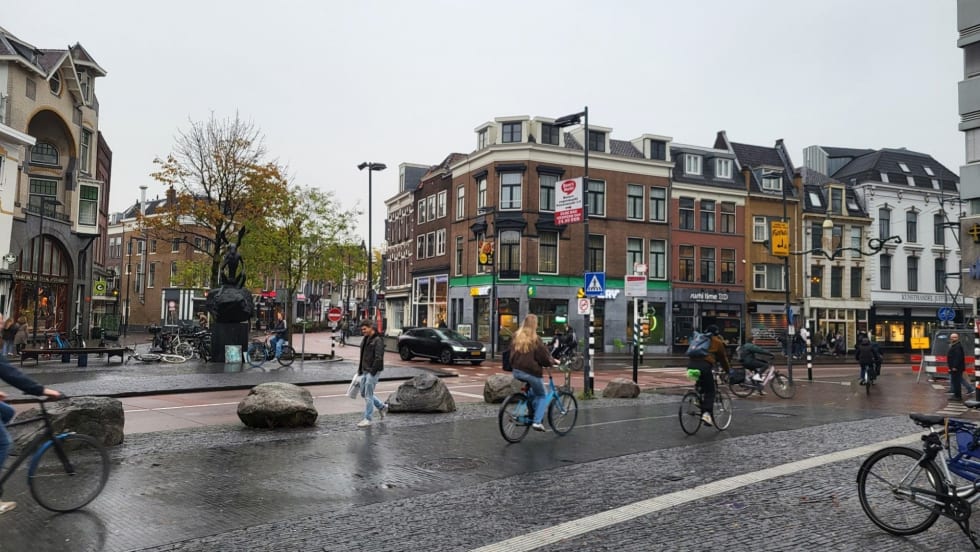
Latest Trends in Urban Mobility from Polis Conference 2025
Polis comprises cities and regions, as well as corporate partners, from across Europe, promoting the development and implementation of sustainable mobility. This year’s event had over a thousand attendees across various policy forums and an exhibition.
Read More →
Why Transit Leaders Require Better Tools for Operational Clarity In Today’s Tech-Fragmented Environment
Across North America and beyond, transit agency officials are contending with a perfect storm of operational headaches and strategic challenges that hamper daily service and long-term progress.
Read More →
The Powerless Brokers: Why California Can’t Build Transit
It is no secret that transit in the U.S. is slow and expensive to build.
Read More →
Why Transport Sustainability Should Focus on People Instead of Cars
Simply incentivizing electrification is not enough to make a meaningful impact; we must shift our focus toward prioritizing public transportation and infrastructure.
Read More →