
Metro Magazine

 MENU
MENU SEARCHMENUSEARCH
Loading data...
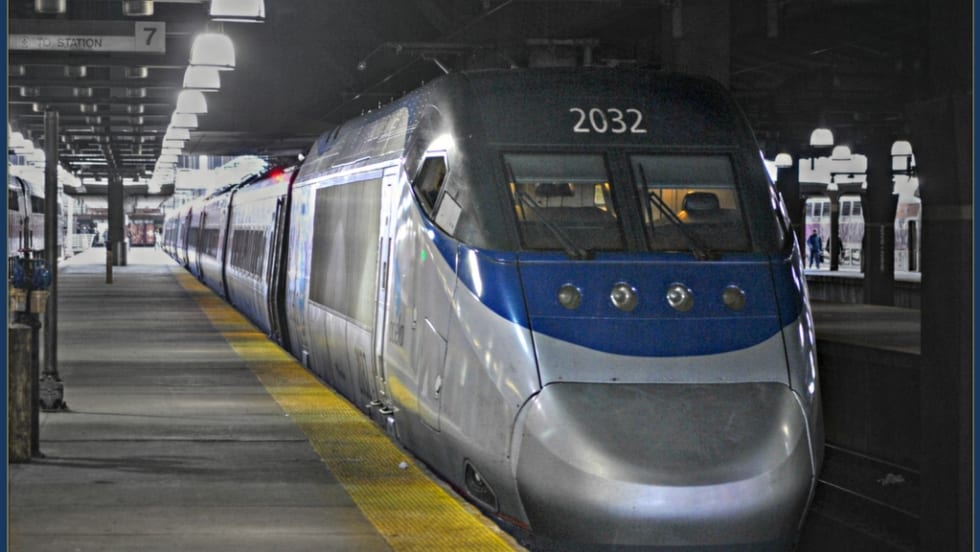
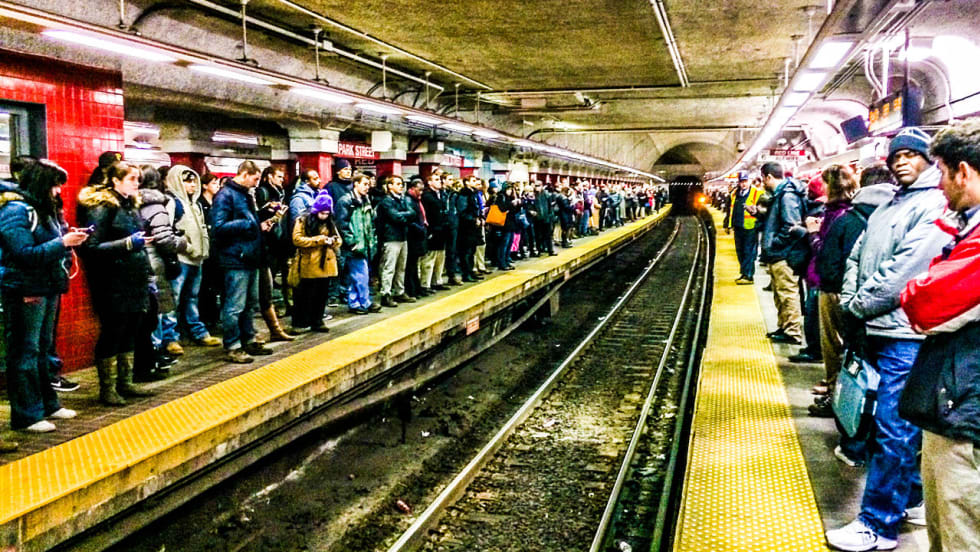
The accident was under investigation by local and state police, as well as Amtrak and MBTA Transit police. Foul play wasn't suspected.
Read More →
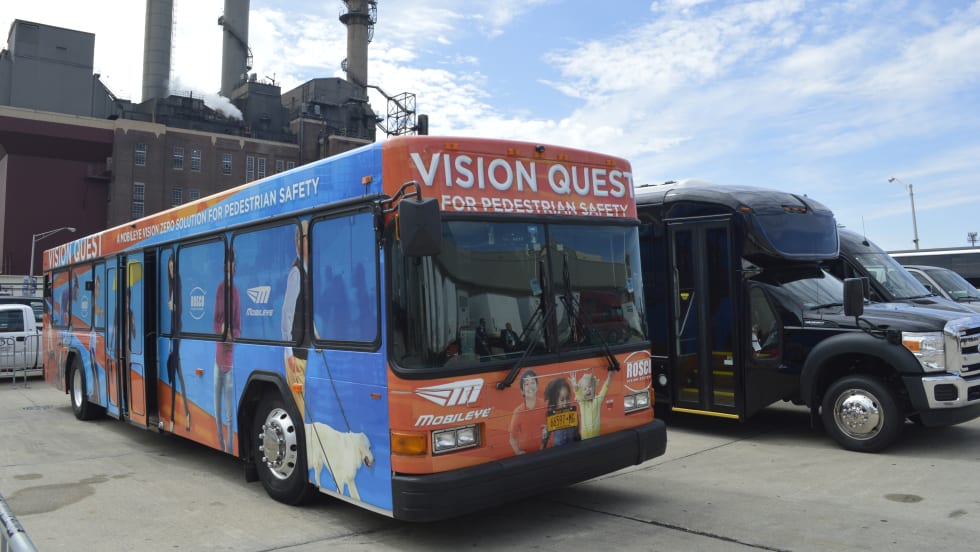
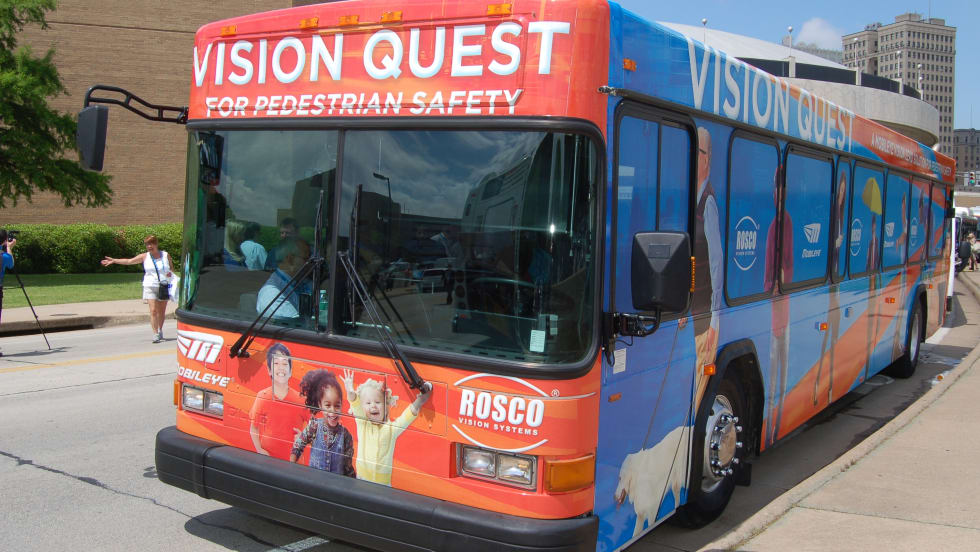
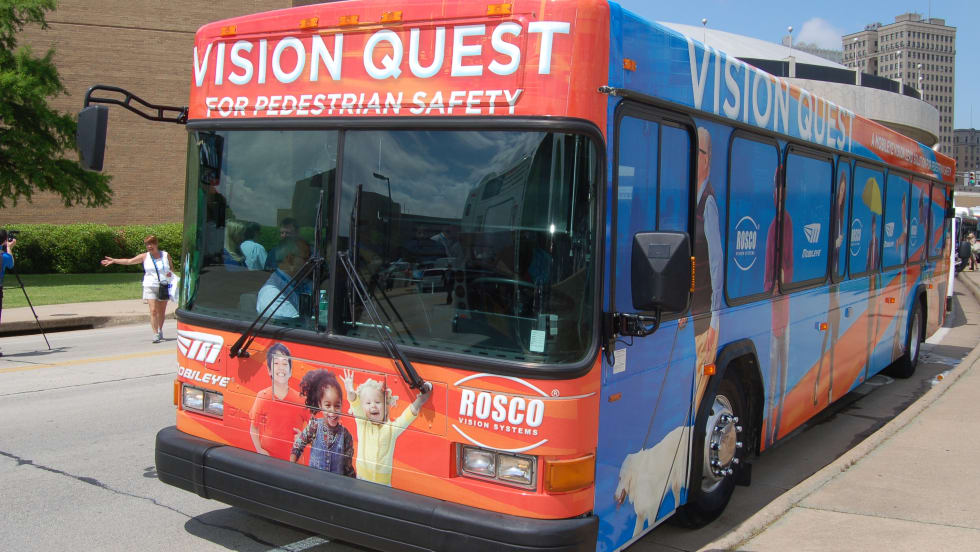
Operations have equipped 38 buses with the Mobileye Shield+ System, which combines multiple smart vision sensors manufactured by Mobileye with a driver interface manufactured by Rosco Vision Systems.
Read More →The Mobileye Shield+ System is a multi-vision-sensor system that uses algorithms to determine whether a pedestrian or bicyclist near the vehicle is a threat and alerts the driver with an audible and visual alert.
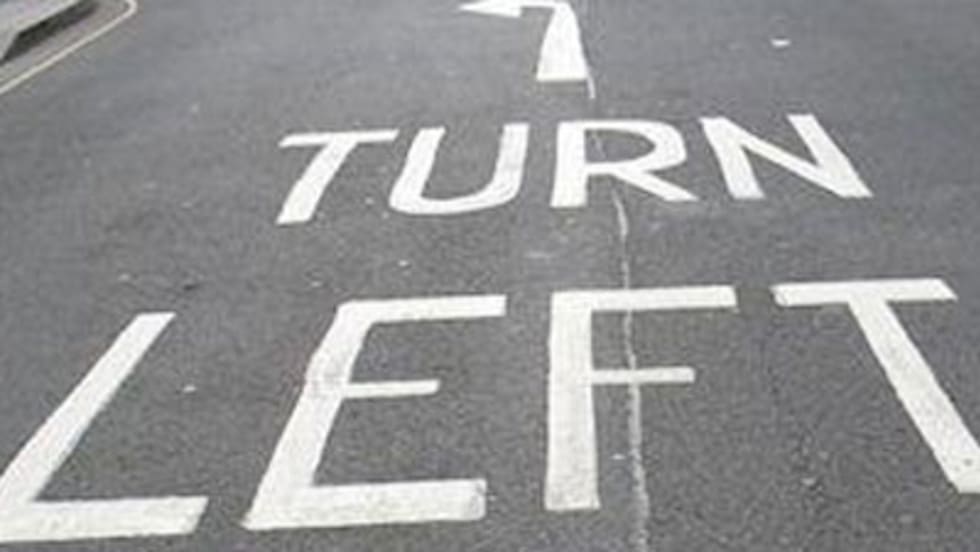
Read More →Bus operators are not blindfolded. Operators are trained and required to identify potential hazards, based on their forward planning skills. With regard to left turns, these so called “blind spots” are really areas behind the left A-pillar/mirror that are “temporarily” obstructed to the operator, not blind to the operator. The key here is for the operators to utilize their observation and forward planning skills to minimize the time that their vision is temporarily obstructed. The pedestrian that regrettably becomes a victim of bus contact should be in the clear view of the operator long before arriving at the location where the contact occurred. Pedestrians are not “coming out of nowhere!"
Read More →Transit system is working on two pilot projects. One with Clever Devices and another with Rosco Vision Systems.
Read More →The extra protection for drivers features cameras, which could be mounted inside and outside the bus. There are three displays — right, left and center — that alert a driver with sound and light to step on the brakes or turn.
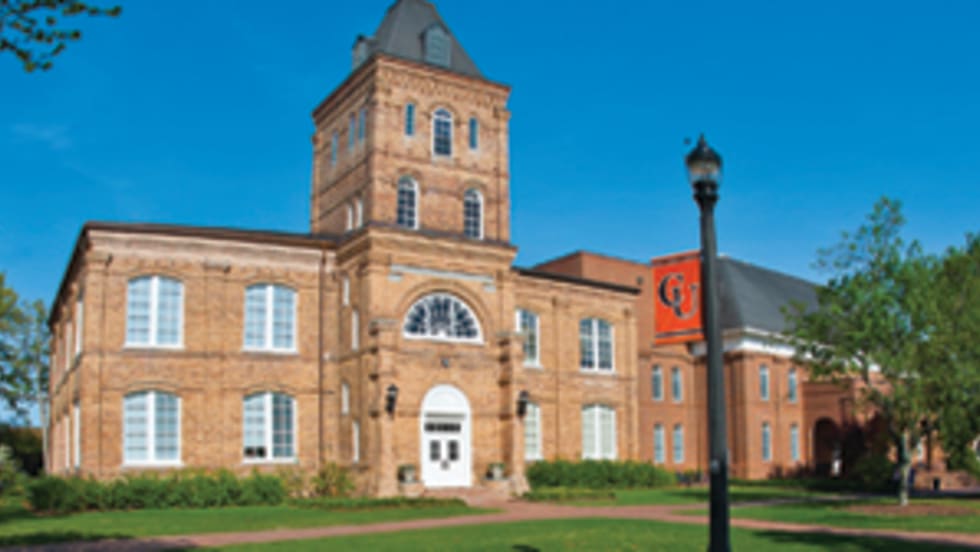
Read More →The tunnel will make it safer and easier for pedestrians to navigate Campbell University and the area around campus, including the football stadium
Read More →Fleet managers have installed the Mobileye® Collision Avoidance System in some of the world’s best-run fleets including cars, trucks, service vehicles and taxis, in both rural and urban environments. These global organizations have experienced significant reductions in incidents, collisions and associated costs. Your fleet can accomplish the same.
Read More →Suggestions include encouraging coordination and knowledge sharing among various specialists responsible for aspects of the passenger experience, including construction and emergency evacuations and routinely assessing assumptions used to estimate pedestrian volumes and pedestrian characteristics.
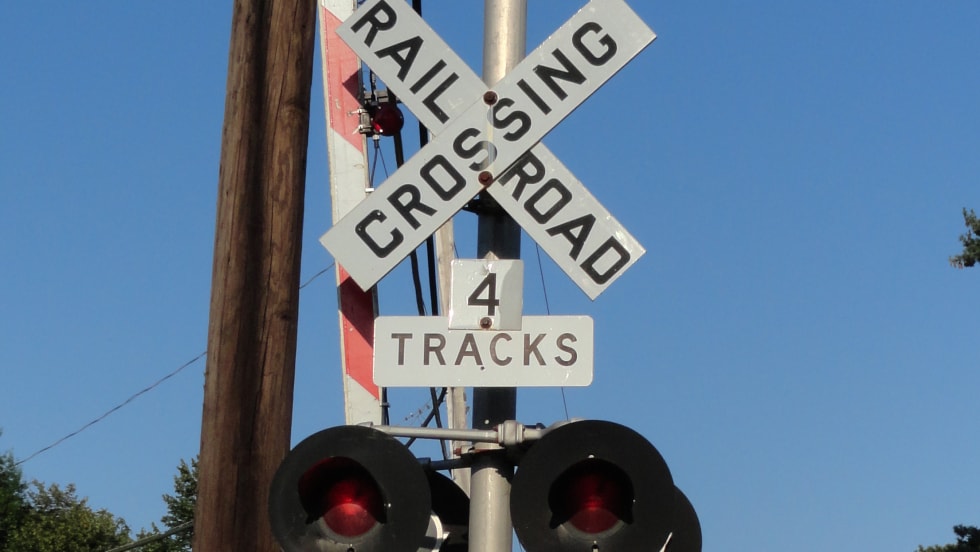
Read More →The first phase of the effort calls upon local law enforcement agencies to show a greater presence at grade crossings, issue citations to drivers that violate rules of the road at crossings and consider rapid implementation of best practices for grade crossing safety.
Read More →