
Metro Magazine

 MENU
MENU SEARCHMENUSEARCH
Loading data...
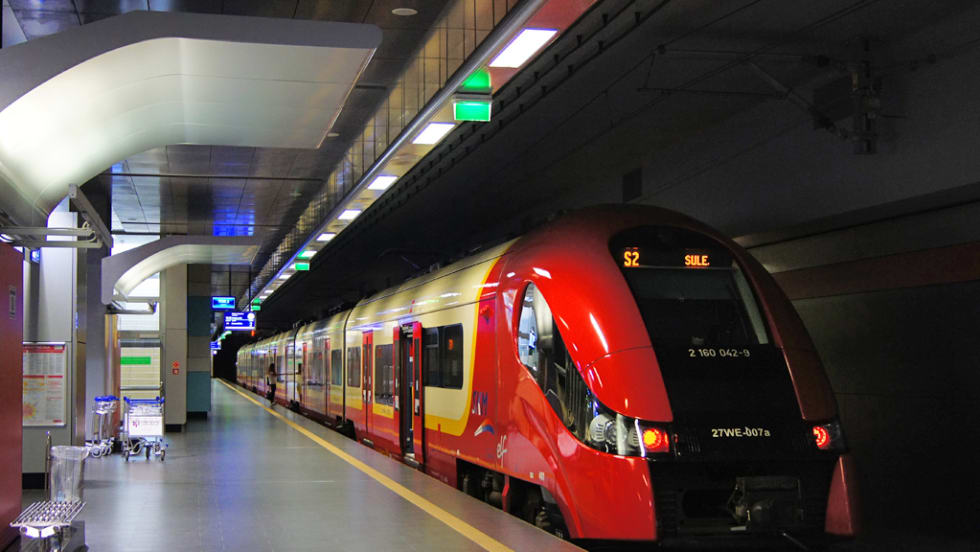
The priority for interconnection by rail is a particular public policy focus as this encourages alternative means of access to airports versus private car travel.
Read More →

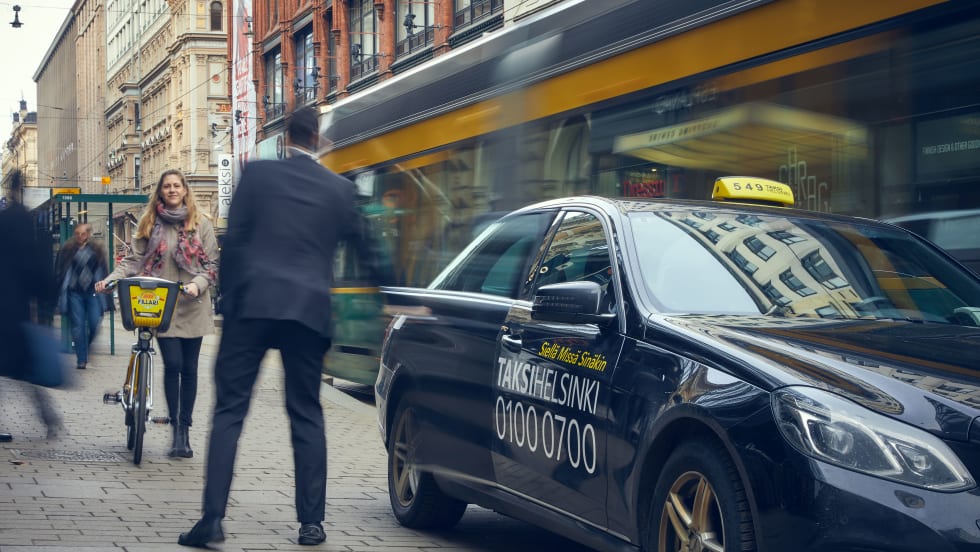
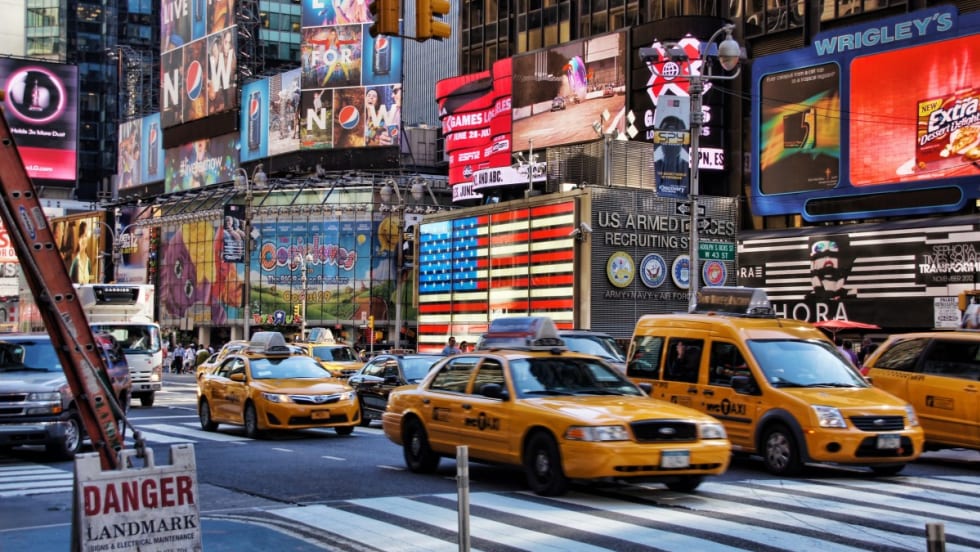

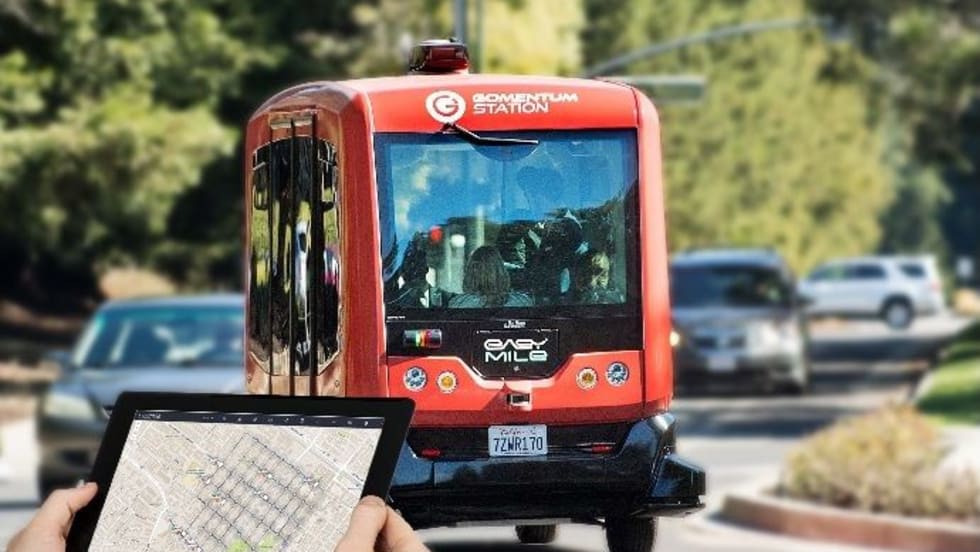
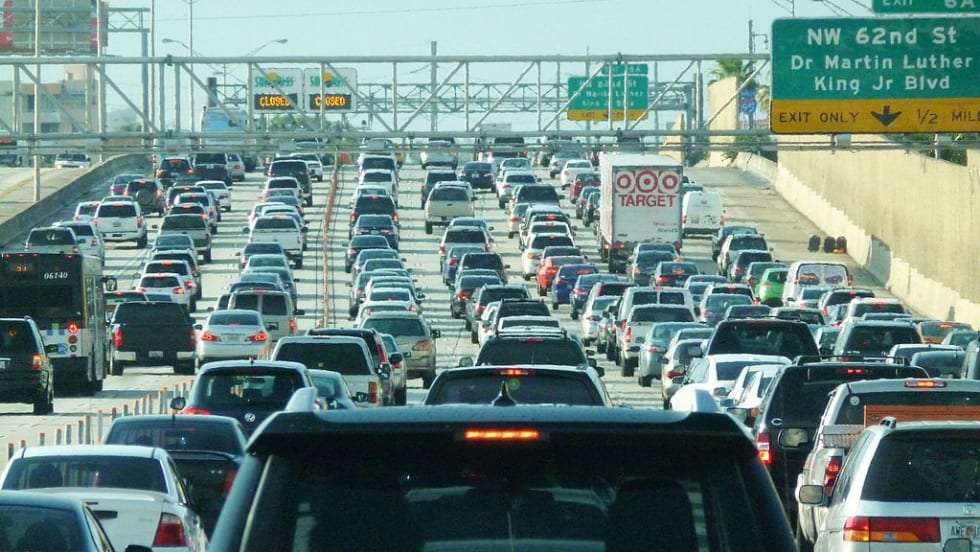
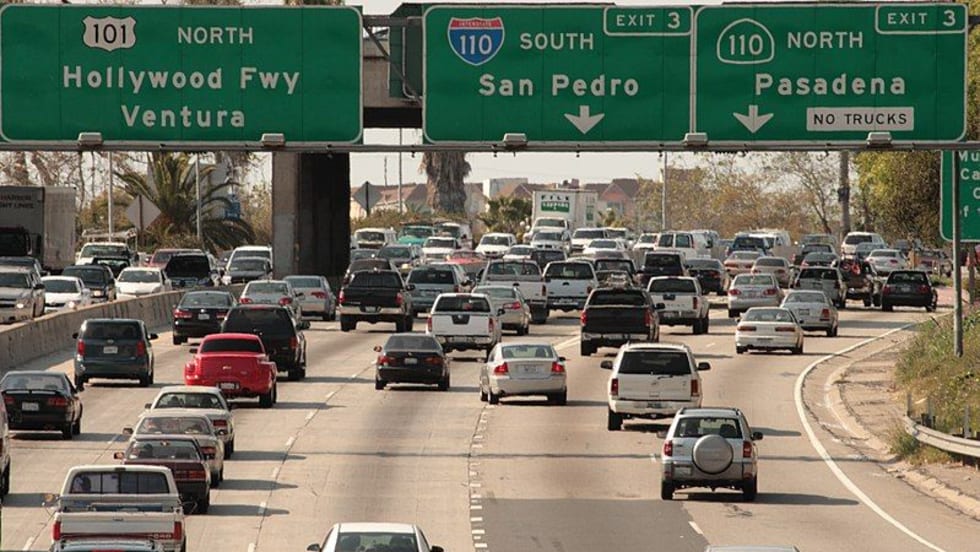
At just 26 minutes, San Diego was named as the U.S. city with the shortest average commute time.
Read More →Demo included traffic cones, barrels, arrow boards, construction, and inspection vehicles — all outfitted with new tech that can communicate with passing vehicles and traffic engineers
Read More →The single biggest driver of change in transportation in the coming years will undoubtedly be the impending climate catastrophe.
Read More →The agency's vision includes short-term enhancements to existing infrastructure, as well as traditional modes of mass transit.
Read More →By working in tandem, these elements will result in better public transportation infrastructure, more egalitarian access to transit options, affordable or free services, and a healthier environment.
Read More →Includes info on how all levels of government can work with PennDOT to implement innovations in their municipalities.
Read More →A recent headline in the Chicago Tribune read: “Driverless cars may make traffic worse, not better.”
Read More →Average U.S. driver faced a total driving cost of $10,288 in 2017 made up of direct (i.e. maintenance, fuel) and indirect/hidden (wasted time) costs.
Read More →L.A. drivers spent 102 peak hours in congestion in 2017, followed by Moscow (91 hours), New York (91 hours), San Francisco (79 hours) and Bogota (75 hours).
Read More →