
Metro Magazine

 MENU
 SEARCHMENUSEARCH
Loading data...

What has changed for agencies in the last two years? We asked transit leaders from across the U.S. about their latest workforce and ridership efforts.
Read More →


WSP USA's Jannet Walker-Ford discussed how transit agencies can engage with their communities to improve equity, improve ridership, and more.
Read More →The increase reflects more Americans choosing to take buses, subways, light rail, and other modes to travel to work, school, services, and weekend activities across the country and came as transit agencies better understood ridership needs following travel pattern changes during the pandemic.
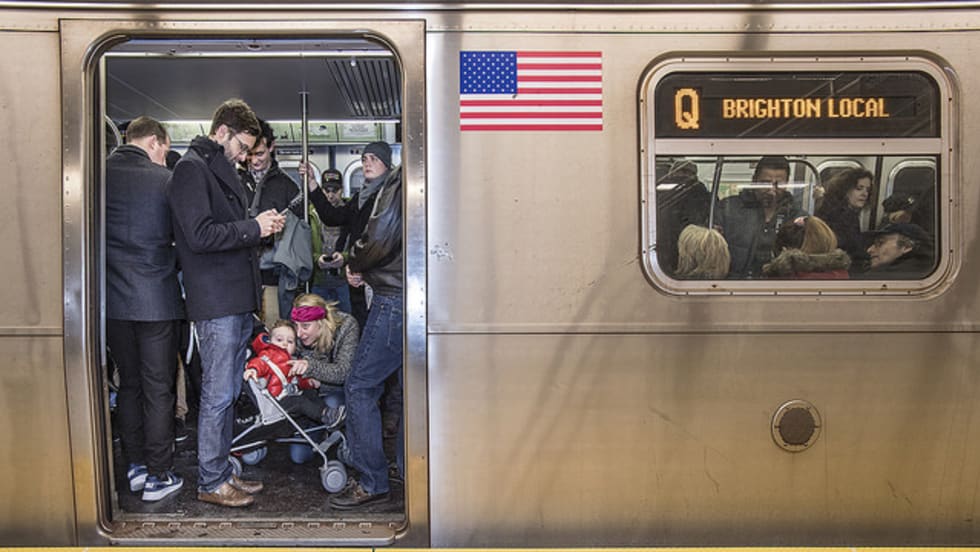
Read More →The ridership includes customers entering and leaving 72nd Street, 86th Street, and 96th Street, and the new entrance at 3rd Ave and 63rd Street as well as customers transferring from the F Subway line to Q Subway line at 63rd Street.
Read More →Ridership increased an average of 71% compared with the same period a year earlier during the fare-free pilot.
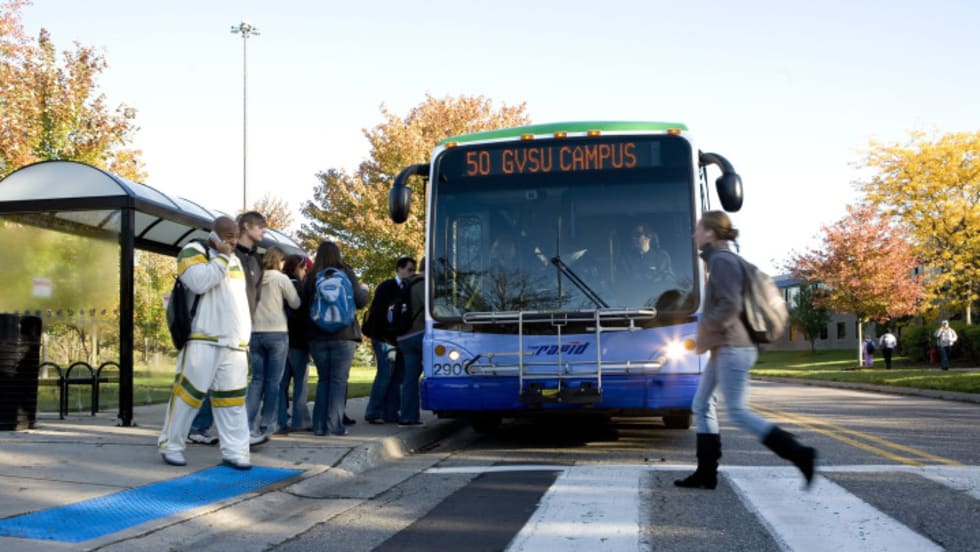
Read More →A total of 20 buses run five separate routes, every six minutes to seven minutes, both within and around the Allendale and Pew Grand Rapids campuses seven days a week.
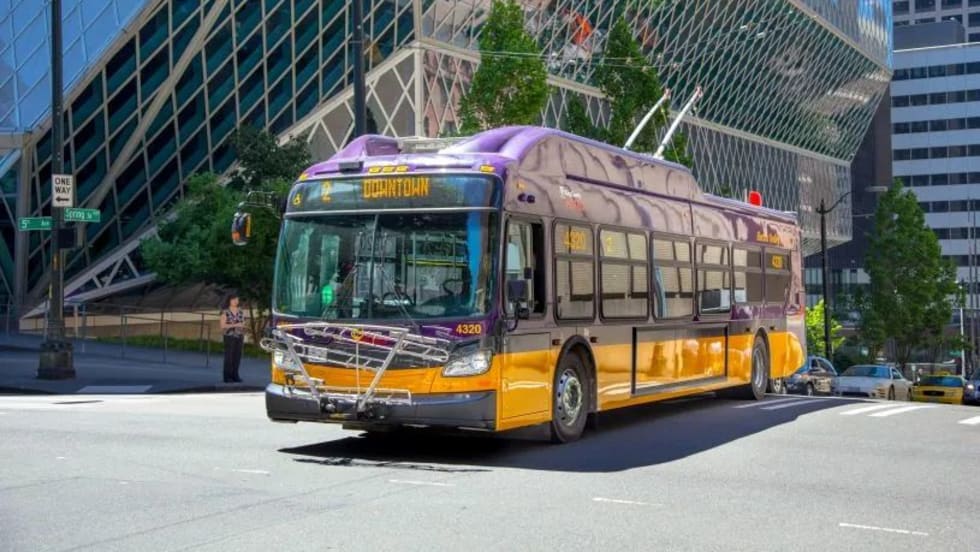
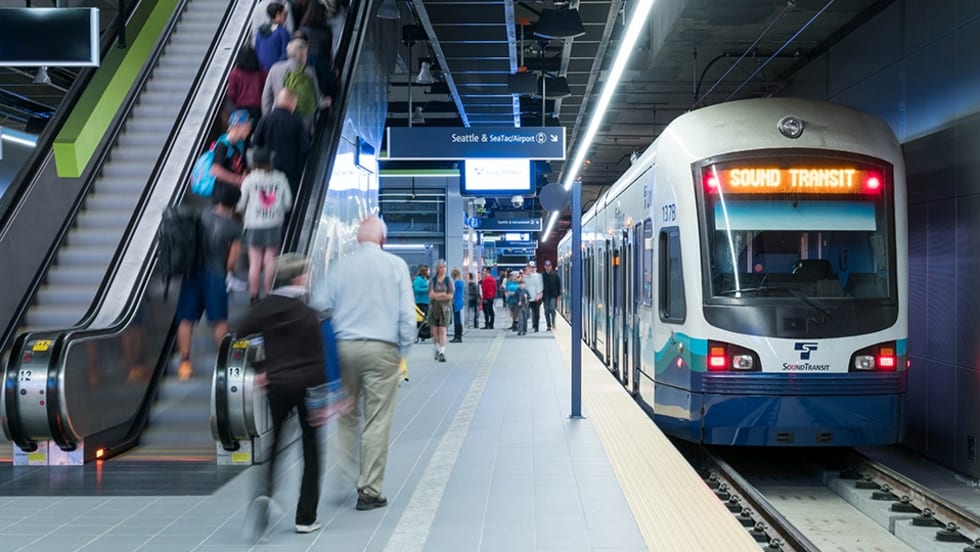
Read More →Following the 2016 openings of the University Link and Angle Lake light rail extensions, Link ridership jumped 69.3%, while Sounder commuter service increased by 5.7% and ST Express grew 2.7%.
Read More →Earlier this year, the transit agency, May Mobility, and the City of Tampa showcased autonomous vehicle technology on Downtown Tampa city streets.
Read More →Authors of “Public Transit's Impact on Rural and Small Towns” show that public transit's affordability and the demographic makeup of these areas combine to make public transit desirable for rural and small town populations.
Read More →Metro-North's 2022 ridership of 48.9 million was up 59% from 2021’s 30.8 million.
Read More →