
Metro Magazine

 MENU
MENU SEARCHMENUSEARCH
Loading data...
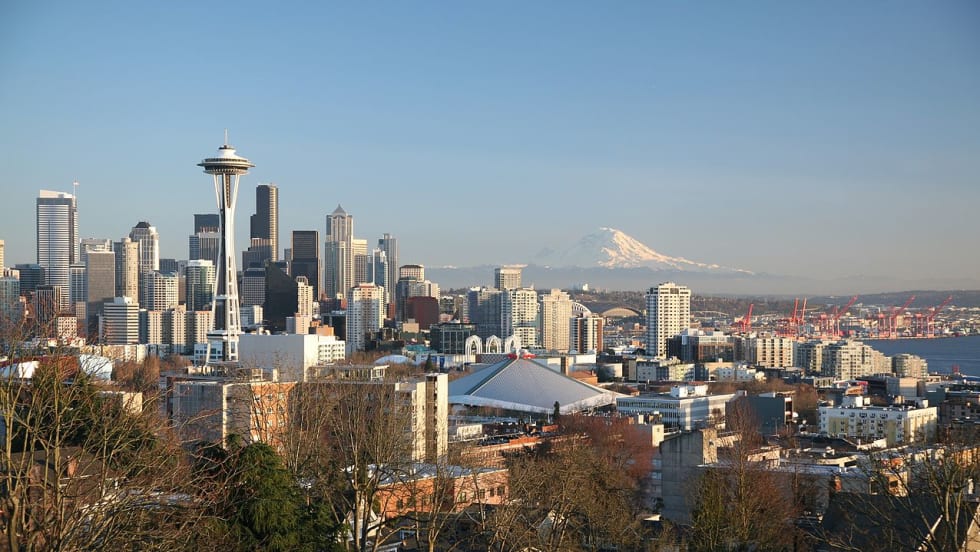
Operations have equipped 38 buses with the Mobileye Shield+ System, which combines multiple smart vision sensors manufactured by Mobileye with a driver interface manufactured by Rosco Vision Systems.
Read More →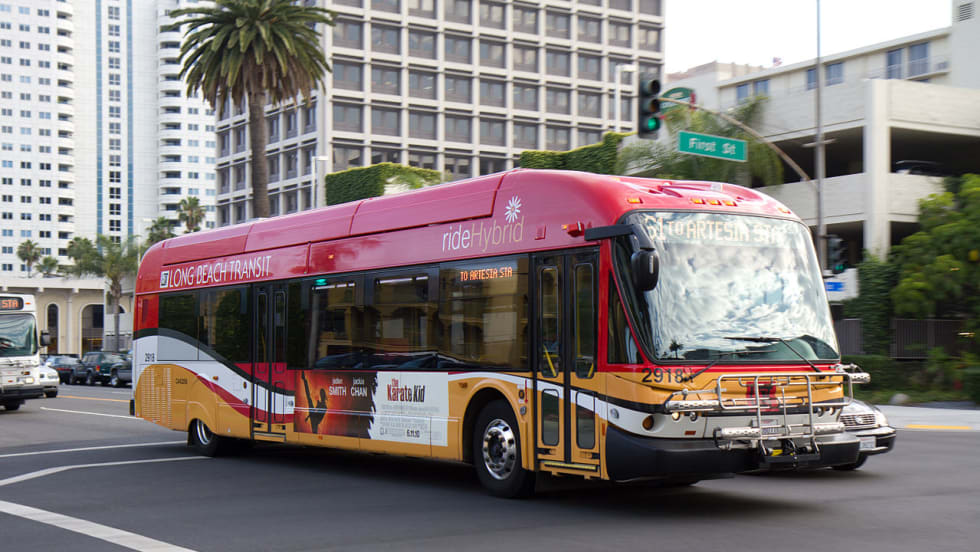
When official-plated transit authority vehicles were scarce and basically reserved for those in upper management to go about their daily business to and from meetings, etc..., road control would be the responsibility of the “fixed-post foot dispatcher.” Not all of these positions have been eliminated, but I wonder if any readers remember the stability and sense of control that was present while the foot dispatcher was on post?
Read More →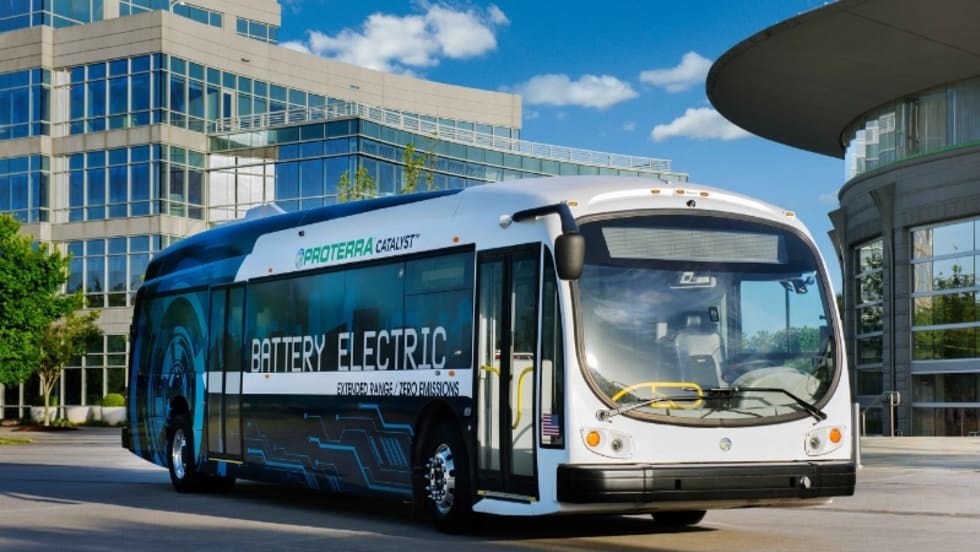
The Associated Students of the University of Montana Transportation ordered two 40-foot Catalyst Fast Charge buses and one semi-autonomous fast charger for its UDASH routes.
Read More →
The product improvement plan focuses on improved fuel efficiency, lower total cost of ownership and improved uptime.
Read More →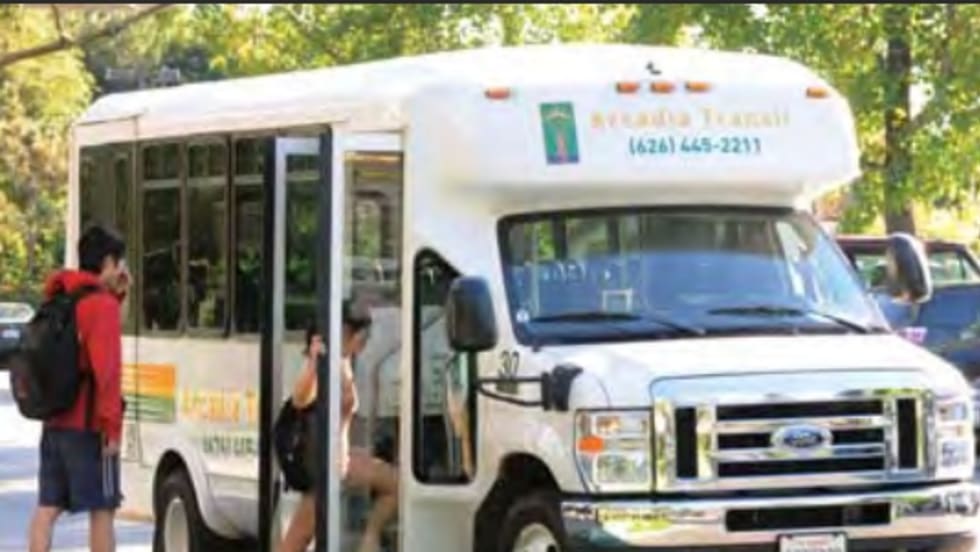
While residents who depend on the transit service are frequently denied rides, nearly 300 students use the transport daily.
Read More →
With large snow banks everywhere, an open curb usually is the only way a wheelchair user can get on or off the sidewalk.
Read More →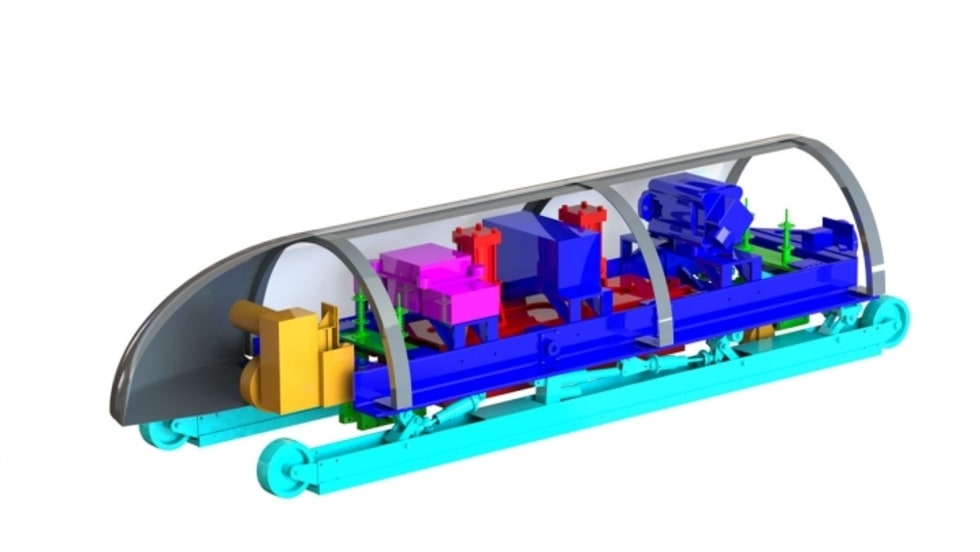
Beating out a field of more than 100 other teams from around the world, the group of MIT graduate students won the best overall design award for a vehicle, or pod, that will ride inside the Hyperloop, a system of tubes connecting major cities.
Read More →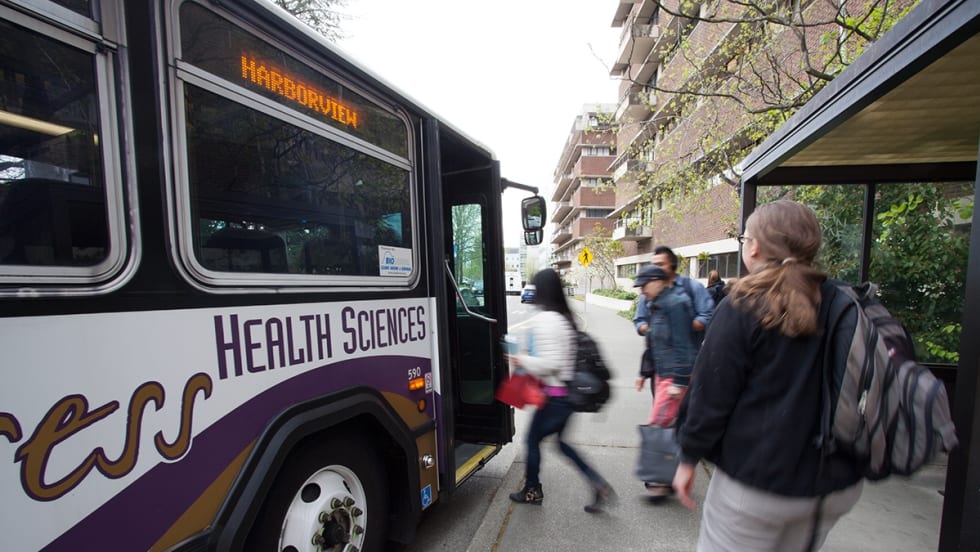
University of Washington researchers have developed an inexpensive system that uses Wi-Fi and Bluetooth signals from passengers’ mobile phones and devices to collect better data about where bus riders get on and off, how many people use a given stop and even how long they wait to transfer to another bus.
Read More →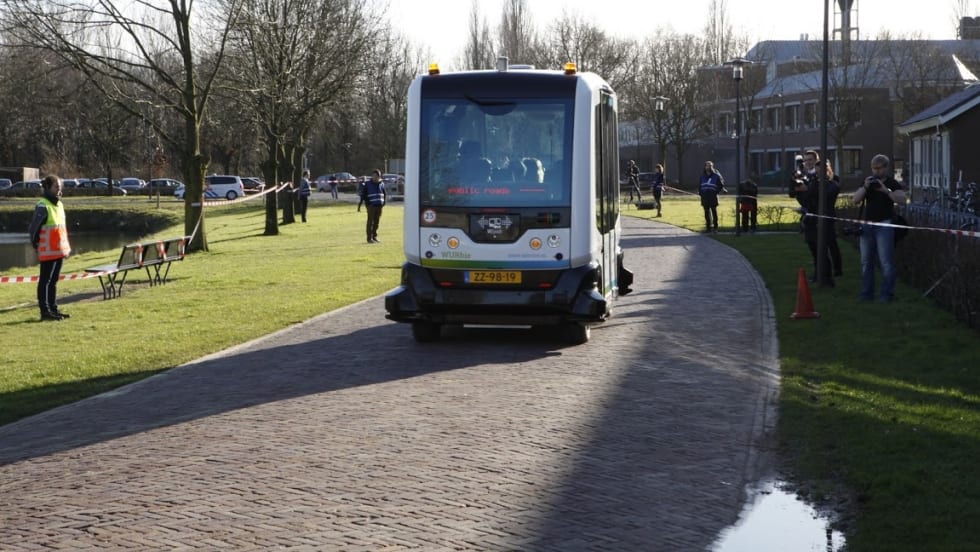
Cameras, radar sensors and laser sensors provide the WEpod with correct information on its surroundings so that it can anticipate necessary actions.
Read More →
Highlighted in his report to the Board included fiscal stability with the creation of a Risk Allocation Matrix to deal with future operational deficits and optimization of Metro services and fare media in the coming years.
Read More →