
Metro Magazine

 MENU
 SEARCHMENUSEARCH
Loading data...

California’s grant will go toward the initial construction set to begin next year in Fresno. Meanwhile, Michigan's funds will go toward improvements that will allow for speeds up to 110 mph on 77% of Amtrak’s Wolverine and Blue Water services between Detroit and Chicago.
Read More →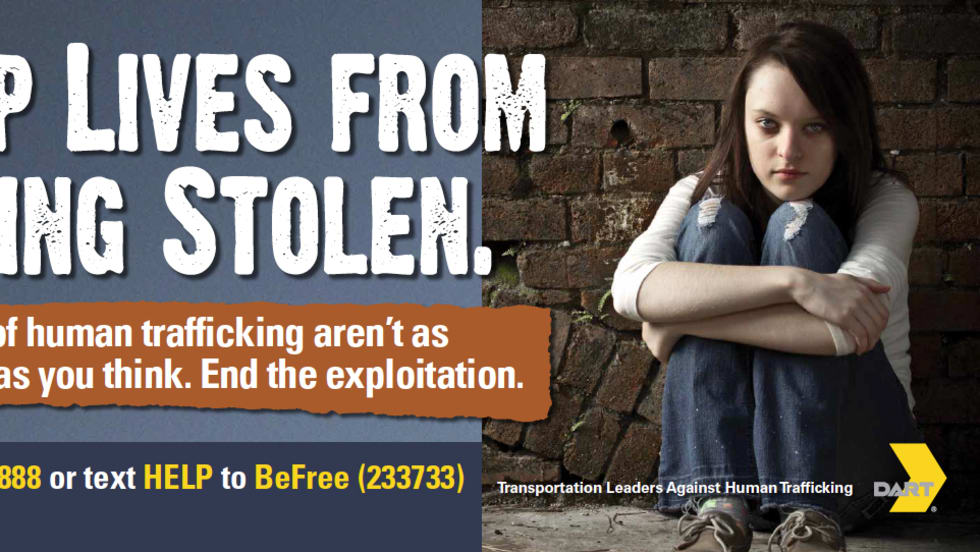
It is estimated that more than 20 million men, women and children around the world are victims of human trafficking with the U.S. a source, transit and destination country.
Read More →A new high-speed rail alignment beneath Center City would allow trains to avoid speed-killing curves and space limits near the 30th Street Station, helping meet a goal of 37-minute train trips between Philadelphia and New York by 2040.
Read More →Received 40 eligible applications requesting $67.5 million, nearly three times the $25 million that Congress provided in the 2016 Consolidated Appropriations Act that funds DOT.
Read More →The F59PHIs, which were built by the Electro-Motive Division of GM in 1998 and have been rehabbed within the last five years, have similar parts and operating characteristics to Metra’s existing fleet of EMD F40s, some of which are 35 years old and are in need of overhaul.
Read More →In times of disaster or tragedy, public transit agencies are frequently called upon to assist their communities and other transportation organizations. In case of fire, evacuation or accident, buses may be used to shelter or transport the displaced or injured, or serve as a respite site for first responders.
Read More →On average, a motorcoach provided 15,418 passenger trips in 2017, provided 1.7 million passenger miles, employed 2.6 people.
Read More →The funding is part of the 2020 TIRCP, which will provide a total of $500 million to projects statewide that reduce GHG emissions by improving rail and transit services.
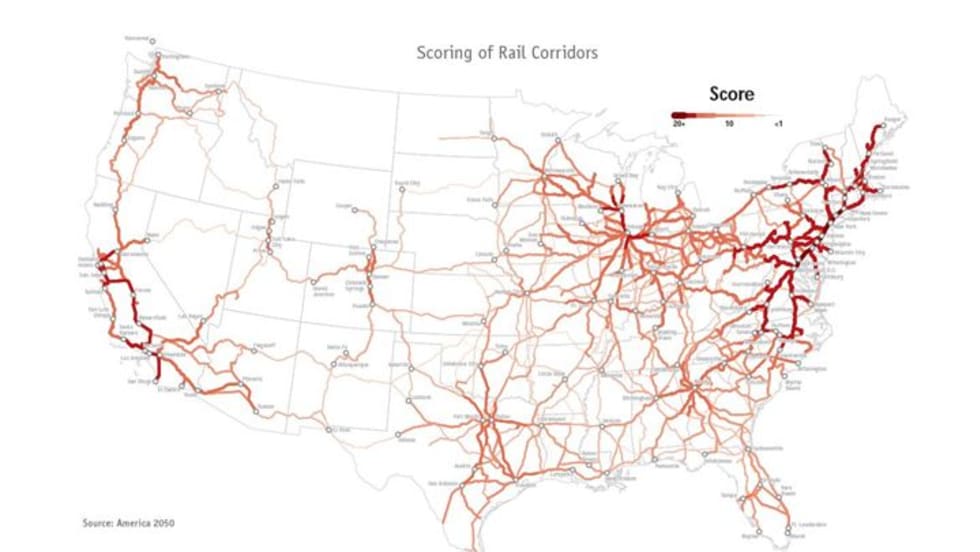
Read More →Corridors connecting populous regions with large job centers, rail transit networks, and existing air markets were found to have the greatest potential to attract ridership.
Read More →The agency will make a “down payment” toward an eventual commitment of $3 billion by approving a $1.35 billion Early Systems Work Agreement (ESWA). The project will allow NJ Transit to double rail service capacity into Manhattan.
Read More →