
Metro Magazine

 MENU
MENU SEARCHMENUSEARCH
Loading data...
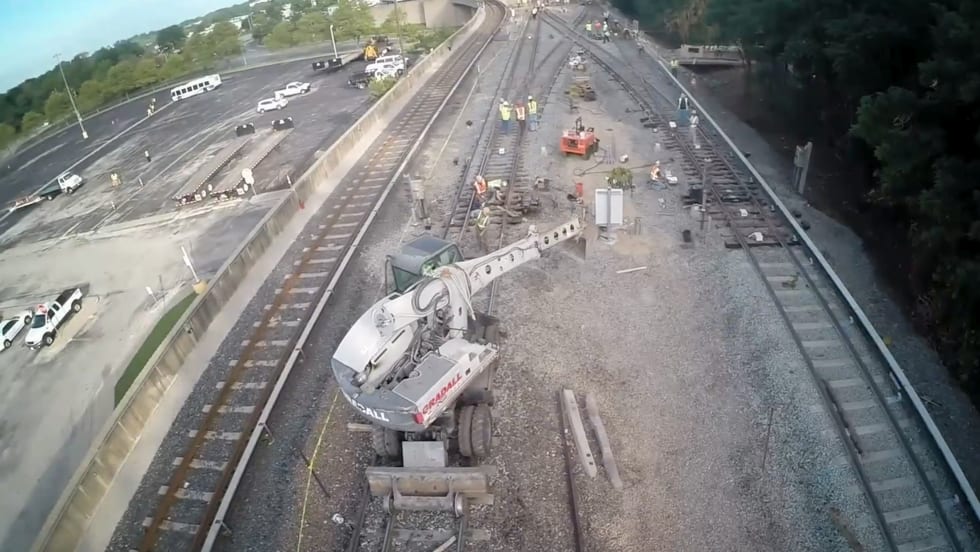
In order for scheduled repairs to take place when subway ridership was at its lowest all year, the Maryland Transit Administration undertook an unprecedented plan to shut down the central core of the 33-year-old subway system for 21 days.
Read More →
Implementation is expected to cost the commuter rail industry more than $3.5 billion in capital expenditure, which includes over $16 million in spectrum acquisition, as well as $100 million annually in additional maintenance costs.
Read More →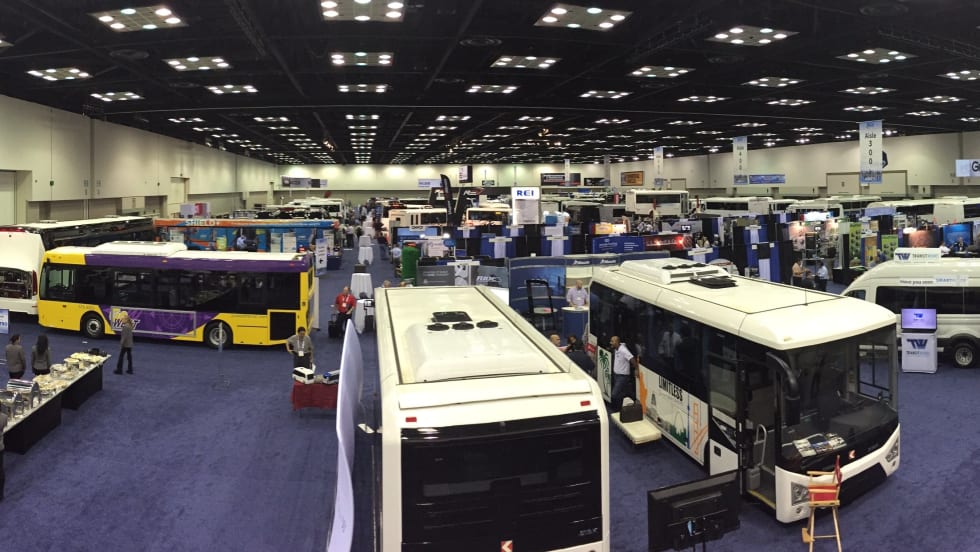
This year's event definitely had something for everyone, including the most buses on one North American show floor, a closer look at issues set to impact transit maintenance professionals, an up-to-date look at electric buses and a the BusCon Connect hosted buyers program.
Read More →
A Transit Maintenance Forum pass is $98 and includes the forum as well as access to BusCon’s full educational program, the exhibit hall full of buses, networking event at the Indianapolis Motor Speedway Museum and much more.
Read More →
The survey, conducted by APTA and the Mineta Institute, reflects a continuation of a multi-year trend where nearly three-quarters of Americans consistently support increased investment in public transportation.
Read More →
The report includes findings from FTA’s spring 2016 “Safety Blitz” assessment of Metrorail and details systemic deficiencies in the inspection, maintenance and repair of track that have contributed to or could have resulted in train derailments and other track-related incidents.
Read More →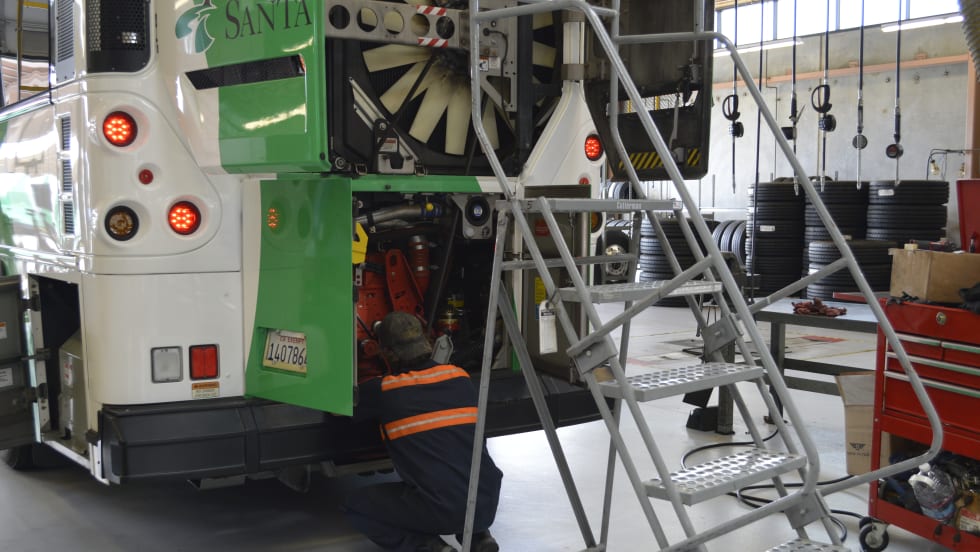
Lays out a strategic approach to maintain and improve capital assets, based on careful planning and improved decision-making, such as reviewing inventories and setting performance targets and budgets to achieve state of good repair goals.
Read More →
David M. Springstead will be responsible for MARTA’s Strategic Transit Asset Management Plan and State of Good Repair initiatives.
Read More →
Now in its eighth year, the TIGER program has continued to attract overwhelming demand from communities of all sizes, with 337 applications coming from urban areas and 248 from rural communities.
Read More →
In February, the FTA finalized its grant management requirements circular governing the administration and management of all FTA grant programs. This revision incorporates changes to these programs contained in both authorizations that have been enacted in recent years, the FAST Act and MAP-21. While some provisions the revised circular are welcome and needed because of enactment of these new laws, it also contains changes that are not only unnecessary but could threaten the industry’s health.
Read More →