
Metro Magazine

 MENU
MENU SEARCHMENUSEARCH
Loading data...
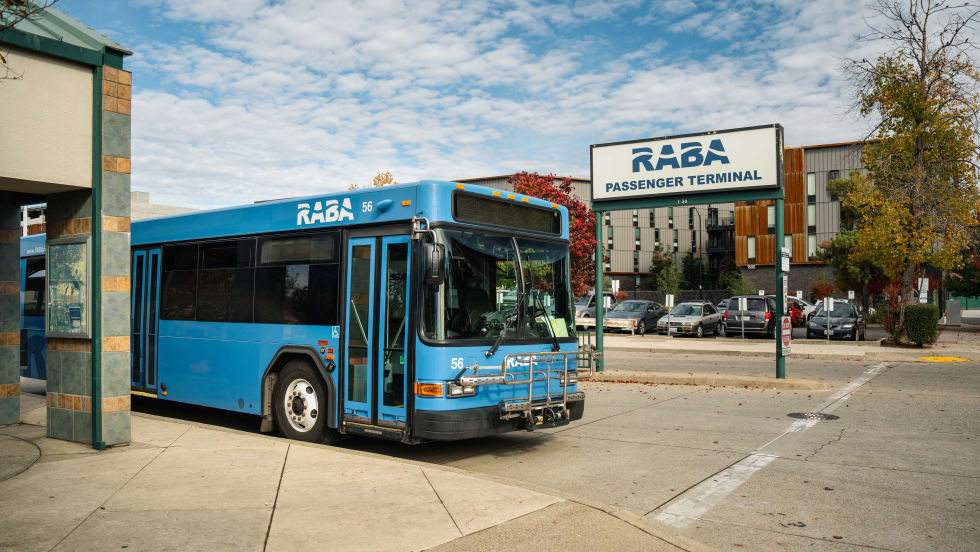
The transition marks a significant step in RABA’s continued commitment to sustainability, cleaner air, and responsible environmental stewardship in Shasta County.
Read More →



The American Bus Association Foundation partnered with the Texas A&M Transportation Institute to assess the environmental impact of motorcoach operations.
Read More →Compared to regular transit service planning, services for special events pose a unique set of challenges to cities of smaller sizes, as well as service providers because they’re non-recurring events without a predictable transit demand.
Read More →In support of President Biden’s whole-of-government approach to cutting carbon pollution in half by 2030, FHWA is taking steps toward addressing the impacts of climate change.
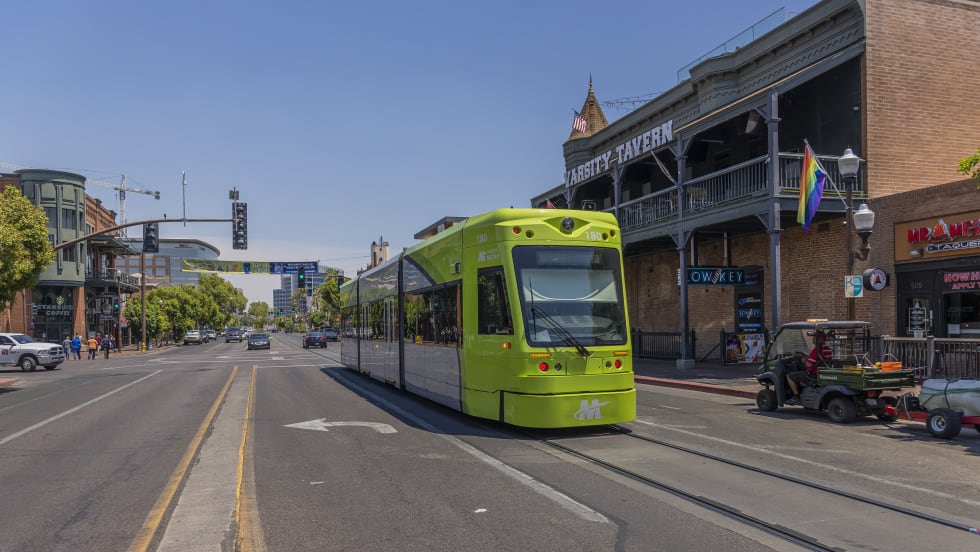
Read More →Valley Metro has navigated the ongoing workforce shortage, COVID-19 pandemic, and other issues during a time when it changed leadership. In March 2022, Jessica Mefford-Miller was named CEO of the agency and has now openly stated where she sees Valley Metro going from here.
Read More →Led by USGCRP and its 14 member agencies, NCA5 draws on the expertise of nearly 500 authors and 250 contributors from every state, as well as Guam, Puerto Rico, and the U.S. Virgin Islands.
Read More →The 2022 State of the Industry Report shows that shared micromobility ridership across North America returned to pre-pandemic levels in 2022.
Read More →The study also compares the actual carbon dioxide emissions of traveling on popular U.S. routes by each travel mode.
Read More →Konstantin Spasov, VP at Modeshift, discussed ways transit agencies can work with their respective cities to work toward a sustainable future.
Read More →The new standards will accelerate the ongoing transition to a clean vehicle future and will address the climate crisis.
Read More →