




Read More: USDOT Launches New Center Focused on Delivering Infrastructure Projects
USDOT Releases Fifth National Climate Assessment
Led by USGCRP and its 14 member agencies, NCA5 draws on the expertise of nearly 500 authors and 250 contributors from every state, as well as Guam, Puerto Rico, and the U.S. Virgin Islands.
November 17, 2023
To date, the Bipartisan Infrastructure Law has provided more than $9 billion in funding for climate resilience projects to protect infrastructure from extreme weather and pursue USDOT’s goal of net-zero carbon emissions by 2050.
Photo: USDOT
2 min to read
The U.S. Global Change Research Program (USGCRP) announced the release of the Fifth National Climate Assessment (NCA5).
Led by USGCRP and its 14 member agencies, NCA5 draws on the expertise of nearly 500 authors and 250 contributors from every state, as well as Guam, Puerto Rico, and the U.S. Virgin Islands.
“Transportation generates more carbon emissions than any other sector, which means that transportation should be the biggest part of the solution to the climate crisis,” said U.S. Transportation Secretary Pete Buttigieg. “Thanks to President Biden, we are making the largest investment in U.S. history to combat climate change, including making our transportation systems cleaner and more resilient.”
To date, the Bipartisan Infrastructure Law has provided more than $9 billion in funding for climate resilience projects to protect infrastructure from extreme weather and pursue USDOT’s goal of net-zero carbon emissions by 2050.
More About NCA5
NCA5 provides information on how people across the country are experiencing climate change, current and future risks, and actions underway to reduce greenhouse gas emissions and build resilience.
The NCA5 evaluates climate impacts across 10 U.S. regions and a wide range of interests, including water, forests and ecosystems, coasts and oceans, agriculture and rural communities, the built environment, energy and transportation, health and air quality, and economic and social systems.
The NCA5 includes input from public comment and engagement and an external peer review conducted by the National Academies of Sciences, Engineering, and Medicine.
“The need for climate mitigation and adaptation has created an opportunity to rethink transportation systems at all levels,” said Chief Scientist Dr. Robert C. Hampshire. “Making transportation investments that are sustainable, climate-resilient, evidence-based, and equitable involves risk assessment and detailed dynamic analysis of long-term costs and impacts,” Hampshire added.
USDOT oversees more than 4.2 million miles of public roads, 617,000 bridges, 136,851 railroad route miles, 2.8 million miles of pipelines, 25,000 miles of commercially navigable waterways, 3,321 public-use airports, 950 urban transit agencies, and more than 300 coastal, Great Lakes, and inland waterways ports.
More Zero Emissions
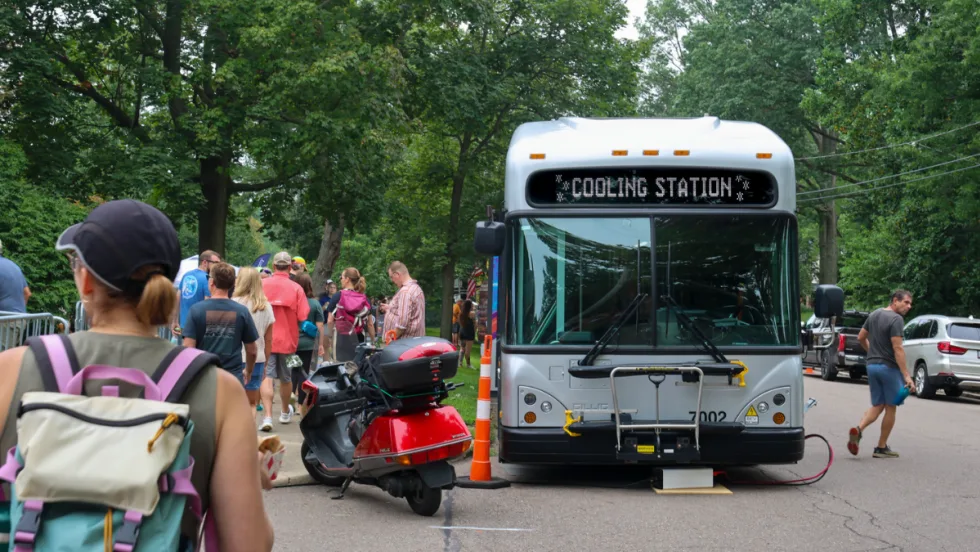
Ohio’s METRO RTA Turns Electric Buses into Mobile Power Sources at PorchROKR
See how three Gillig battery-electric buses powered festival stages while the agency’s new Park & Ride service carried approximately 1,000 attendees, demonstrating another potential use for transit agencies’ electric fleets.
Read More →
CALSTART and Forth Combine to Form Catalyst Mobility
The new name represents a renewed vision for the nonprofit focused on advancing clean, equitable, and affordable transportation solutions that move people and goods.
Read More →
Building a Flexible Path to Transit Electrification
John Hroncich discusses BAE Systems’ modular and scalable approach, lessons learned from decades of real-world operations, and how agencies can identify electrification strategies that fit their fleets.
Read More →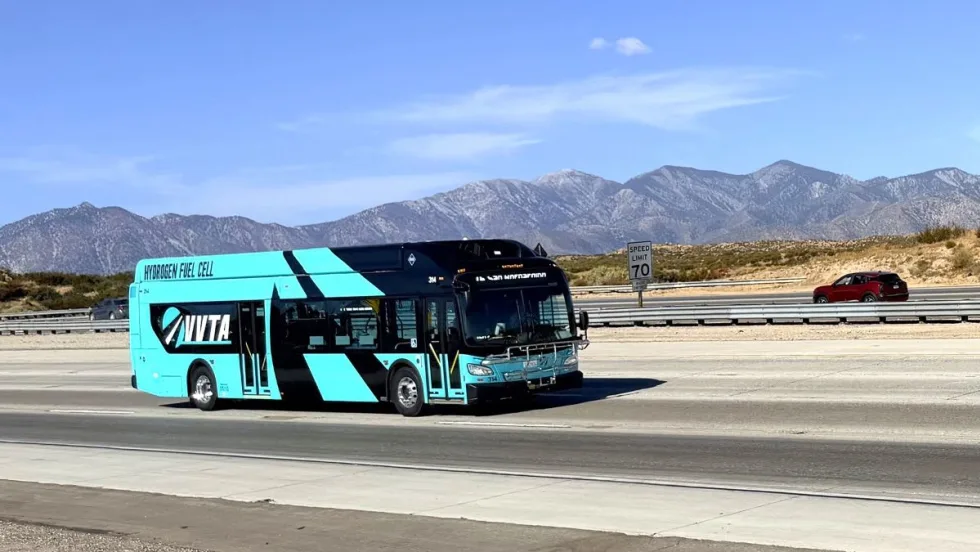
California's VVTA Begins Phased Rollout of Hydrogen Fuel Cell Buses
The agency is introducing 13 zero-emission buses into revenue service while evaluating performance across its urban, rural, and long-distance routes.
Read More →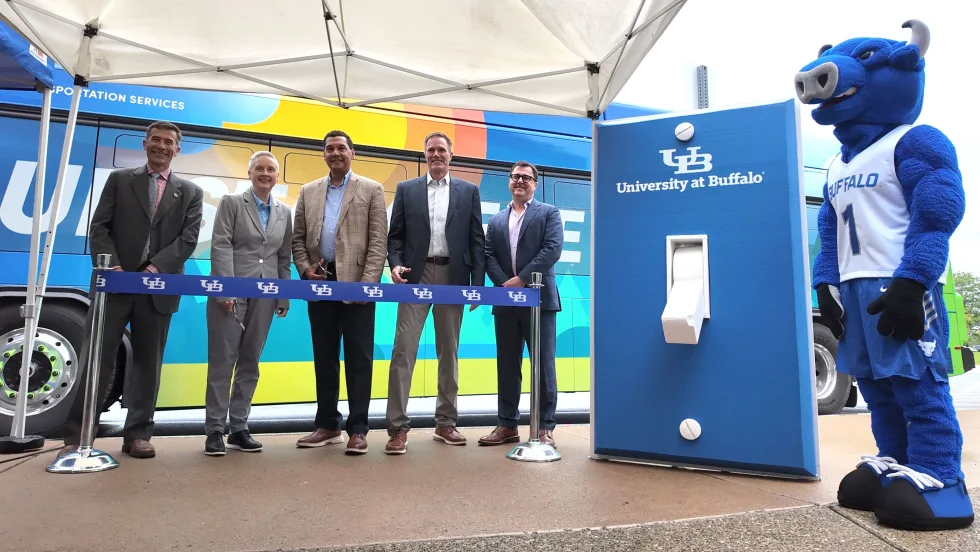
Inside Look: University at Buffalo Puts First 8 Electric Buses Into Stampede Service
UB, transportation solutions provider WeDriveU, and fleet electrification specialist Zenobē marked the deployment in the presence of students, university administrators, and local officials.
Read More →
Biz Briefs: OCTA Taps Clean Energy for Hydrogen Station, Stadler to Supply Via Rail Vehicles, and More
From manufacturers and suppliers to transit agencies and motorcoach operators, these updates offer a snapshot of the projects, partnerships and business moves driving the industry forward.
Read More →
AC Transit’s Cecil Blandon on Building the Next Generation of Transit Maintenance Leaders
The agency’s maintenance chief discusses leadership, workforce development, zero-emission technology, and preparing technicians for the future of public transportation.
Read More →
CTDOT Taps STV for Electric Bus Facility Design
The firm will work with CTDOT and RVT to define the facility layout, operational requirements, and long-term flexibility for RVT’s growing electric fleet.
Read More →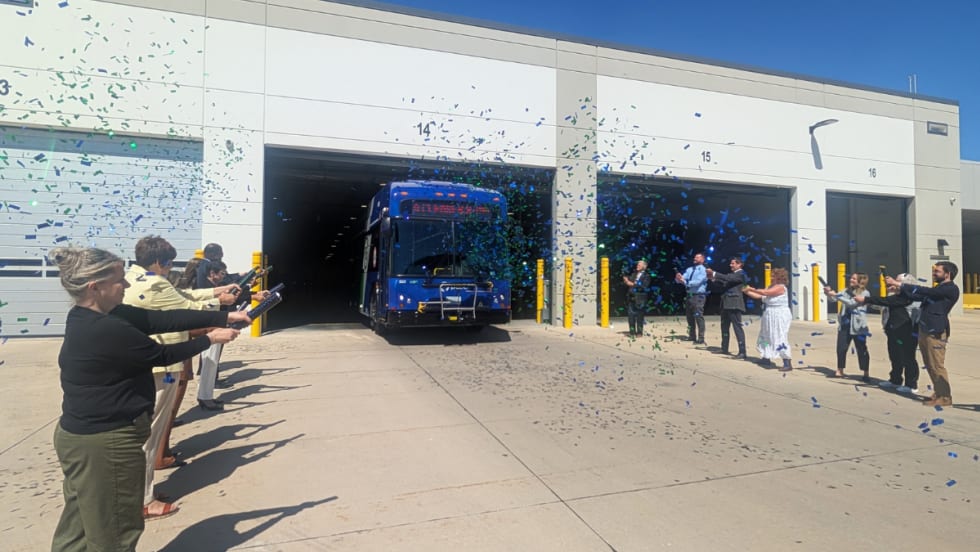
Chicago’s Pace Deploys 24 Hybrid-Electric Buses in Will County
The new buses reduce emissions and fuel consumption while advancing the agency's long-term goal of transitioning to a fully zero-emission fleet.
Read More →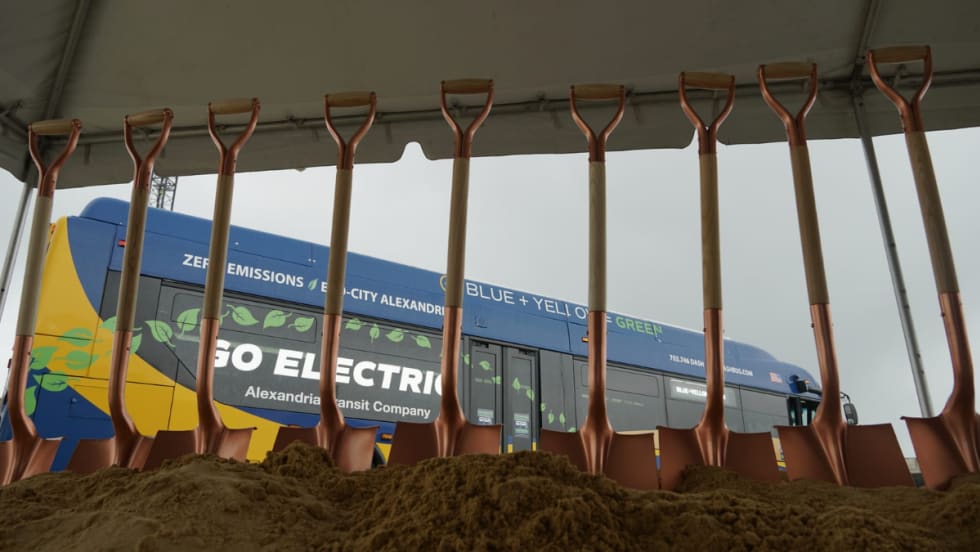
DASH Breaks Ground on First On-Route Electric Bus Chargers in D.C. Region
The fast-charging infrastructure will help extend electric bus range, improve fleet utilization, and support DASH's goal of transitioning to a fully zero-emission fleet.
Read More →