




Related: Biden Visits Cummins Facility, Addresses Hydrogen Efforts
EPA Proposes New Vehicle Emissions Standards
The new standards will accelerate the ongoing transition to a clean vehicle future and will address the climate crisis.
April 12, 2023
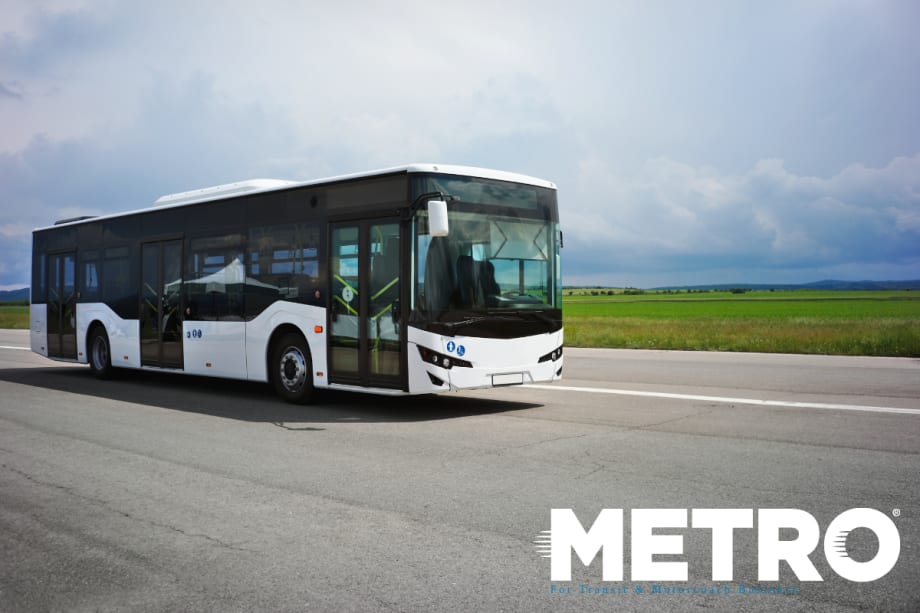
The new proposed emissions standards for light-, medium-, and heavy-duty vehicles for model year (MY) 2027 and beyond would reduce climate and other harmful air pollution.
Photo: Canva/METRO
2 min to read
The U.S. Environmental Protection Agency (EPA) announced new proposed federal vehicle emissions standards, according to the organization's news release.
The new standards will accelerate the ongoing transition to a clean vehicle future and will address the climate crisis.
The proposed standards would improve air quality for communities across the U.S. These proposals would avoid nearly 10 billion tons of CO2 emissions, equivalent to more than twice the total U.S. CO2 emissions in 2022, according to the EPA.
“By proposing the most ambitious pollution standards ever for cars and trucks, we are delivering on the Biden-Harris Administration’s promise to protect people and the planet, securing critical reductions in dangerous air and climate pollution and ensuring significant economic benefits like lower fuel and maintenance costs for families,” said EPA administrator Michael S. Regan. “These ambitious standards are readily achievable thanks to President Biden’s Investing in America agenda, which is already driving historic progress to build more American-made electric cars and secure America’s global competitiveness.”
The second set of proposed standards announced, the “Greenhouse Gas Standards for Heavy-Duty Vehicles - Phase 3,” would apply to heavy-duty vocational vehicles (such as delivery trucks, refuse haulers or dump trucks, public utility trucks, transit, shuttle, and school buses).
These standards would complement the criteria pollutant standards for MY 2027 and beyond heavy-duty vehicles that EPA finalized in December 2022 and represent the third phase of EPA’s Clean Trucks Plan.
These “Phase 3” greenhouse gas standards maintain the flexible structure that the EPA previously designed through a stakeholder engagement process. Like the light- and medium-duty proposal, the heavy-duty proposal uses performance-based standards that enable manufacturers to achieve compliance efficiently based on the composition of their fleets.
The projected net benefits of the heavy-duty proposal range from $180 billion to $320 billion. The proposal is projected to avoid 1.8 billion tons of CO2 through 2055, equivalent to eliminating all greenhouse gas emissions from the entire current U.S. transportation sector for an entire year, and deliver additional health benefits by reducing other pollutants from these vehicles.
The new proposed emissions standards for light-, medium-, and heavy-duty vehicles for model year (MY) 2027 and beyond would reduce climate and other harmful air pollution. The proposed standards aim to lower maintenance costs and deliver fuel savings for drivers.
More Zero Emissions
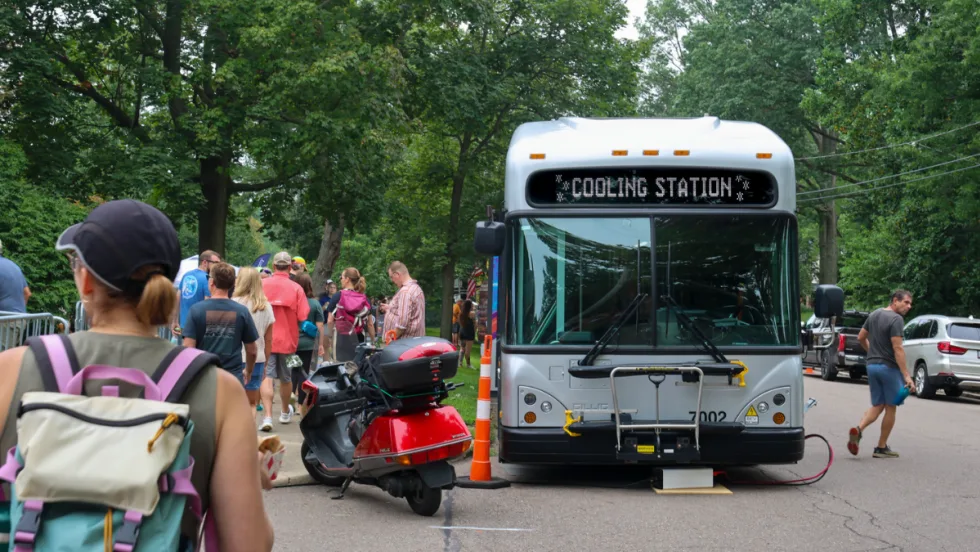
Ohio’s METRO RTA Turns Electric Buses into Mobile Power Sources at PorchROKR
See how three Gillig battery-electric buses powered festival stages while the agency’s new Park & Ride service carried approximately 1,000 attendees, demonstrating another potential use for transit agencies’ electric fleets.
Read More →
CALSTART and Forth Combine to Form Catalyst Mobility
The new name represents a renewed vision for the nonprofit focused on advancing clean, equitable, and affordable transportation solutions that move people and goods.
Read More →
Building a Flexible Path to Transit Electrification
John Hroncich discusses BAE Systems’ modular and scalable approach, lessons learned from decades of real-world operations, and how agencies can identify electrification strategies that fit their fleets.
Read More →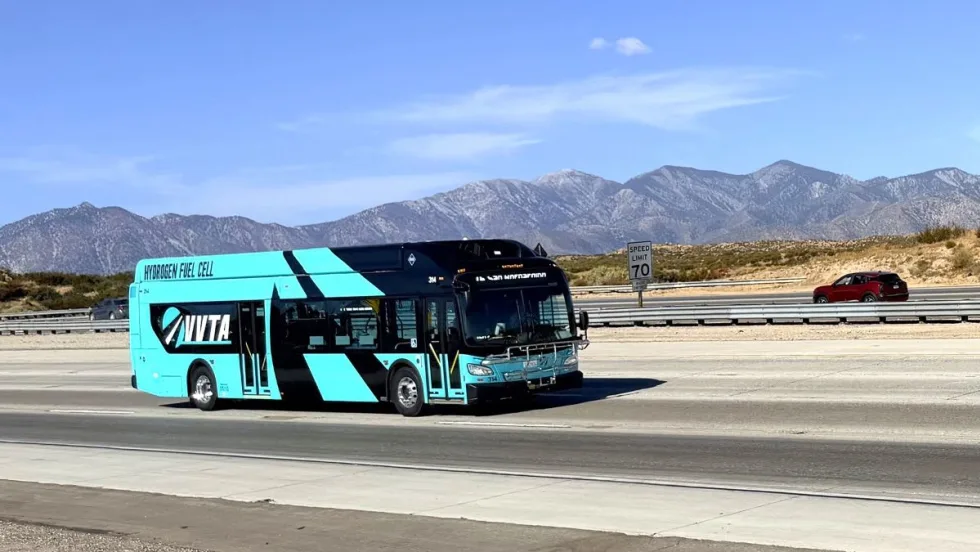
California's VVTA Begins Phased Rollout of Hydrogen Fuel Cell Buses
The agency is introducing 13 zero-emission buses into revenue service while evaluating performance across its urban, rural, and long-distance routes.
Read More →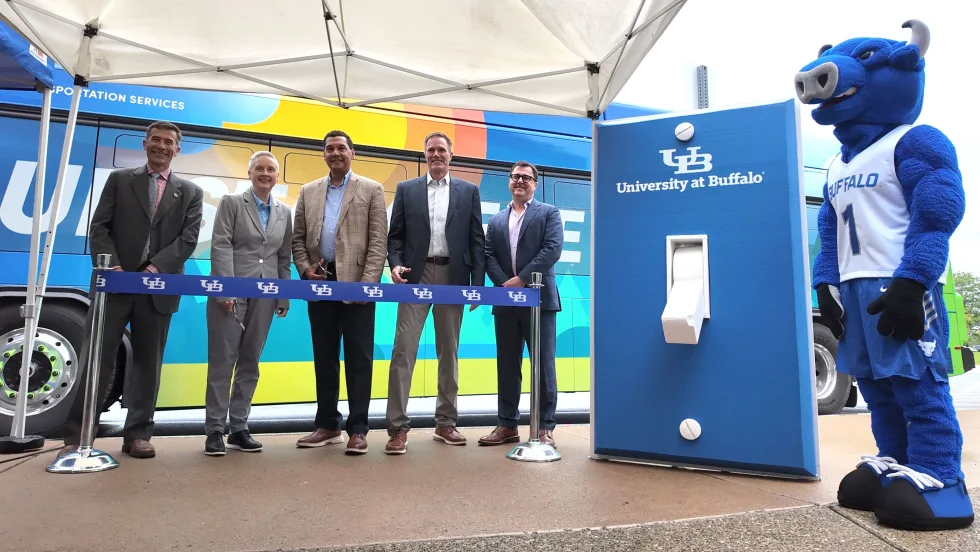
Inside Look: University at Buffalo Puts First 8 Electric Buses Into Stampede Service
UB, transportation solutions provider WeDriveU, and fleet electrification specialist Zenobē marked the deployment in the presence of students, university administrators, and local officials.
Read More →
Biz Briefs: OCTA Taps Clean Energy for Hydrogen Station, Stadler to Supply Via Rail Vehicles, and More
From manufacturers and suppliers to transit agencies and motorcoach operators, these updates offer a snapshot of the projects, partnerships and business moves driving the industry forward.
Read More →
AC Transit’s Cecil Blandon on Building the Next Generation of Transit Maintenance Leaders
The agency’s maintenance chief discusses leadership, workforce development, zero-emission technology, and preparing technicians for the future of public transportation.
Read More →
CTDOT Taps STV for Electric Bus Facility Design
The firm will work with CTDOT and RVT to define the facility layout, operational requirements, and long-term flexibility for RVT’s growing electric fleet.
Read More →
Chicago’s Pace Deploys 24 Hybrid-Electric Buses in Will County
The new buses reduce emissions and fuel consumption while advancing the agency's long-term goal of transitioning to a fully zero-emission fleet.
Read More →
DASH Breaks Ground on First On-Route Electric Bus Chargers in D.C. Region
The fast-charging infrastructure will help extend electric bus range, improve fleet utilization, and support DASH's goal of transitioning to a fully zero-emission fleet.
Read More →