



FHWA Finalizes Greenhouse Gas Emissions Reduction Tool
In support of President Biden’s whole-of-government approach to cutting carbon pollution in half by 2030, FHWA is taking steps toward addressing the impacts of climate change.

In addition to the programs above that have specific eligibilities for projects that will reduce carbon pollution, federal aid highway formula programs like the National Highway Performance Program (NHPP) and the Surface Transportation Block Grant (STBG) include broad eligibilities that allow states the flexibility to pursue projects that will reduce carbon pollution.
Photo: Canva
The U.S. Department of Transportation’s Federal Highway Administration (FHWA) announced a finalized performance measure that will provide State Departments of Transportation (DOTs) and Metropolitan Planning Organizations (MPOs) a national framework to track transportation-related greenhouse gas emissions (GHG), along with the flexibility to set their own targets for reduction.
“Every state has its own unique climate challenges, and every state ought to have the data, funding, and flexibility it needs to meet those challenges head-on,” said U.S. Transportation Secretary Buttigieg. “This new performance measure will provide states with a clear and consistent framework to track carbon pollution and the flexibility to set their own climate targets—which we will also help them meet with more than $27 billion in federal funding through President Biden’s Investing in America agenda.”
FHWA's Steps to Address Climate Change
In support of President Biden’s whole-of-government approach to cutting carbon pollution in half by 2030, FHWA is taking two steps toward addressing the impacts of climate change:
Adding a new greenhouse gas performance management measure to the existing FHWA national performance measures to establish a national framework to help states track performance and make more informed investment decisions
Creating a flexible system under which state DOTs and MPOs will set their own targets for reducing greenhouse gas emissions from roadway travel.
“Transportation is the leading source of greenhouse gas emissions in the U.S. and reducing emissions from that sector while ensuring our economy works for everyday Americans is critical to addressing the climate crisis,” said Federal Highway Administrator Shailen Bhatt. “We don’t expect state DOTs and MPOs to solve a problem this large on their own, which is why this performance measure does not impose penalties for those who miss their targets.”
Carbon Pollution Reduction Projects
The Bipartisan Infrastructure Law (BIL) includes more than $27 billion in funding across several programs that Federal agencies are using to support carbon pollution reduction projects. Here are some examples:
The Carbon Reduction Program provides $6.4 billion in formula funding to State and local governments to develop carbon reduction strategies and fund a wide range of projects – including eligible assets owned by local governments, counties, and Tribes – designed to reduce carbon emissions from on-road highway sources.
The National Electric Vehicle Infrastructure (NEVI) formula program provides $5 billion to states, primarily through a statutory formula, to build out a national electric vehicle charging network, an important step towards making electric vehicle charging accessible to all Americans.
The Charging and Fueling Infrastructure (CFI) discretionary grant program provides $2.5 billion in competitive funding to states, local governments, and Tribes to deploy electric vehicle charging and hydrogen, propane, and natural gas fueling infrastructure along designated alternative fuel corridors and in communities.
The Congestion Relief Program provides $250 million in competitive funding to advance innovative, multimodal solutions to reduce congestion and related economic and environmental costs in the most congested metropolitan areas of the U.S.
The Reduction of Truck Emissions at Port Facilities Program provides $400 million in competitive funding to reduce truck idling and emissions at ports, including through the advancement of port electrification.
The Low or No Emission Vehicle Program provides $5 billion to replace transit buses with zero-emission electric buses and other low or zero-emission technologies, adding even greater emissions reduction benefits to transit systems that lower emissions at a baseline compared to the many passenger cars they replace.
The Transportation Alternatives Set-Aside program provides $7.2 billion to help state and local governments carry out environmentally friendly pedestrian and bicycle infrastructure projects.
The Transit Oriented Development (TOD) Program provides $69 million in funding to local communities to integrate land use and transportation planning with new fixed guideways or core capacity transit capital investment projects. BIL also expands TOD financing opportunities through the Transportation Infrastructure Finance and Innovation Act (TIFIA) and Railroad Rehabilitation & Improvement Financing (RRIF) programs.
In addition to the programs above that have specific eligibilities for projects that will reduce carbon pollution, federal aid highway formula programs like the National Highway Performance Program (NHPP) and the Surface Transportation Block Grant (STBG) include broad eligibilities that allow states the flexibility to pursue projects that will reduce carbon pollution.
These formula and discretionary funding sources from the Bipartisan Infrastructure Law and additional funding from the Inflation Reduction Act provide State, local, and Tribal governments resources for a variety of projects that reduce carbon pollution.
Additionally, the Bipartisan Infrastructure Law provides the largest Federal investment in public transportation ever, which will increase transportation options for all Americans and reduce carbon pollution from single-occupancy vehicles.
Combined, these investments will support State and local governments in meeting the emissions reduction targets that they will set using the new FHWA performance measure.
More Zero Emissions
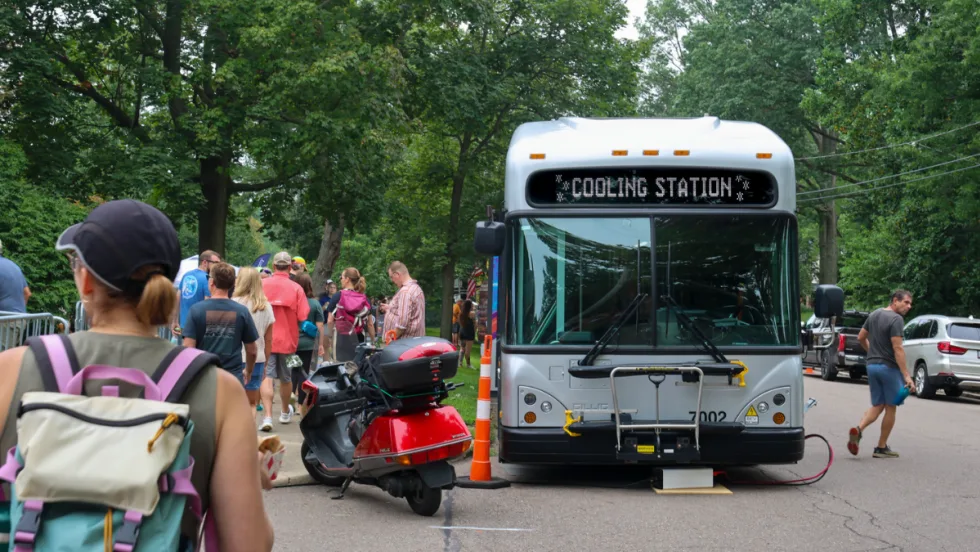
Ohio’s METRO RTA Turns Electric Buses into Mobile Power Sources at PorchROKR
See how three Gillig battery-electric buses powered festival stages while the agency’s new Park & Ride service carried approximately 1,000 attendees, demonstrating another potential use for transit agencies’ electric fleets.
Read More →
CALSTART and Forth Combine to Form Catalyst Mobility
The new name represents a renewed vision for the nonprofit focused on advancing clean, equitable, and affordable transportation solutions that move people and goods.
Read More →
Building a Flexible Path to Transit Electrification
John Hroncich discusses BAE Systems’ modular and scalable approach, lessons learned from decades of real-world operations, and how agencies can identify electrification strategies that fit their fleets.
Read More →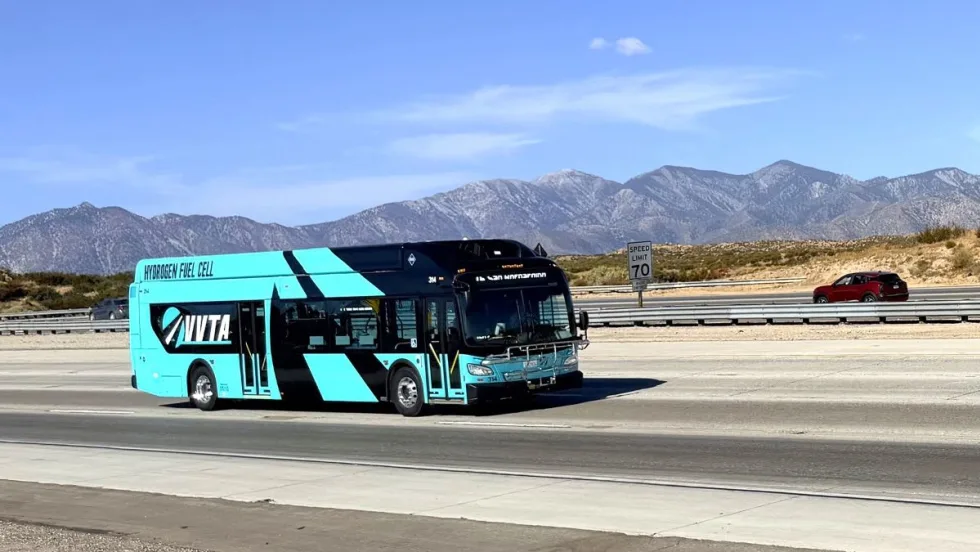
California's VVTA Begins Phased Rollout of Hydrogen Fuel Cell Buses
The agency is introducing 13 zero-emission buses into revenue service while evaluating performance across its urban, rural, and long-distance routes.
Read More →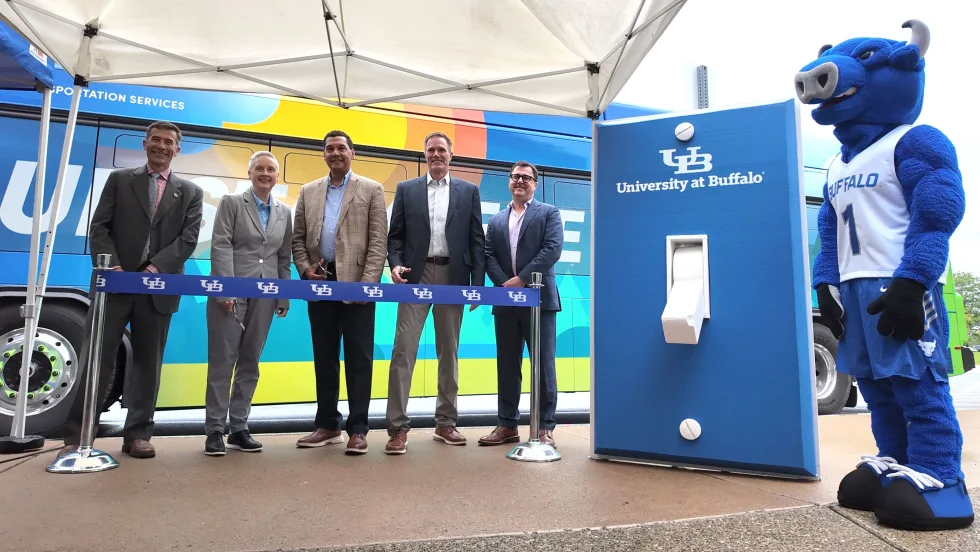
Inside Look: University at Buffalo Puts First 8 Electric Buses Into Stampede Service
UB, transportation solutions provider WeDriveU, and fleet electrification specialist Zenobē marked the deployment in the presence of students, university administrators, and local officials.
Read More →
Biz Briefs: OCTA Taps Clean Energy for Hydrogen Station, Stadler to Supply Via Rail Vehicles, and More
From manufacturers and suppliers to transit agencies and motorcoach operators, these updates offer a snapshot of the projects, partnerships and business moves driving the industry forward.
Read More →
AC Transit’s Cecil Blandon on Building the Next Generation of Transit Maintenance Leaders
The agency’s maintenance chief discusses leadership, workforce development, zero-emission technology, and preparing technicians for the future of public transportation.
Read More →
CTDOT Taps STV for Electric Bus Facility Design
The firm will work with CTDOT and RVT to define the facility layout, operational requirements, and long-term flexibility for RVT’s growing electric fleet.
Read More →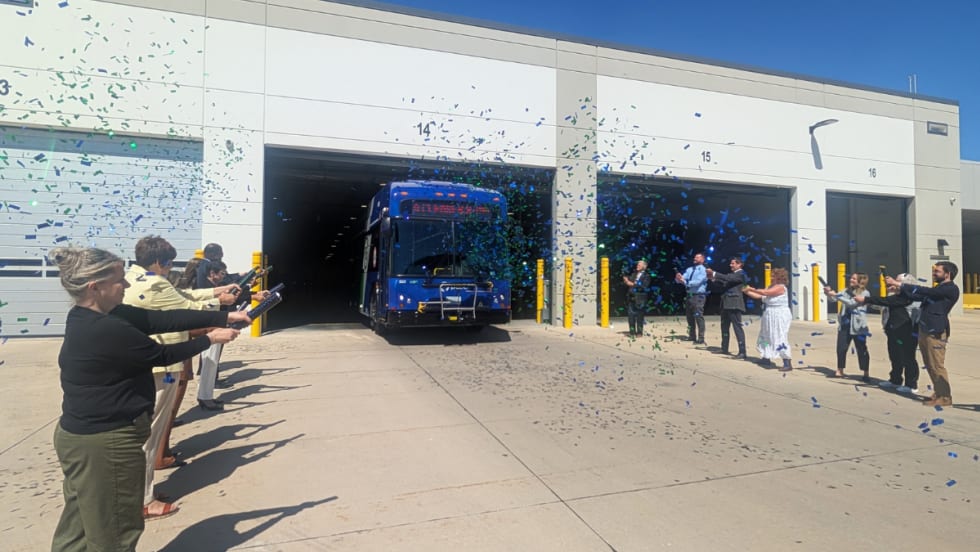
Chicago’s Pace Deploys 24 Hybrid-Electric Buses in Will County
The new buses reduce emissions and fuel consumption while advancing the agency's long-term goal of transitioning to a fully zero-emission fleet.
Read More →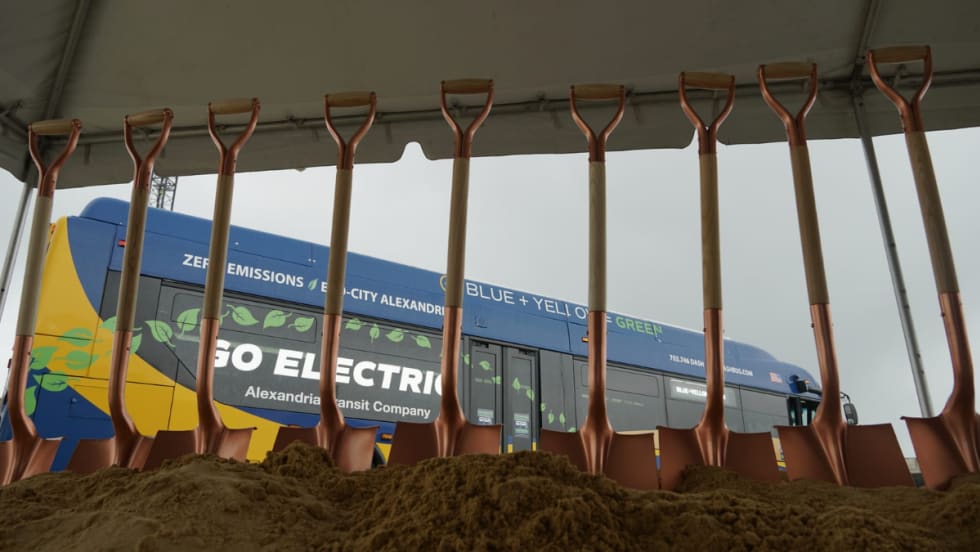
DASH Breaks Ground on First On-Route Electric Bus Chargers in D.C. Region
The fast-charging infrastructure will help extend electric bus range, improve fleet utilization, and support DASH's goal of transitioning to a fully zero-emission fleet.
Read More →