




RELATED: New Salesforce Transit Center opens in San Francisco
S.F.'s Salesforce Transit Center re-opens after 9-month closure
Hub was temporarily closed last September as a precaution after fissures were found in two beams on a third level bus deck.
July 2, 2019

The transit center replaced the Transbay Terminal with a modern, regional transportation hub connecting transit systems throughout the Bay Area.
TJPA
2 min to read

The transit center replaced the Transbay Terminal with a modern, regional transportation hub connecting transit systems throughout the Bay Area.
TJPA
The Transbay Joint Powers Authority’s (TJPA) Salesforce Transit Center and public rooftop park reopened on Monday with San Francisco Muni and Golden Gate Transit providing bus service from the street level bus plaza. AC Transit’s 26 Transbay bus lines, Greyhound, and Westcat Lynx anticipate service from the bus deck to resume in late summer 2019, following operator training and rider notice.
The transit center was temporarily closed last September as a precaution after fissures were found in two beams on the third level Bus Deck at Fremont Street. Since then, the TJPA has determined the cause of the fissures, repaired and reinforced the area, conducted an exhaustive review of the facility, completed a facility-wide fire and life safety reinspection program with city and state oversight, and recommissioned the entire facility.
In October 2018, San Francisco Mayor London Breed and Oakland Mayor Libby Schaaf also asked the Metropolitan Transportation Commission (MTC) to provide independent oversight and a review of the repairs, reinforcement, and the structural steel at the transit center. Following the eight-month independent peer review, the MTC’s panel concluded the issue was localized to the Fremont Street location.
The transit center replaced the Transbay Terminal with a modern, regional transportation hub connecting transit systems throughout the Bay Area. It includes a 5.4-acre rooftop public park with free year-round events and activities, a public art program, and shopping and dining. At more than one million square feet, the center stretches four blocks with four stories above ground and two stories below.
More Security and Safety

Transit Agencies Highlight Safety Gains at National Summit
Leaders from 15 major transit systems shared crime-reduction results and safety initiatives while discussing the role of continued federal support.
Read More →
DART Launches Major Security, Fare Enforcement Initiative
The 90-day demonstration will deploy coordinated security teams at five light rail stations while testing controlled access and gathering data to guide future investments.
Read More →
RTD Launches NextRide App to Consolidate Trip Planning, Fares, Security Reporting
The app expands on RTD’s existing NextRide web application and allows customers to view real-time vehicle locations and service alerts, purchase and store digital fares, and access customer support.
Read More →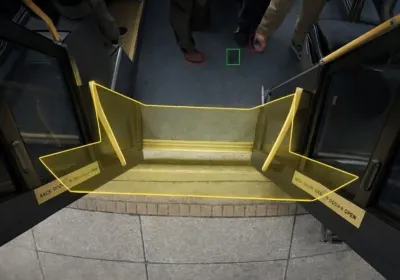
TAPTCO Updates OSHA Compliance Training for Transit Maintenance Operations
The revamped program addresses 26 OSHA standards for maintenance facilities, with TAPTCO pointing to training, documentation, and everyday shop hazards as continuing challenges for transit operations.
Read More →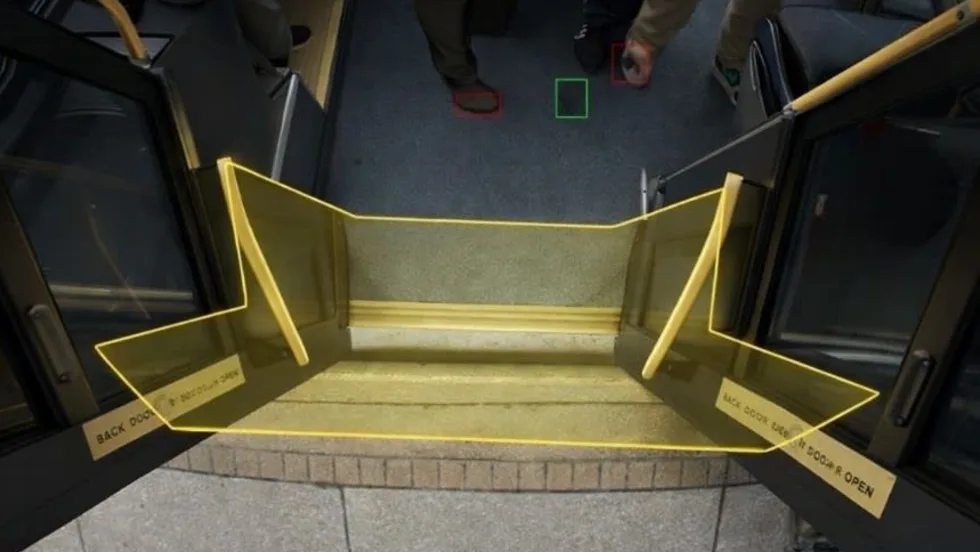
Sponsored•August 18, 2026
How VaporVision Adds Value to Transit Door Systems
Wabtec engineers explain how the system improves doorway detection, strengthens diagnostics and gives transit agencies and OEMs greater operating flexibility.
Read More →
FRA Announces $5.3B in Rail Investments, Including $2B for Amtrak
Funding will support grade-crossing improvements, infrastructure upgrades, and new Amtrak equipment in 23 states.
Read More →
Chicago, Maryland Expand Non-Law-Enforcement Safety, Rider Support
The CTA and MTA are launching new programs aimed at de-escalation, crisis response, rider assistance, and greater transparency.
Read More →
LA Metro, City of West Hollywood, and Partners Advance Smarter Bus Lane Enforcement
The award-winning partnership combines AI-powered detection with human oversight to improve bus reliability, accessibility, and enforcement efficiency.
Read More →
LA Metro Reports 57% Decline in Homelessness on Transit System Since 2024
The agency's latest homelessness count offers new data on how care-based services and cross-sector partnerships can complement traditional transit security strategies.
Read More →
FTA Launches 'Transit Moves America' Dashboard to Highlight Agency Safety and Performance
The online dashboard transforms National Transit Database information into a public-facing resource that allows users to compare transit agencies on key operational and safety metrics.
Read More →