




RELATED: LIRR launches service for people with mobility issues
NYC Transit to install netting under elevated track structures
Pilot will test whether and how the material may capture potential hazards, such as loose debris, while still allowing regular inspections of the structure.
July 22, 2019
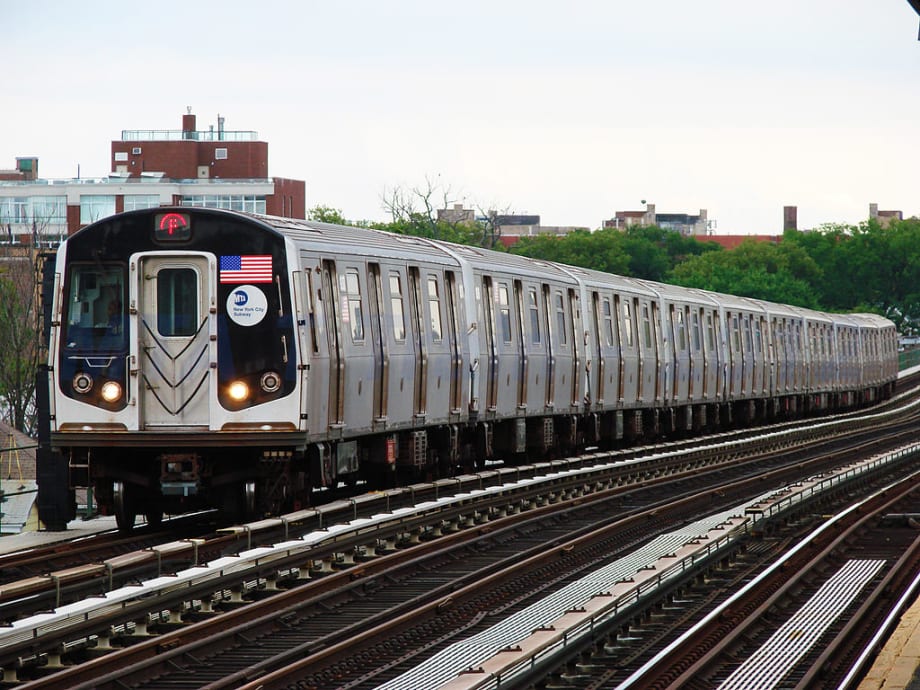
NYC Transit engineers chose four locations for the netting pilot based on the results of these inspections, identifying two century-old elevated stations and two sections of elevated tracks on curve.
MTATrain
2 min to read
NYC Transit engineers chose four locations for the netting pilot based on the results of these inspections, identifying two century-old elevated stations and two sections of elevated tracks on curve.
MTATrain
MTA New York City Transit announced four locations under elevated structures in the subway system will have netting installed for a pilot program to test whether and how the material may capture potential hazards, such as loose debris, while still allowing regular inspections of the structure.
“We take reports of fallen debris from our elevated structures very seriously, because the condition of these structures is critical to safe train service and the safety of our neighbors,” said NYC Transit President Andy Byford.
Several NYC Transit subway lines operate on elevated structures for some of their routes throughout the system, partly due to the hard bedrock upon which New York City was built. These structures were built more than a century ago and remain safe for train operation, but due to their exterior locations, they are subject to extreme weather conditions and over-height vehicle strikes that can damage the steel structure, tracks and sensitive operating equipment such as signals. To ensure safe operating conditions, NYC Transit conducts regular track inspections weekly, as well as visual inspections of tracks from the street level monthly and comprehensive visual inspections of the steel structures annually.
NYC Transit engineers chose four locations for the netting pilot based on the results of these inspections, identifying two century-old elevated stations and two sections of elevated tracks on curves, which endure higher levels of stress and wear-and-tear from trains. The netting will be approximately 600 feet long and 50 feet wide, for a total of 30,000 square feet of coverage at each location. The netting is designed to capture items as small as a three-quarter inch bolt while retaining enough transparency to allow regular visual inspections of the elevated tracks – a key requirement to prevent this solution from introducing a new safety challenge or risk. Altogether, the netting pilot will provide approximately 120,000 square feet of coverage at the four locations.
A $2 million contract for the netting on the Flushing 7 line and the Jamaica jz line locations was awarded on July 5 to FOS. A second contract for approximately $2.6 million will be awarded at a later date, with installation scheduled to begin later this summer.
More Security and Safety

Transit Agencies Highlight Safety Gains at National Summit
Leaders from 15 major transit systems shared crime-reduction results and safety initiatives while discussing the role of continued federal support.
Read More →
DART Launches Major Security, Fare Enforcement Initiative
The 90-day demonstration will deploy coordinated security teams at five light rail stations while testing controlled access and gathering data to guide future investments.
Read More →
RTD Launches NextRide App to Consolidate Trip Planning, Fares, Security Reporting
The app expands on RTD’s existing NextRide web application and allows customers to view real-time vehicle locations and service alerts, purchase and store digital fares, and access customer support.
Read More →
TAPTCO Updates OSHA Compliance Training for Transit Maintenance Operations
The revamped program addresses 26 OSHA standards for maintenance facilities, with TAPTCO pointing to training, documentation, and everyday shop hazards as continuing challenges for transit operations.
Read More →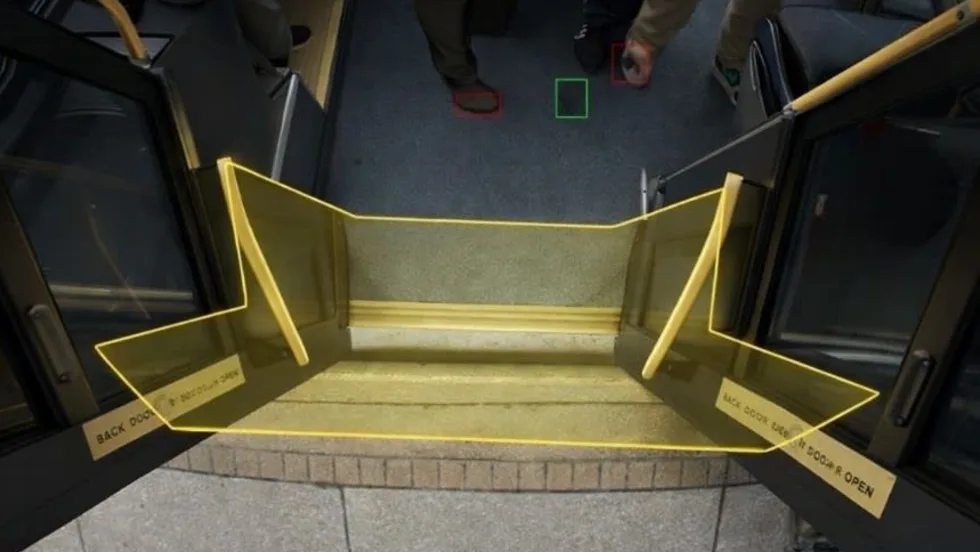
Sponsored•August 18, 2026
How VaporVision Adds Value to Transit Door Systems
Wabtec engineers explain how the system improves doorway detection, strengthens diagnostics and gives transit agencies and OEMs greater operating flexibility.
Read More →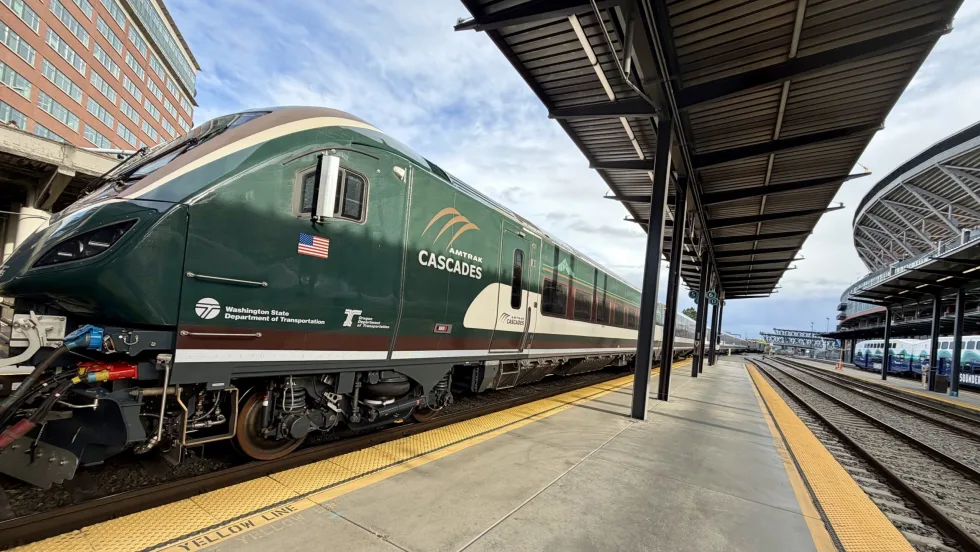
FRA Announces $5.3B in Rail Investments, Including $2B for Amtrak
Funding will support grade-crossing improvements, infrastructure upgrades, and new Amtrak equipment in 23 states.
Read More →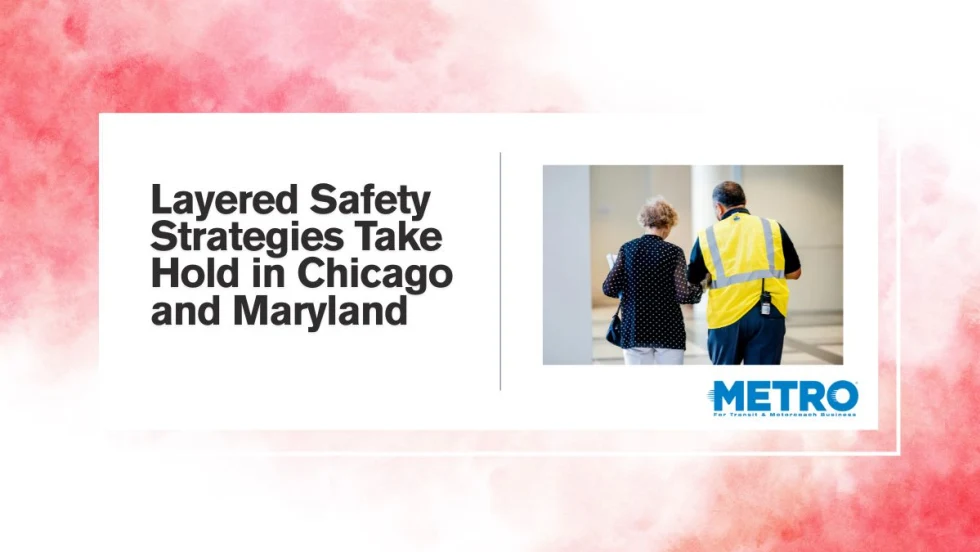
Chicago, Maryland Expand Non-Law-Enforcement Safety, Rider Support
The CTA and MTA are launching new programs aimed at de-escalation, crisis response, rider assistance, and greater transparency.
Read More →
LA Metro, City of West Hollywood, and Partners Advance Smarter Bus Lane Enforcement
The award-winning partnership combines AI-powered detection with human oversight to improve bus reliability, accessibility, and enforcement efficiency.
Read More →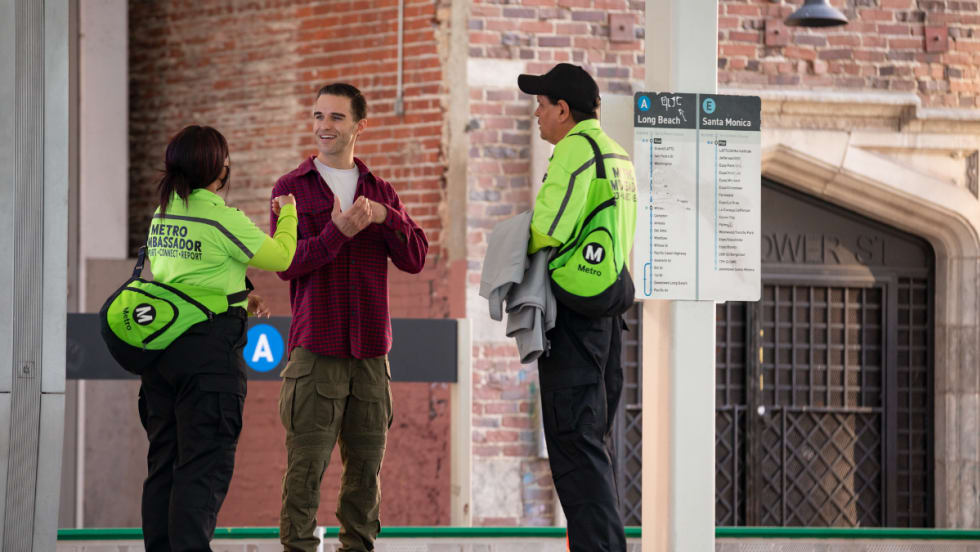
LA Metro Reports 57% Decline in Homelessness on Transit System Since 2024
The agency's latest homelessness count offers new data on how care-based services and cross-sector partnerships can complement traditional transit security strategies.
Read More →
FTA Launches 'Transit Moves America' Dashboard to Highlight Agency Safety and Performance
The online dashboard transforms National Transit Database information into a public-facing resource that allows users to compare transit agencies on key operational and safety metrics.
Read More →