



York Region Transit to take part in Canadian battery-electric bus demo
Will purchase six electric-powered heavy-duty transit buses from New Flyer Industries and Nova Bus, with overhead-charging stations being designed and manufactured by Siemens and ABB Group.


Canada’s Regional Municipality of York confirmed its involvement in the Pan-Ontario Electric Bus Demonstration and Integration Trial by approving the purchase of six fully battery-electric transit vehicles to operate in the town of Newmarket, Ontario. The Canadian Urban Transit Research and Innovation Consortium (CUTRIC) brought York Region Transit together with funding partners, research teams, technology tools, and manufacturing stakeholders.
The York Region project is unique as it is the first time an e-bus project is being supported by a power provider, Newmarket-Tay Power Distribution Ltd. (NTPDL). They have pledged to purchase and maintain the overhead on-route charger in Newmarket to power the transit vehicles.
The Regional Municipality of York will purchase six electric powered heavy-duty transit buses from two Canadian transit vehicle manufacturers (four buses from New Flyer Industries and two buses from Nova Bus). As part of this trial, overhead-charging stations will be designed and manufactured by Siemens and ABB Group. Both manufacturers will produce the pole mounted pantograph system that uses an open protocol known as the OppCharge protocol — first jointly developed by Siemens and Volvo Bus Corp. The protocol standardizes the design of the robotic off-board pantograph that connects the charging station to the bus, communications between the bus and the charger, and performance metrics of the overall system.
The trial aims to encourage long-term job growth in e-bus manufacturing and overhead charging system design and development in Canada in the future.
York Region Transit is joining a consortium of partners in several jurisdictions in Canada that have collectively sought financial support from the Government of Canada, the Province of Ontario and several municipal jurisdictions. The trial will integrate proposed neutral third-party vehicle and system analyses by the National Research Council of Canada, the University of Ontario — Institute of Technology, York University, Brock University, University of Quebec in Trois-Rivières, and the University of Victoria. St. Clair College will also help to lead the development of a training program for e-bus and charging system maintenance staff.
More Technology
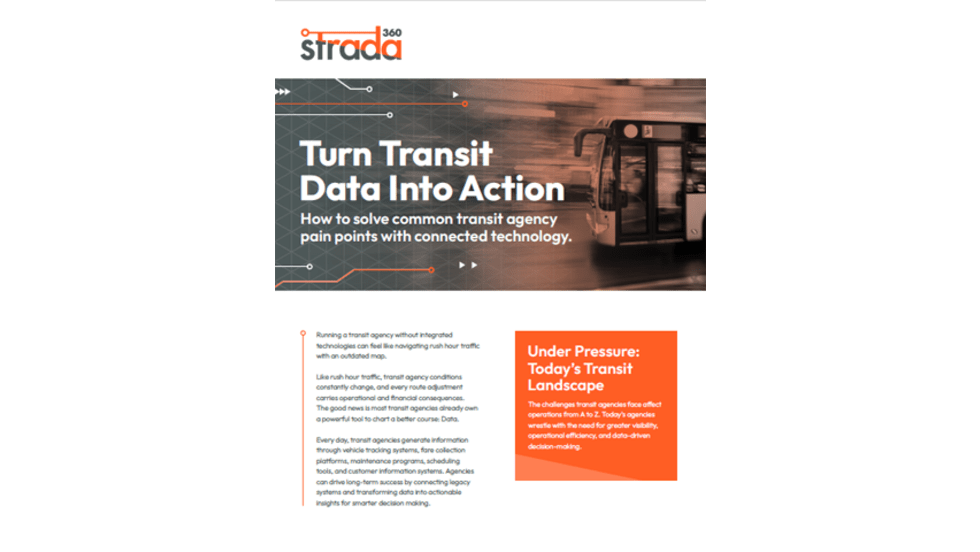
Turn Transit Data Into Action
Discover how leading agencies are using connected technology to gain real-time visibility across operations, improve service reliability, and reduce disruptions.
Read More →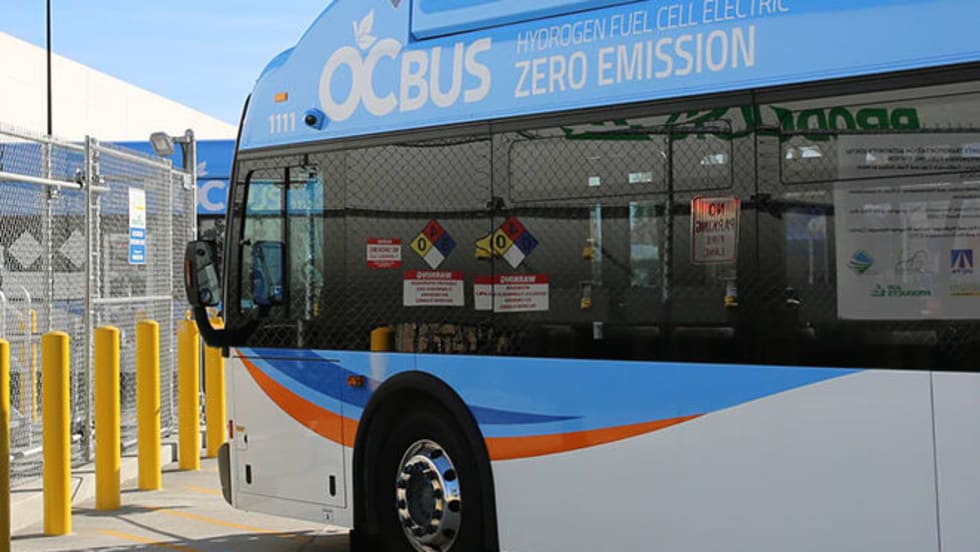
Biz Briefs: OCTA Taps Clean Energy for Hydrogen Station, Stadler to Supply Via Rail Vehicles, and More
From manufacturers and suppliers to transit agencies and motorcoach operators, these updates offer a snapshot of the projects, partnerships and business moves driving the industry forward.
Read More →
CharterUP Expands Into New Mobility and Autonomous Transportation
Vice President of New Mobility Stephen Joos discusses how CharterUP is leveraging its nationwide transportation network, technology platform, and autonomous vehicle partnerships to expand into workforce mobility, campus shuttles, and transit solutions.
Read More →
METRO Magazine Announces 2026 Innovative Solutions Awards Winners
Projects Recognized for Advancing Mobility Through Technology, Accessibility, Workforce Innovation, and Operational Excellence
Read More →
Cummins Introduces Phased Model Year 2027 Launch Strategy
According to officials, the approach is designed to maintain regulatory compliance, support customer production schedules, and provide additional time to ramp production in a disciplined manner that helps ensure a successful transition for the industry.
Read More →
Biz Briefs: STV teams with Amtrak, Motorcoach Operators Boost Fleet and Land Contracts, and More
From manufacturers and suppliers to transit agencies and motorcoach operators, these updates offer a snapshot of the projects, partnerships and business moves driving the industry forward.
Read More →
DART Taps Nathaniel P. Ford Sr. as Next President/CEO
Since 2012, Ford has served as the CEO of the Jacksonville Transportation Authority
Read More →
AC Transit’s Cecil Blandon on Building the Next Generation of Transit Maintenance Leaders
The agency’s maintenance chief discusses leadership, workforce development, zero-emission technology, and preparing technicians for the future of public transportation.
Read More →
California High-Speed Rail Authority Signs MOU to Advance High Desert Corridor
The agreement deepens collaboration between the California High-Speed Rail Authority and the High Desert Corridor Joint Powers Agency, supporting design integration, cost savings, and faster delivery of a key Southern California rail link.
Read More →
Building the Next Generation of Transit Technology
In this edition of METROspectives, Luminator CEO Magnus Friberg discusses the company's transformation, the growing role of AI and software, and what's next for transit technology.
Read More →