



Oregon Ironworks builds first U.S.-built modern streetcar
The first modern streetcar built in the U.S. should be in service in Portland by the beginning of 2009.
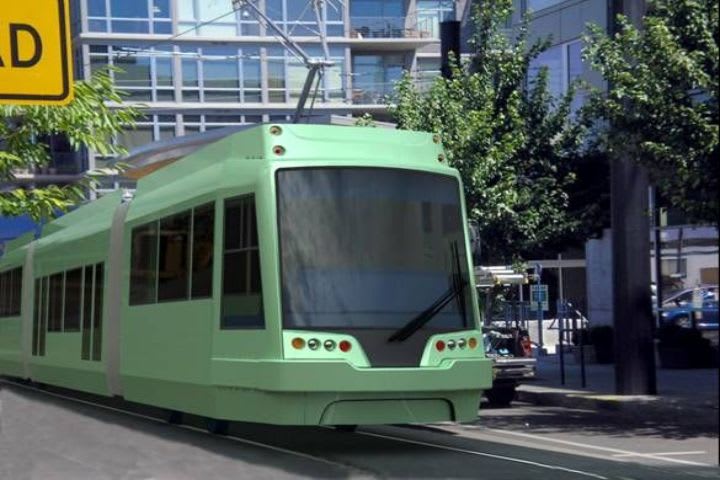
[IMAGE]MET11Streetcar-Oregonrender.jpg[/IMAGE] To this point, modern streetcars have been built outside of the U.S., with many streetcar systems in the country using models manufactured by Czech Republic-based companies Skoda and Inekon Group. This is expected to change by the beginning of 2009, when Portland, Ore.-based Oregon Ironworks’ subsidiary, United Streetcar LLC, unveils the first modern streetcar built in the U.S. on the Portland streetcar system.
“I couldn’t believe no modern streetcars were being built in the U.S.,” explains Chandra Brown, VP for Oregon Ironworks. “I knew the qualifications of my company and that we could build these streetcars. We went on the path of figuring out how we can add them to our product mix.”
Brown explains that due to global climate change and rising gas prices, the time was right for Ironworks to look at expansion into the public transportation sector. Soon, the company went out to find a partner to help in the design of the new vehicles, meeting with both Czech manufacturers before deciding to forge an exclusive partnership with Skoda, which also builds the traction and propulsion systems.
“Our upper management recognizes the enormous interest that the country has for reintroducing these types of vehicles in the U.S. and has seized the opportunity to help make that possible,” says Leon Kaunitz, program manager for both Oregon Ironworks and United Streetcar LLC.
Brown adds that her company is in an ideal situation at this point, because, despite the fact that U.S. streetcar projects aren’t being funded as quickly as most would like, the small production runs suit them well.
“A lot of the big companies aren’t going to set up a production line and do a whole new design of something,” says Brown. “It’s not like light rail, you’re not going to get orders for a hundred of these. So, we think that it’s a perfect kind of niche market for us, we’re more than happy to do two, three cars at a time.”
Despite the lack of U.S. companies building modern streetcars, Brown and Kaunitz say there is much competition worldwide from companies in Spain, France, Germany, Japan and, of course, the Czech Republic, that they hope to gain an upper hand on.
“We went into it knowing full well about all these foreign competitors, but we really believe that the U.S. can compete,” says Brown. “We manufacture things differently here than they do overseas. We are cost effective and feel it will be more convenient for our customers, who can call somebody at any time instead of trying to deal with somebody that is overseas.”
The new modern streetcars that Oregon Ironworks are manufacturing — one model for cold weather cities and one for warm weather — were completely upgraded by Kaunitz and his team to meet Buy America standards. The modern streetcars feature a quieter more comfortable ride and will address ADA concerns by being easy to enter and exit the vehicle. Beyond that, Oregon Ironworks is reluctant to let go of too many of their secrets just yet.
However, they are ambitiously waiting the influx of streetcar systems in the U.S. and are already looking forward to what the future may hold.
“Once we start producing these streetcars that began through a partnership with Skoda, our intention is to continue to meet the evolving requirements of the U.S. market,” says Kaunitz. “The next step is to transform this model so that you will see less of the original, but instead see an improved look over both the international car and the revised Buy America version.”
Some future plans of improvement for Oregon Ironworks include a five-body streetcar in addition to the three-body streetcar, moving into higher speeds that could compete in the light rail market, and doing away with catenaries and moving toward independent propulsion systems, such as battery power.
The new modern streetcar will be running in Portland around the beginning of 2009, with Oregon Ironworks also in competition for the Tucson, Ariz. streetcar project and for Portland’s Eastside Loop extension.
More Rail
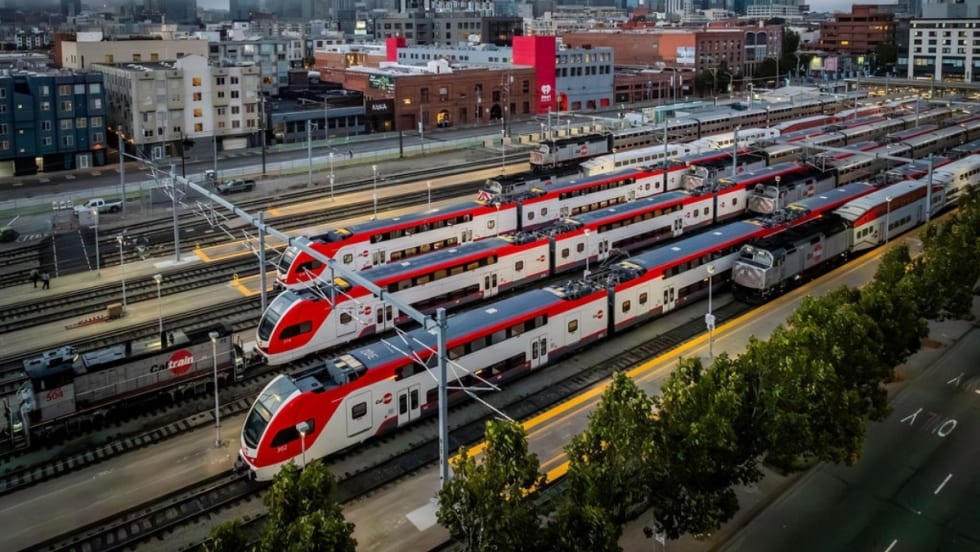
Caltrain Board Approves FY27 Budget, Endorses Efficiency Measures
The move ensures Caltrain service will continue operating as usual in the near term, but long-term financial challenges remain for the rail agency absent a new revenue source.
Read More →
Alstom Acquires Delaware Site to Support Amtrak NextGen Acela Fleet
The company is investing more than $55 million to acquire and improve the property and will employ approximately 100 people at this site once it is operational.
Read More →
When Routine Fails: How Public Transit Must Adapt for the World Cup
The 2026 FIFA World Cup will test transit agencies’ ability to manage unpredictable travel patterns, making real-time data and operational flexibility critical to moving millions of visitors efficiently.
Read More →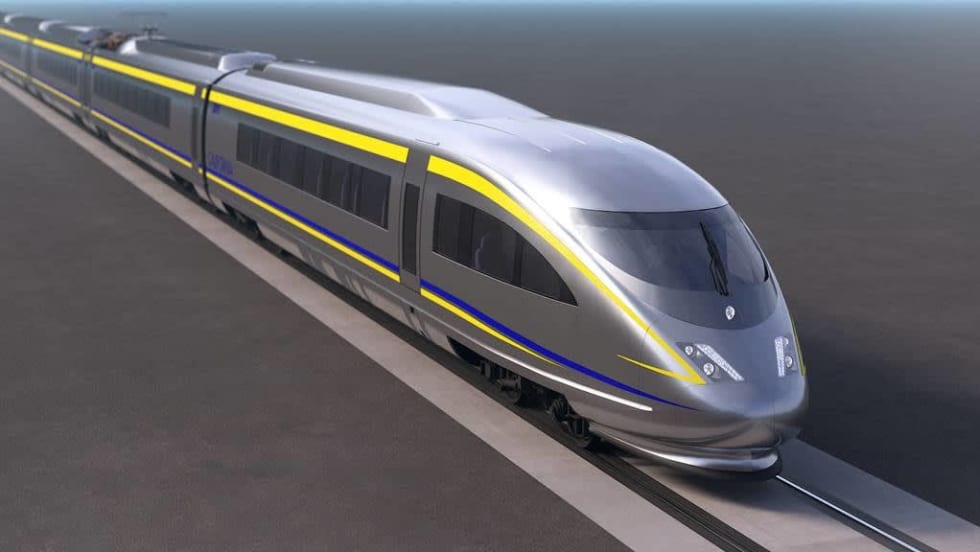
California Selects Team for Nation’s First True High-Speed Rail Track and Systems Contract
The board action follows completion of track installation at the 150-acre southern railhead in Kern County, which will serve as the staging and distribution hub for high-speed track and systems installation.
Read More →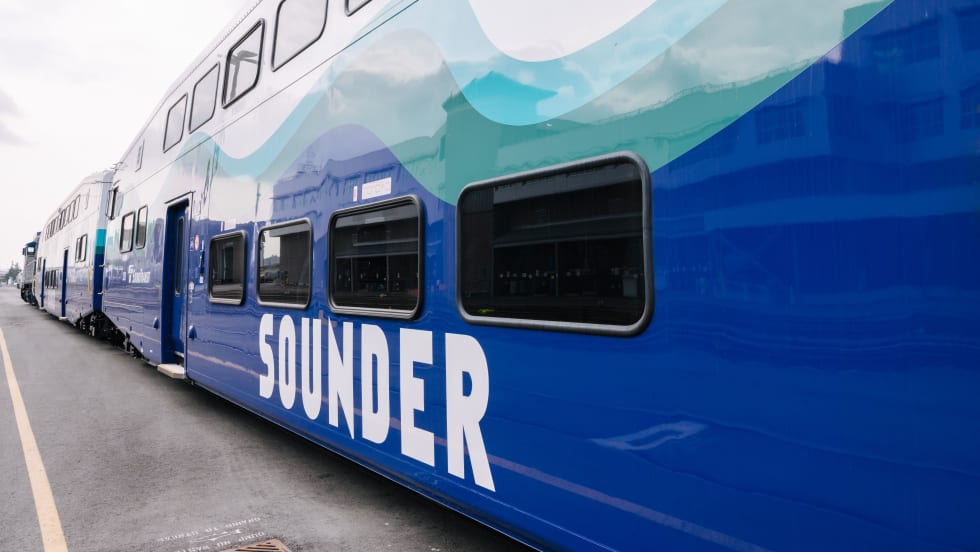
Seattle's Sound Transit Launches New Sounder Railcars into Service
Alstom manufactured all the cars under a $46.5 million contract and came into service in anticipation of summer crowds for soccer and baseball.
Read More →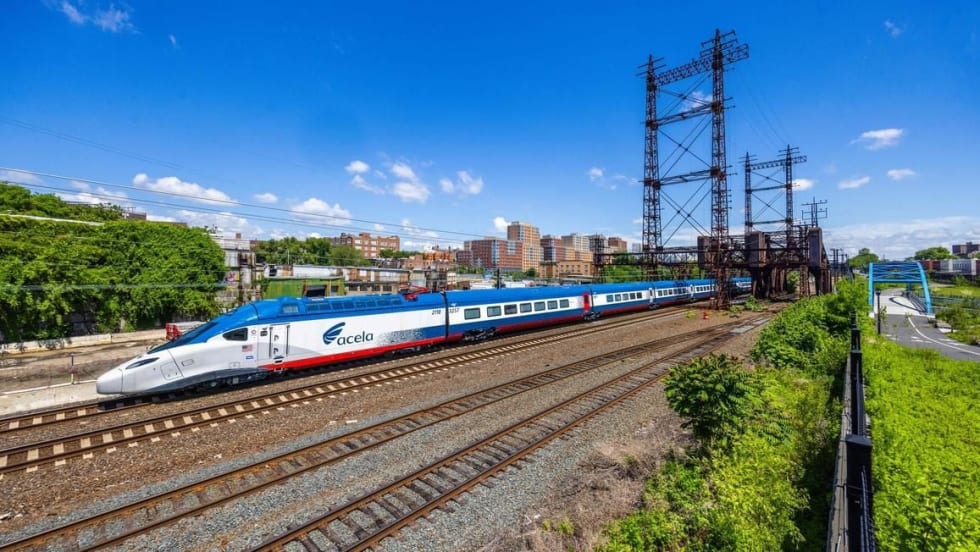
Alstom Partners With Universities to Build Rail Talent Pipeline
The partnerships include a new engineering scholarship fund at Alfred State College in Western New York and collaborations with transportation centers at the University of Pennsylvania and New York University.
Read More →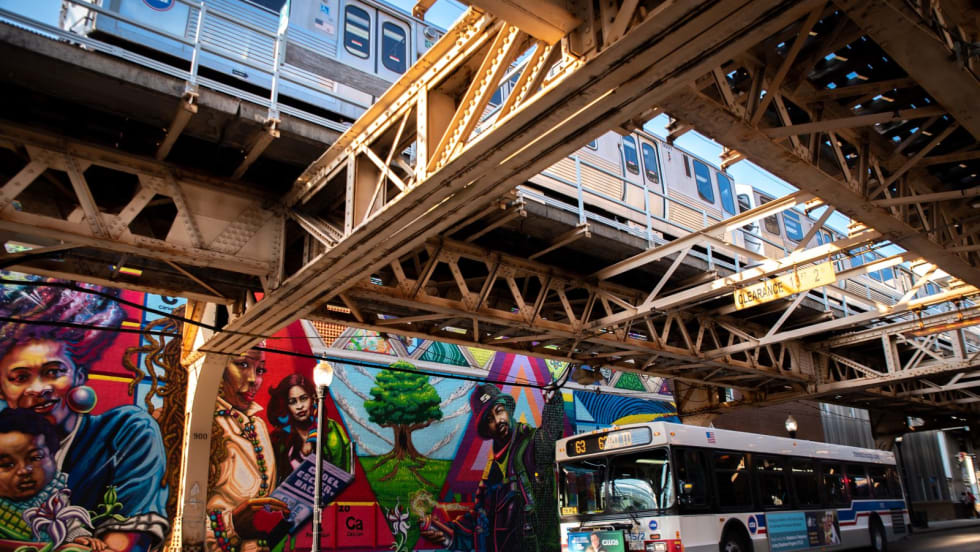
Chicago's NITA Act Moves Into Next Phase as Service Improvements Begin
Rider-focused improvements will begin rolling out across the system immediately as CTA, Metra, and Pace increase service this summer in the six-county region.
Read More →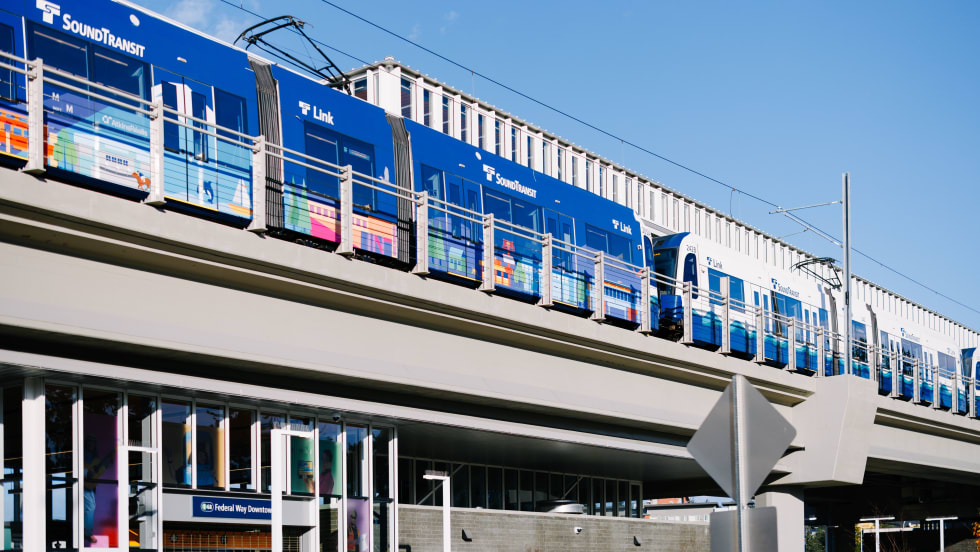
Seattle’s Sound Transit Adopts Updated ST3 System Plan
The updated system plan incorporates cost savings across the agency, including new revenue sources and financial policies, to set the agency on a sustainable path for the future.
Read More →
Inside Look: EMBARK Expands Fare-Free Transit Program Through New Public-Private Partnership
The OKC transit agency says sponsorship helps subsidize the Third Friday Free initiative while reducing barriers for first-time riders and boosting ridership across buses, streetcars, and river cruises.
Read More →
North Carolina's Metropolitan Transit Commission Concludes Decades of Leadership
To commemorate the occasion, current members of the MTC were presented with a custom painting of the Charlotte Transportation Center in Uptown.
Read More →