



Wildcat strike leaves Toronto stranded
In May, 800 mechanical workers walked off the job to call attention to a series of disputes between the union and the Toronto Transit Commission.

A month-long labor management dispute bubbled over into a wildcat strike in Toronto, at the beginning of Toronto Public Service Week, leaving many citizens stranded in record-breaking heat until a second return-to-work order was acknowledged in time for the afternoon commute. The spontaneous strike began when 800 mechanical workers walked off the job on May 29 to call attention to a series of ongoing disputes between the union and the Toronto Transit Commission (TTC), in particular a plan to switch more than 100 cleaning and tract maintenance workers to permanent night shifts. On the day the new scheduling was set to begin, several of those workers whose schedules were switched didn’t show up for their new shift. The situation was intensified when operators and other workers refused to cross the picket line, essentially shutting down the entire Toronto transit system. The Ontario Labour Relations Board acted quickly and issued a return-to-work order early that morning, but the order was ignored. An additional return-to-work order issued by the labor board later in the day ended the wildcat strike in time for the afternoon commute; however, the restored service was anything but smooth, with some lines not functioning until the early evening. The strike caught many Toronto citizens by surprise, forcing them to walk, share cabs or find some other means of transportation on what was one of the hottest and smoggiest days in the city’s history. Both the union and the TTC are blaming one another for the strike. Bob Kinnear, president of Toronto’s local Amalgamated Transit Union, repeatedly denied responsibility for calling the strike, saying that it was a spontaneous decision by its members to call attention to their situation. In the aftermath, the TTC is intent on collecting the estimated $2 million to $3 million in lost fares from the union and at press time was still weighing the option of suing. The TTC also planned on docking a day’s pay from the checks of the 800 mechanical workers who walked off the job, but said that those drivers and other workers who refused to cross the picket line would not be fined. Many commission members are calling for a punishment similar to the $1 million per day that the transit union in New York City was forced to pay following its illegal walkout last year. In addition, under the Ontario Labour Relations Act, the board can issue fines of up to $25,000 per day against the union and up to $2,000 per member for ignoring the return-to-work order. In hopes of rectifying the situation with the public, the TTC offered $4 each to any patrons who presented their monthly or weekly pass — a pledge that would pay $840,000 back to an estimated 210,000 pass holders.
More Management
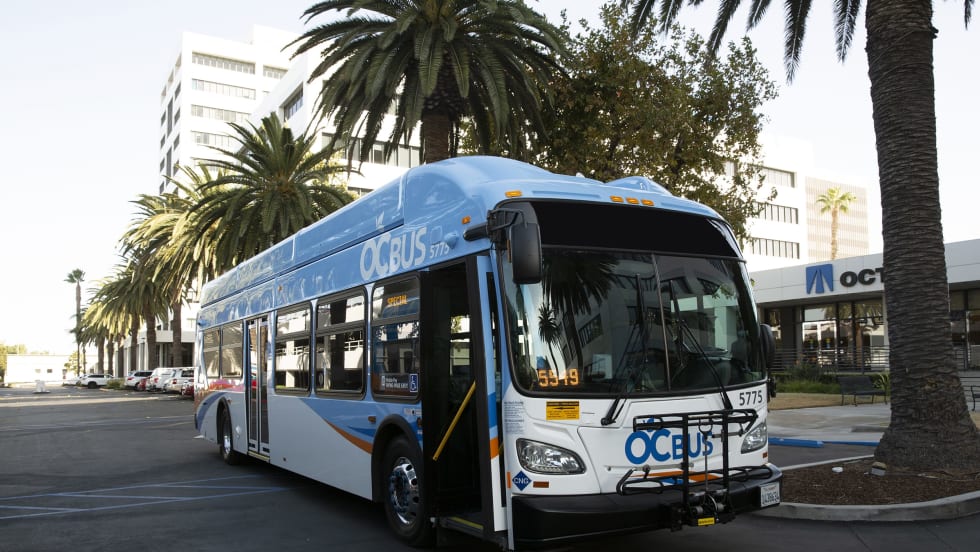
OCTA Approves $2 Billion Budget for FY 2026-27, Prioritizing Transit Investments
More than half of the agency’s upcoming spending plan is dedicated to transit as OCTA balances infrastructure investment with fiscal stability.
Read More →
Joshua Schank on Transportation Innovation, Risk, and the Future of Mobility
In this edition of METROspectives, Joshua Schank discusses lessons from launching LA Metro’s Office of Extraordinary Innovation, the challenges of advancing new mobility technologies, and much more.
Read More →
Reinventing Fleet Maintenance with Real-time Visibility and AI
Transit leaders need to know what needs fixing, where to look, who is responsible, when work is completed, and what it costs without having to chase information across disconnected systems.
Read More →
Alstom Acquires Delaware Site to Support Amtrak NextGen Acela Fleet
The company is investing more than $55 million to acquire and improve the property and will employ approximately 100 people at this site once it is operational.
Read More →
SamTrans Sets Priorities for Potential Connect Bay Area Revenue
The board-approved framework allocates future funding to maintaining service, rider improvements, equity initiatives, and infrastructure repairs.
Read More →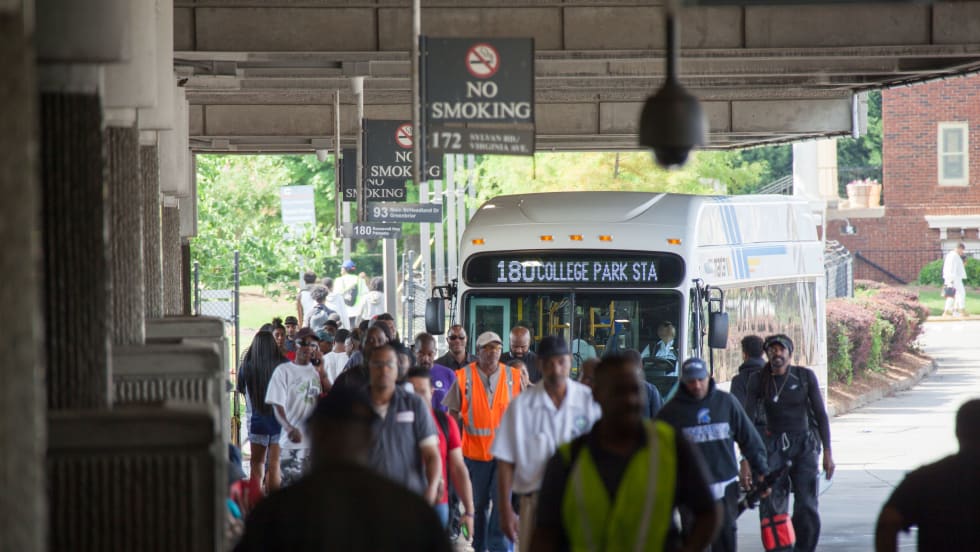
Federal Transit Officials Launch MARTA Safety Probe
FTA has given MARTA 15 days to provide records on crime prevention, fare evasion enforcement, and security funding as part of a broader safety investigation.
Read More →
ABA's Ferguson Testifies in Support of BUS Act, National Standards for Bus Operators
The BUSES Act would create a nationwide framework preventing state and local governments from enforcing bus idling restrictions of less than 15 minutes, a threshold consistent with existing Environmental Protection Agency guidance.
Read More →
When Routine Fails: How Public Transit Must Adapt for the World Cup
The 2026 FIFA World Cup will test transit agencies’ ability to manage unpredictable travel patterns, making real-time data and operational flexibility critical to moving millions of visitors efficiently.
Read More →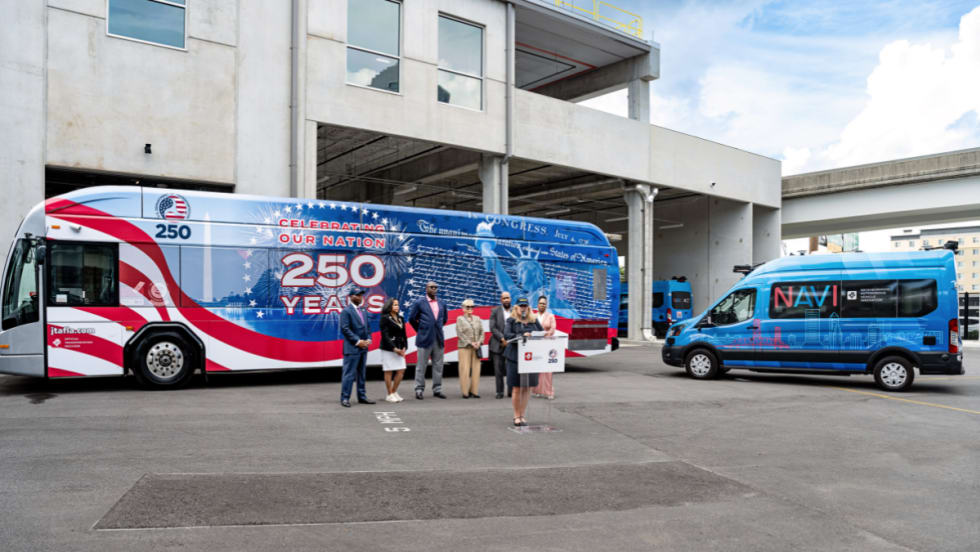
Florida’s JTA Puts Innovation in Motion Ahead of America250
The agency unveiled a commemorative America250 bus during a visit from U.S. DOT's Seval Oz and showcased its autonomous mobility programs.
Read More →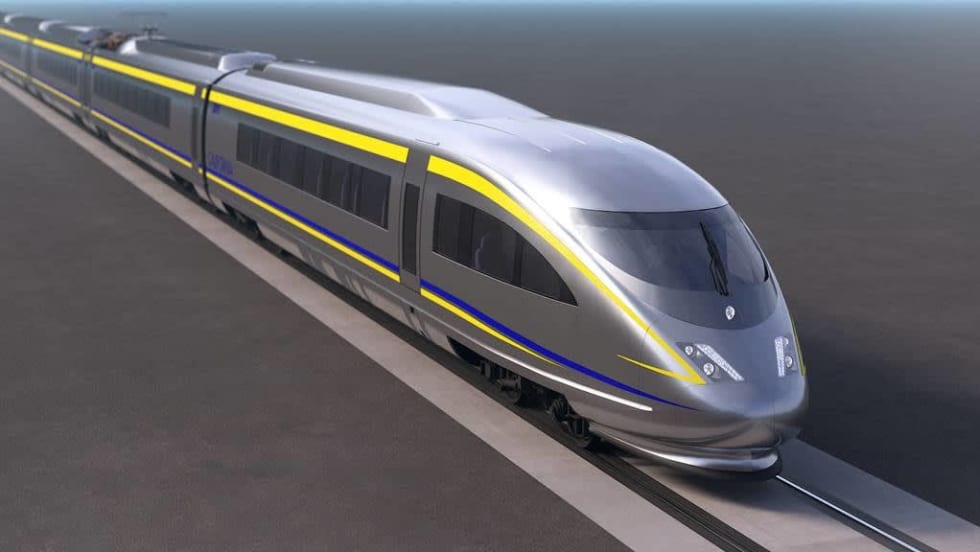
California Selects Team for Nation’s First True High-Speed Rail Track and Systems Contract
The board action follows completion of track installation at the 150-acre southern railhead in Kern County, which will serve as the staging and distribution hub for high-speed track and systems installation.
Read More →