




During the day of Sept. 11 and the days that followed, the men and women of MTA New York City Transit (NYCT) worked tirelessly to help bring the city back to some form of normalcy. In the hours immediately after catastrophe struck, however, the uppermost concern was to lend as much help as possible to the rescue effort — both men and machines. Within an incredibly short period of time, NYCT mobilized its forces from around the city and began converging on ground zero. Equipment, including cranes, front-end loaders, dump trucks and truck-sized mobile generators, were all sent to the scene of the disaster. Transit also sent truckloads of small equipment — face masks, vests, flashlights — to the scene. Within that movement were five blocks of heavy equipment and 3,500 transit employees, all ready, willing and extremely able to do their parts. The rescue effort was an unprecedented one, with NYCT employees working in hellish conditions alongside firefighters, police officers, sanitation workers and military personnel. Fires were still burning, the area was thick with smoke and the towering piles of rubble were extremely unstable. During the initial three days, many of the ironworkers seen cutting steel beams were transit employees working to clear the way so that firefighters could free trapped victims. Most of them found themselves laboring through triple shifts in a Herculean effort to move thousands of tons of rubble in the hope of finding any sign of life. Aside from workers involved in the rescue effort, an army of employees from stations, infrastructure, hydraulics and electrical were on duty in the heart of the financial district working to remove from the subway system the dust and debris generated by the massive collapse. “We had a lot of exhausted people, who just refused to stop and take a rest,” says NYCT President Lawrence G. Reuter. “Many of them worked around the clock in the early days of this tragedy. They were either at the site participating in the rescue effort, guiding our customers around changes in service or back in the office working on new service plans and customer information materials. I am extremely proud of the effort put in by everyone at NYCT.” A first-hand view Scores of NYCT employees located in offices in lower Manhattan witnessed the events unfolding from just blocks away. They were evacuated from their building in the wake of the first impact. It was not lost on anyone that there would be casualties, but the staggering number of victims left all stunned. Compounding the sorrow and resolve of transit employees was the knowledge that hundreds of first responders — firefighters, NYC and Port Authority police officers and emergency medical technicians were among the missing. Despite the horror of the events covered by the television news, for many at NYCT one early scene stood out — the operator of a soot-coated NYCT bus accepting as many passengers as he could fit into his vehicle so that he could carry them out of harm’s way. He was one of scores of NYCT bus operators who filled their buses and then carried their passengers to safety. However, there were also a lot of scenes that didn’t show up on television. Rapid Transit Operations and Stations employees quickly moving trains into stations and evacuating customers, conductors working hard to keep riders informed of developments. Hundreds of employees were giving out information at street level and scores of transit employees, both below and above ground, took charge of the situation, putting their safety at risk to protect civilians. Also, with regular communications all but cut off, transit’s telephone communications technicians worked at the scene to run temporary phone lines for the emergency services. NYCT’s Public Affairs Department was staffed 24 hours a day, providing information to newspapers, radio and TV stations around the world. The work was supported by the employees of MetroCard Operations, who produced subway maps for both the Website and distribution to stations. The department also provided printed service information updates. On several occasions since the incident, Reuter has taken the opportunity to praise the work done by NYCT employees. “Under remarkably difficult conditions, NYCT employees continued to move New York City while thousands of our coworkers were at the disaster scene trying to find survivors and helping to return the city to life,” he says. While none of us will ever forget the Sept. 11 attack on our city, we will also remember how NYCT employees moved quickly and unselfishly to help save lives and keep the city moving. As the rebuilding effort gets underway, NYCT will be there, too.
NYCT Aids in Disaster Relief Efforts
NYCT employees dig through the rubble and provide equipment in an attempt to find survivors.
More Management

How Motorcoach Operators Can Prepare for a Private Equity Sale
Essential strategies to strengthen your business before entering a private equity transaction.
Read More →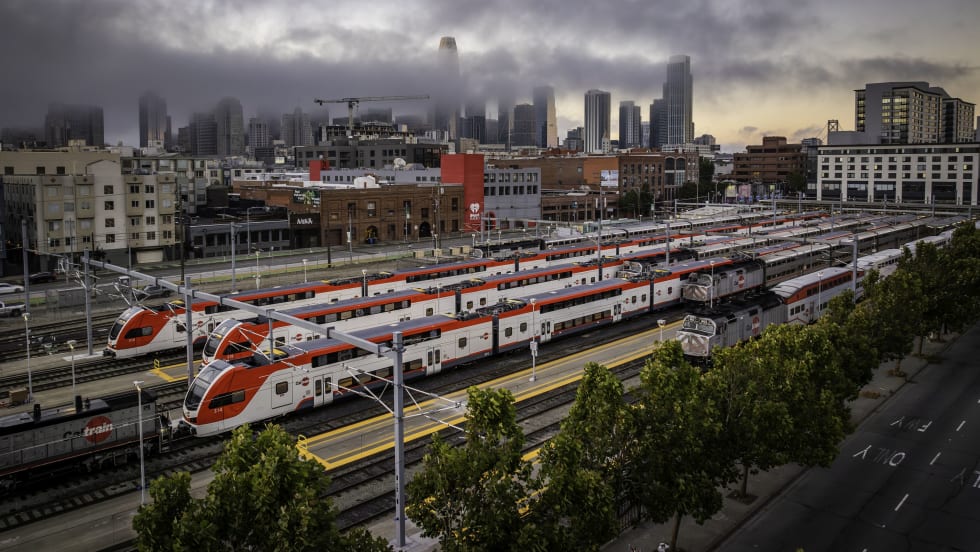
Funding Gap Could Force Caltrain to Slash Service, Close Stations
The Peninsula Corridor Joint Powers Board recently met for a budget workshop, during which staff outlined the significant service reductions Caltrain could be forced to make without new external funding.
Read More →
NFI Group Taps New MCI President and More in People Movement
In this edition, we cover recent appointments and announcements at Alstom, VIA Metropolitan Transit, Transdev US, and more, showcasing the individuals helping to shape the future of transportation.
Read More →
Manhattan’s Central Business District Travel Climbs to 6.3 Million Daily Trips as Transit Leads Growth
Although volumes remain below pre-pandemic levels, NYMTC’s latest Hub Bound report shows rising transit use, shifting commute patterns, and continued recovery.
Read More →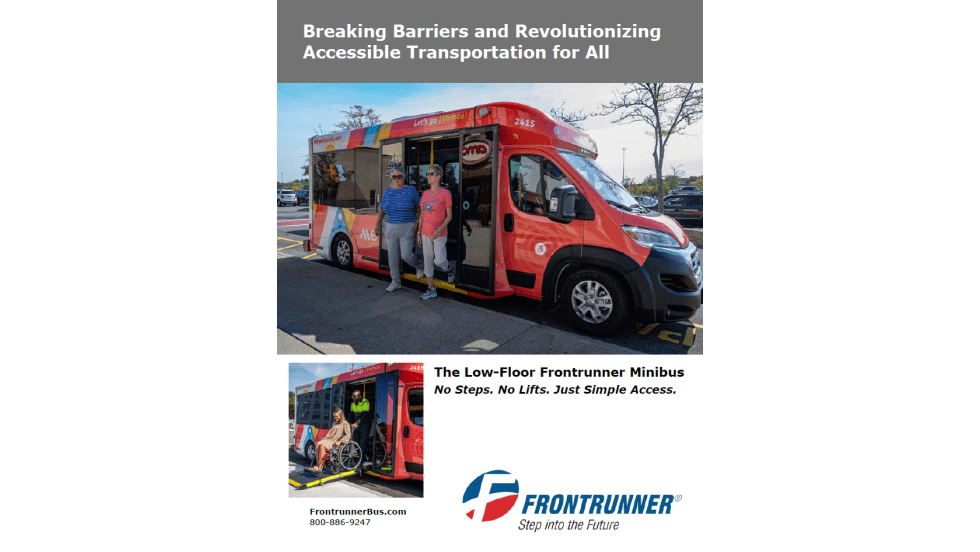
Breaking Accessibility Barriers with the Low Floor Frontrunner Minibus
Accessible transit isn’t a feature—it’s a responsibility. This whitepaper explores how the Low-Floor Frontrunner is redefining mobility with a breakthrough design that removes barriers, empowers riders, and delivers measurable operational advantages for agencies. Discover why this next generation minibus is setting a new standard for inclusive transportation.
Read More →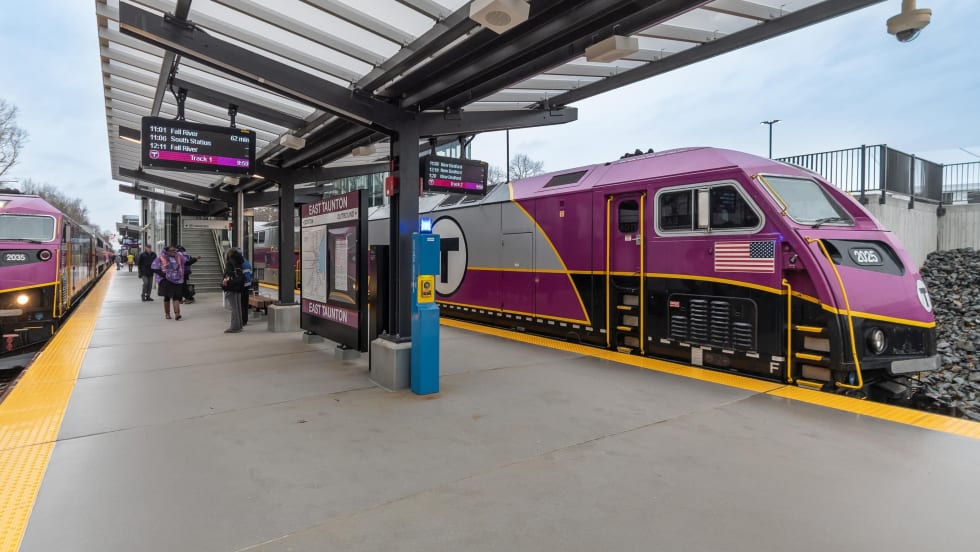
Massachusetts Announces Summer Savings for Commuter Rail Riders
With major events and increased travel expected across the state this summer, the Administration is focused on making sure people have a reliable, affordable alternative to driving so we can reduce congestion, support daily commuters, and keep Massachusetts moving.
Read More →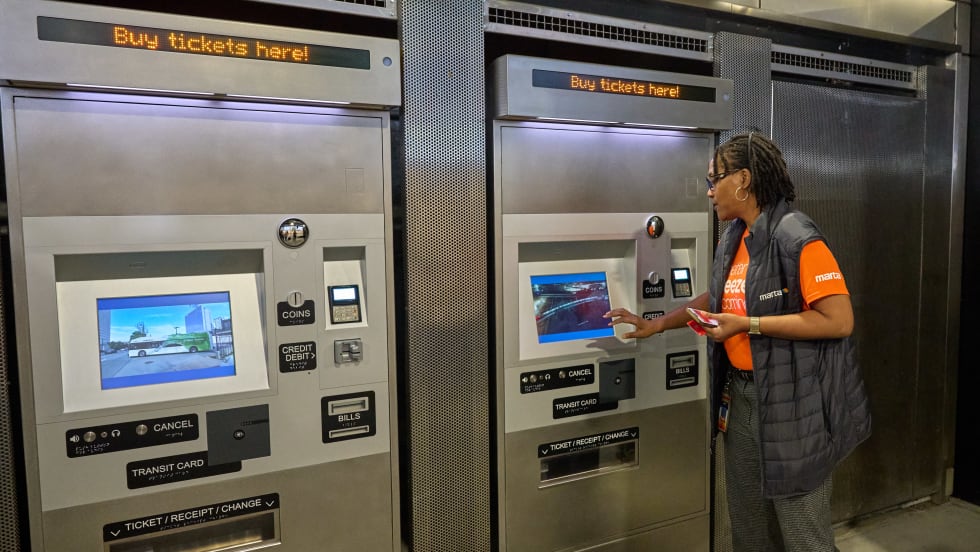
Updated: MARTA’s New 'Better Breeze' Fare System Goes Live
The new system introduces tap-to-pay, touchscreen kiosks, and updated Breeze cards, with both old and new systems running through May.
Read More →
ABA Marketplace Drives $124.9M in Business, New Report Finds
As the American Bus Association marks its 100th year, a new ABA Foundation report highlights the Marketplace’s role as a key revenue engine for the bus and group travel industry.
Read More →
How Coach USA Is Using AI to Prevent Bus Accidents
As motorcoaches navigate increasingly congested urban corridors filled with pedestrians, cyclists, scooters, and distracted drivers, safety leaders across the industry are confronting a growing challenge: visibility.
Read More →
WMATA Proposes Revised FY2027 Budget as System Marks 50 Years of Service
Updated financial plan reflects ridership growth and cost controls as the Washington region’s transit system celebrates five decades of operations.
Read More →