




Bus rapid transit (BRT) can work in concert with existing public transportation at a considerable savings over the cost of installing light rail transit (LRT), said a study done by the U.S. General Accounting Office (GAO). “This study shows that BRT can work in concert with existing light rail lines and allow an immediate reduction in the traffic and congestion that has gripped our communities,” said U.S. Representative Tom Tancredo (R-CO) when unveiling the results. “Most importantly, BRT can accomplish this at a fraction of the cost of light rail.” In the cities the GAO reviewed, BRT systems generally had lower capital costs per mile than LRT, though neither had a clear advantage in operating costs. Capital costs for BRT ranged from $200,000 per mile for an arterial street-based system to $55 million per mile for a dedicated busway system. LRT systems had capital costs that ranged from $12.4 million to $118.8 million per mile. The study reported that both BRT and LRT offer various advantages and disadvantages. BRT provides a more flexible approach than LRT because buses can be routed to eliminate transfers, implemented in stages and operated on busways, HOV lanes and city arterial streets. As a result of the poor public image that buses have, transit planners are designing systems that offer improved service from standard bus service, including signal prioritization and better stations or shelters. Transit officials believed that because LRT is permanent in a given corridor it could influence economic development over time, the study said. Such long-term changes help justify the higher capital cost of light rail. The performance characteristics of BRT and LRT also varied, with the largest BRT system ridership about equal to the largest LRT ridership. BRT routes showed gener-ally higher operating speeds than light rail in the reviewed cities. For the full report, go to
BRT more cost-efficient than LRT, says GAO study
Bus rapid transit can work in concert with existing public transportation at a considerable savings over the cost of installing light rail transit, said the study.
More Management
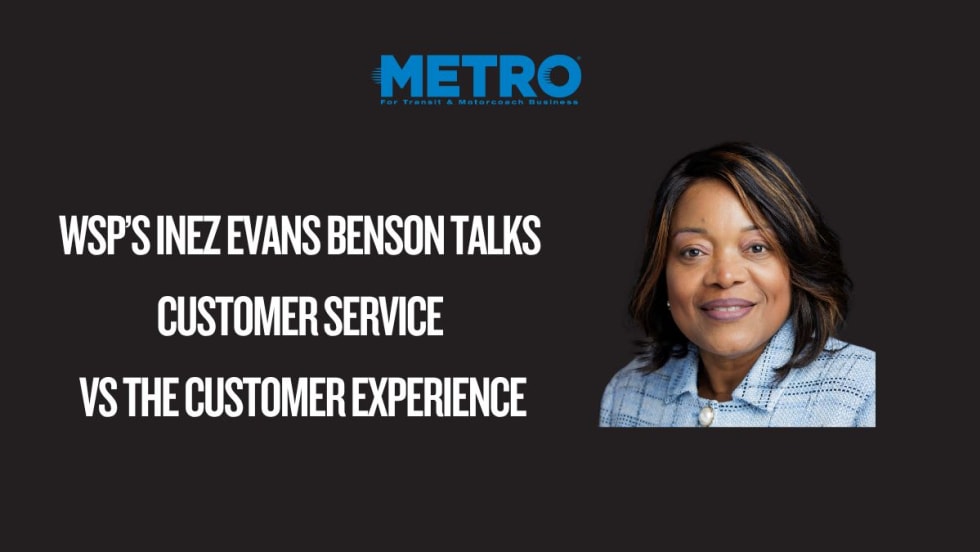
Inez Evans Benson on Rethinking Transit Through Customer Experience
The WSP leader discusses why agencies must look beyond satisfaction metrics and take a more holistic, community-driven approach to service.
Read More →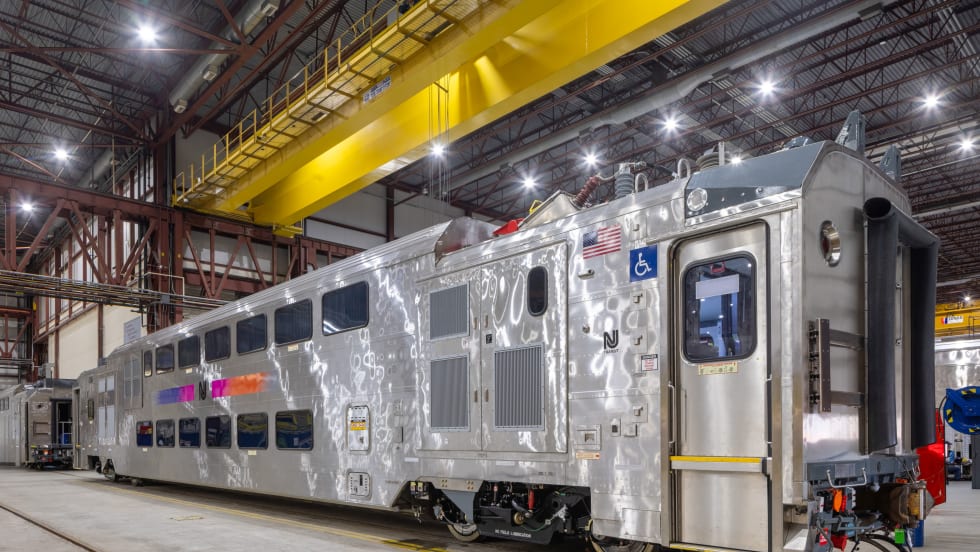
Alstom Delivers First Multilevel III NJ TRANSIT Commuter Railcar
The delivery marks the first car in a 374‑vehicle order and begins the arrival of a new generation of higher‑capacity, more reliable, and more comfortable trains for one of the country’s busiest commuter rail systems.
Read More →
Cincinnati Metro Begins Countywide Bus Stop Sign Upgrade
Metro launches a 24-month project to replace 3,700 bus stop signs, introducing improved visibility, QR-enabled rider info, and expanded amenities across Hamilton County.
Read More →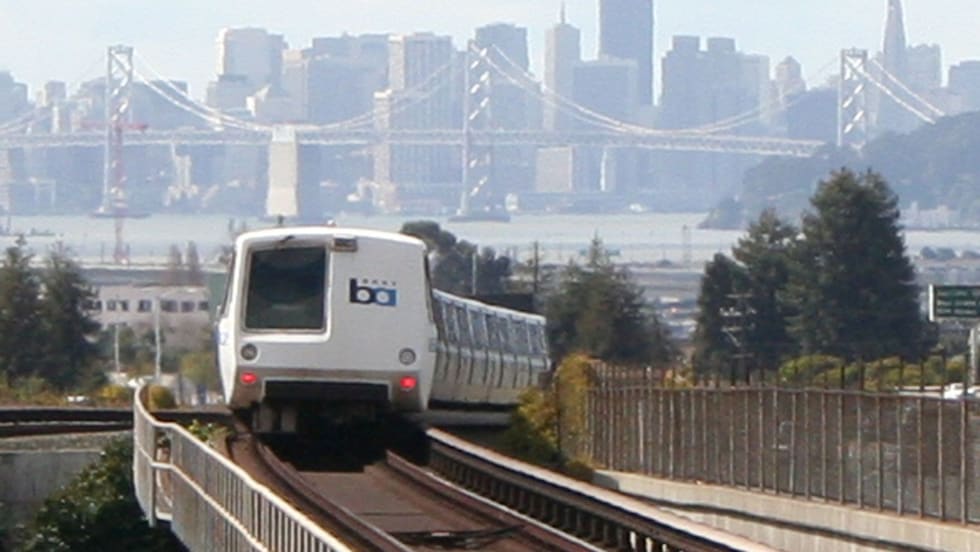
San Francisco's BART Breaks Multiple Records for Post-Pandemic Ridership in March
BART recorded 5,403,140 exits in March, making it the highest monthly ridership since the pandemic and surpassing the previous high set in October 2025 (5,346,890 exits).
Read More →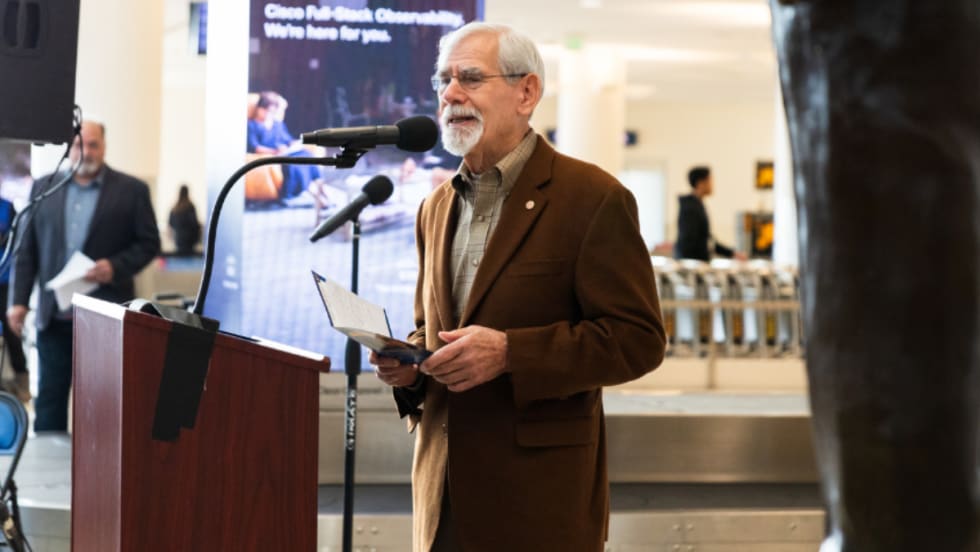
Transit Leader Rod Diridon Sr., ‘Father of Modern Transit’ in Silicon Valley, Dies at 87
See how the longtime public servant and transportation visionary helped shape Bay Area transit systems and championed rail development nationwide.
Read More →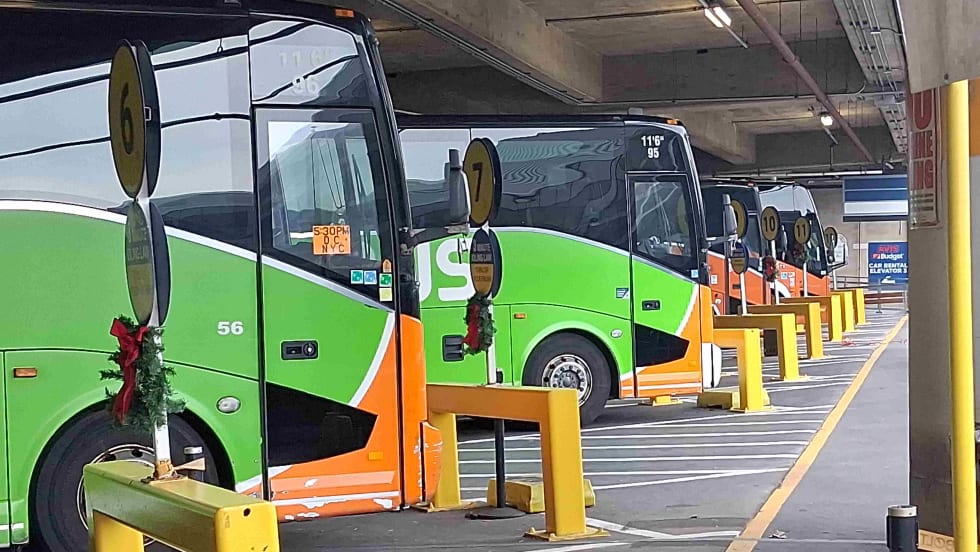
Intercity Bus Industry Outlook: A Mix of Apprehension & Optimism
Industry leaders see both promise and peril ahead as intercity bus travel rebounds, but unpredictable market forces threaten to reshape the sector.
Read More →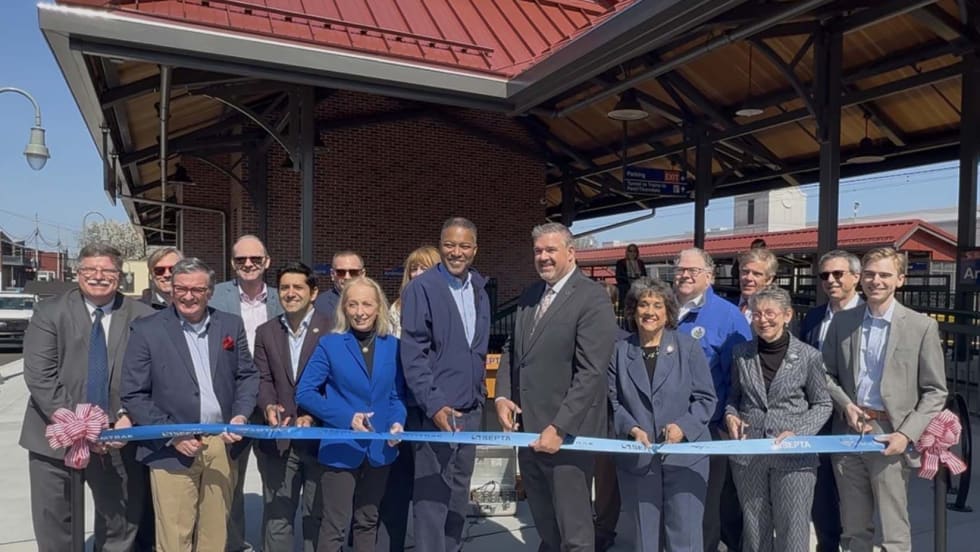
Philadelphia's SEPTA Celebrates New Ardmore Station
The station was rebuilt as part of SEPTA’s Station Accessibility Program, making it fully ADA accessible with new elevators, ramps, and high-level platforms.
Read More →
SEPTA Releases Proposed $2.7B Fiscal Year 2027 Budget
The plan represents an increase of just 1.9% over the current year, and includes investments in new buses, more full-length fare gates, and other enhancements for customers.
Read More →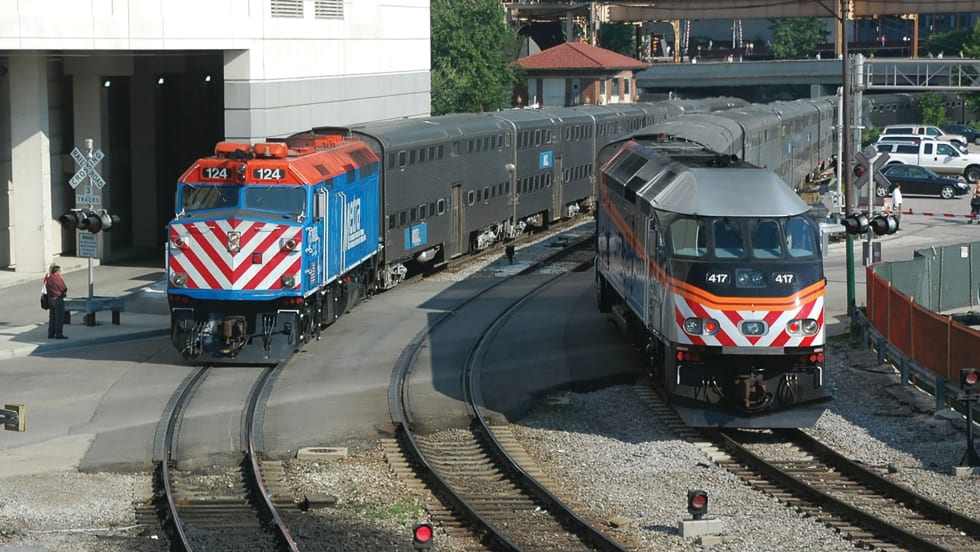
Metra Reaches New 10-Year Agreement with BNSF
The announcement highlights the long-standing partnership between the Class I railroad and the commuter rail system, dating back to Metra's creation in 1983.
Read More →
Bus Tech Talk: AC Transit’s Cecil Blandon on Leadership, Mentorship, and a Career in Transit
In Part 1, Blandon shares his journey from the U.S. Marines to a leadership role in public transit, along with insights on mentorship and professional growth within the industry.
Read More →