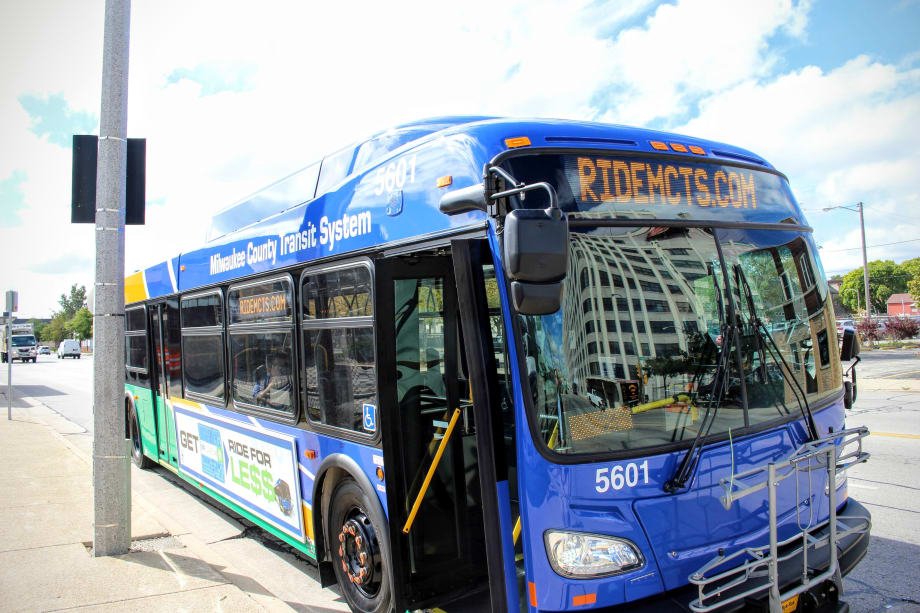
With a fleet of 370 clean diesel buses and a dedicated team of 1,000-plus operators, mechanics, and administrative staff, MCTS provides 30 million rides annually.
MCTS
2 min to read
With a fleet of 370 clean diesel buses and a dedicated team of 1,000-plus operators, mechanics, and administrative staff, MCTS provides 30 million rides annually.
MCTS
The Milwaukee County Transit System (MCTS) reported its Ride MCTS app is now the highest-rated customized transit tracking and mobile ticketing app in North America. In less than two years, the app has been downloaded more than 100,000 times, received thousands of positive reviews, and achieved an average rating of 4.8 out of 5 stars in the iOS App Store.
App users can purchase a 90-minute ticket for $2 or a 24-hour ticket for $5. Some of the app’s other popular features include trip planning, detour alerts, real-time arrival estimates, and live tracking maps — which physically show where a specific bus is at any given moment.
Ad Loading...
Ride MCTS App by the Numbers
100,000: Downloads.
740,000: Tickets purchased.
6,220,000: Times riders have used the app to plan a trip, get arrival information or track a bus.
3,000: Positive reviews left on the Apple App Store.
4.8 out of 5: Average rating on the Apple App Store.
The app was developed in partnership with Tixora, a Wisconsin-based start-up company that has worked with MCTS since 2016.
MCTS, which was honored this year with a prestigious Innovation Award from the American Public Transportation Association, has grown from a single horse-drawn streetcar in 1860 to the largest transit system in the state. With a fleet of 370 clean diesel buses and a dedicated team of 1,000-plus operators, mechanics, and administrative staff, MCTS provides 30 million rides annually.
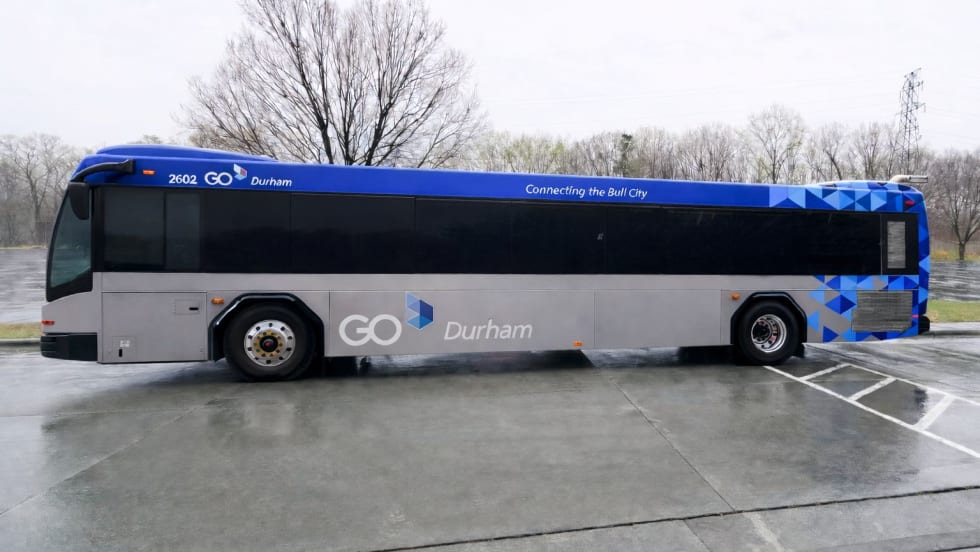
The agency recently introduced more than two dozen state-of-the-art GILLIG buses, which feature improved fuel economy, lower emissions, optimized driver visibility, anti-slip flooring, easier-to-read digital display signs, a stainless-steel understructure designed to reduce salt corrosion, and heated side mirrors to help melt snow and ice.
In this product roundup, METRO highlights transit software platforms designed to optimize scheduling; harness actionable data; and support flexible, on-demand operations.
A major goal of the pilot, which begins in April, is to test the speed, functionality, and durability of new handheld devices to scan Ventra and paper tickets.
Traditionally, bus lane enforcement has relied on manual processes carried out by transit police or parking enforcement officers. While it may be effective in certain municipalities, this approach is resource-intensive and very difficult to sustain.
A phased approach to technology, in-house capabilities, and workforce investment is helping transportation leaders break the reactive cycle and build more resilient, revenue-focused operations.
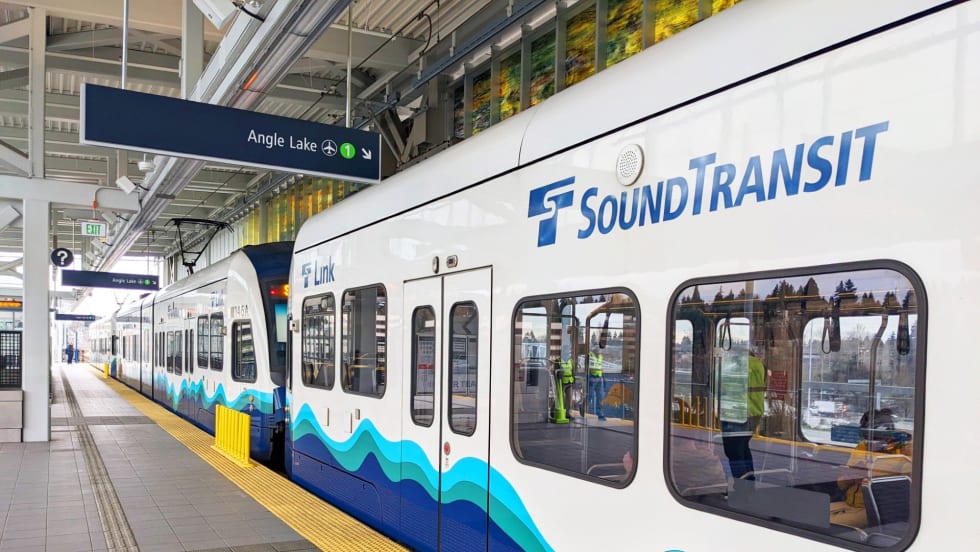
The landmark event empowers riders across six agencies in the Puget Sound region to tap-and-ride transit using a contactless credit or debit card or a mobile wallet.
Now in its latest edition, the awards recognize forward-thinking solutions that improve safety, operational efficiency, sustainability, rider experience, and overall system performance.
Menard discusses how data-driven signal prioritization is improving efficiency, reliability, and ridership, while offering insight into the innovations driving the next generation of smart mobility. Together, they explore how technology and collaboration are paving the way for a more connected, sustainable future in transit.