Bill would ban use of fed funds for Chinese manufactured rolling stock
A number of large, metropolitan areas have recently awarded rail rolling stock procurements to a Chinese state-owned enterprise.
by Alex Roman, Managing Editor
May 16, 2019
The bill would prevent federal transit funds from being used by transit agencies to procure Chinese rail assets and ensure transit agencies develop and execute a cybersecurity plan.
CJ Stumpf
2 min to read
The bill would prevent federal transit funds from being used by transit agencies to procure Chinese rail assets and ensure transit agencies develop and execute a cybersecurity plan.
CJ Stumpf
Rep. Harley Rouda (D-CA), along with a bipartisan group of lawmakers, introduced the Transportation Infrastructure Vehicle Security Act, a bill combatting Chinese efforts to “undermine the U.S. economy and national security.” The bill would prevent federal transit funds from being used by transit agencies to procure Chinese rail assets and ensure transit agencies develop and execute a cybersecurity plan.
“China’s ‘Made in China 2025’ initiative is an unmistakable effort to harm American manufacturers by subsidizing Chinese rail and bus industries,” said Rep. Rouda. “Chinese companies misrepresent themselves as benevolent actors, but let’s be clear: this is an attack on our economy and national security.”
According to a release from Rep. Rouda’s office Chinese state-owned and state-supported enterprises have used subsidized “bargain prices” well-below competitive market price to win contracts throughout the U.S. A number of large, metropolitan areas have recently awarded rail rolling stock procurements to a Chinese state-owned enterprise. There are a number of threats these procurements pose, the statement reads, including “impeding economic competitiveness and overtaking the supply chains that support U.S. public transportation agencies.”
Specifically, the Transit Infrastructure Vehicle Security Act would enact:
Limitation on Certain Rolling Stock Procurements: This legislation prevents federal transit dollars from being used to award a contract or subcontract for the procurement of passenger railcars or transit buses to Chinese state-owned, controlled, or subsidized enterprises. The bill would create a certification process for transit agencies to ensure their funds are not being used to purchase rolling stock from a covered manufacturer. A narrow exception would be made for transportation agencies with a pre-existing contract or subcontract with a covered rail rolling stock manufacturer executed prior to the date of enactment.
Cybersecurity Certification: Given the level of technology and growing complexity of rail rolling stock assets, it is important that proper cybersecurity standards are in place. This legislation would require any transit operator that operates rail transit service to develop and execute a plan for identifying and reducing cybersecurity risks. Recipients of federal transit assistance would be required to review best practices and to identify any hardware and software components of new rolling stock assets that should undergo third-party testing.
The plan represents an increase of just 1.9% over the current year, and includes investments in new buses, more full-length fare gates, and other enhancements for customers.
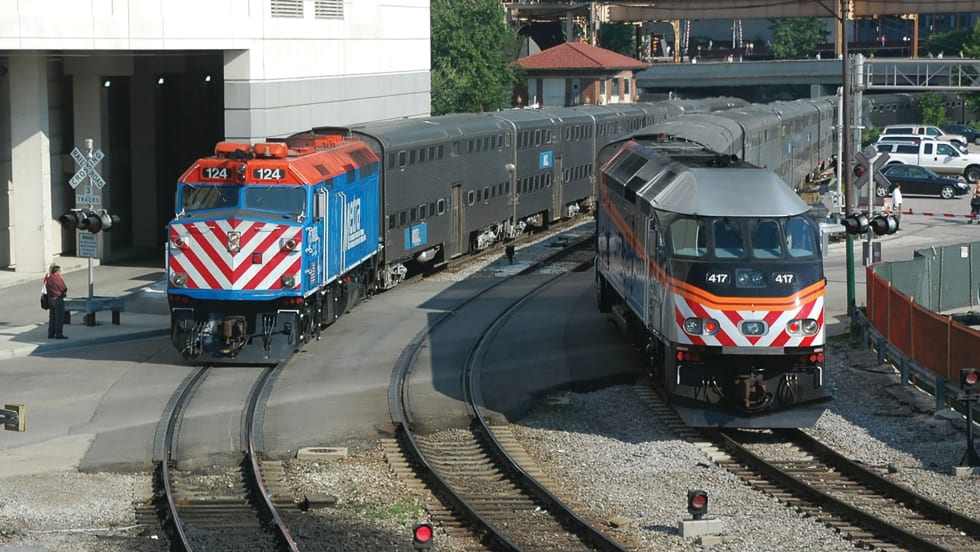
The announcement highlights the long-standing partnership between the Class I railroad and the commuter rail system, dating back to Metra's creation in 1983.
In Part 1, Blandon shares his journey from the U.S. Marines to a leadership role in public transit, along with insights on mentorship and professional growth within the industry.
The revamped Buyer’s Guide will reach METRO’s audience of more than 17,000 print and digital subscribers, providing suppliers with year-round visibility in front of transit agency leaders, motorcoach operators, and industry decision-makers across North America.
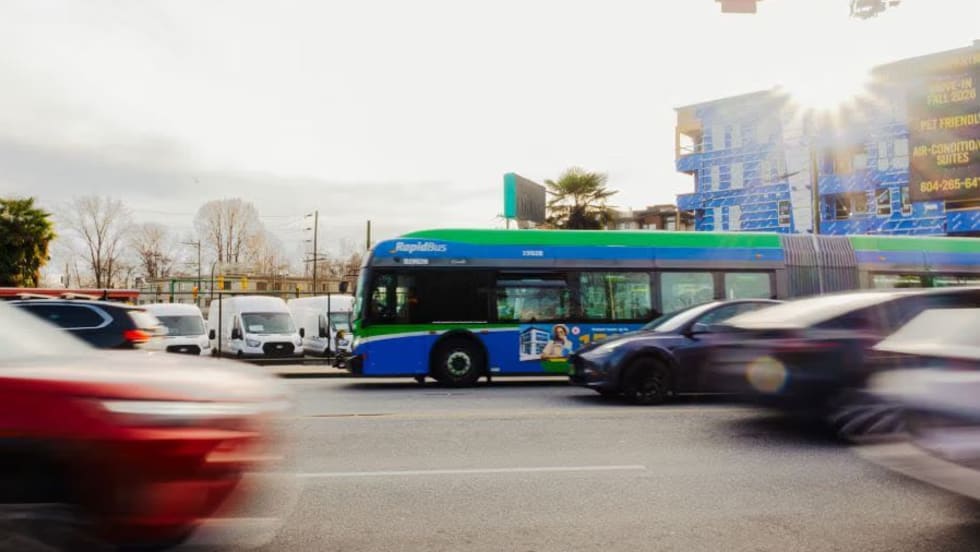
Funded through the 2025 Investment Plan, the new R2 Marine–Willingdon RapidBus is expected to begin service in September, more than three months ahead of schedule.
In addition to new projects, progress continues on a multiyear effort to upgrade track, electrical, and signal systems on the Metra Electric Line to accommodate the expansion of service on the South Shore Line.
Behind every sold-out game is a transit playbook built on data, partnerships, and precision timing to move thousands of fans. Here’s how agencies make it work.
The Maryland Transit Administration is advancing the nearly $1.4 billion Light Rail Modernization Program, which modernizes the Baltimore Central Light Rail Line from Hunt Valley to BWI Thurgood Marshall Airport with new, low-floor vehicles and upgrades to all light rail stations, systems, and maintenance facilities.
Created with local artist Dante Lewis, the new “On the Move” audio identity aims to unify messaging and deepen the rider experience across agency platforms.