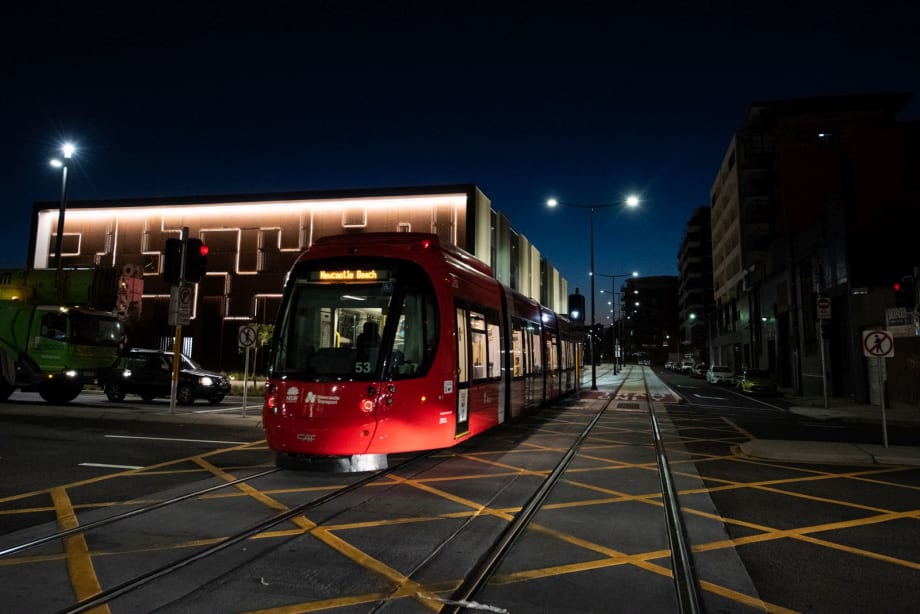
As part of the testing phase, 14 drivers were trained and a record 6,200 miles driven in just over four months, equivalent to 1,000 trips per tram across the network.
Keolis
2 min to read
As part of the testing phase, 14 drivers were trained and a record 6,200 miles driven in just over four months, equivalent to 1,000 trips per tram across the network.
Keolis
Keolis’ Australian subsidiary, Keolis Downer, started operating the new light rail of Newcastle on behalf of Transport for New South Wales a month ahead of schedule. Located north of Sydney, Newcastle is home to 360,000 people who have access to a multimodal transport network operated by Keolis Downer.
Awarded in December 2016, the multimodal transport contract was the first of its kind to be entrusted to a private operator in Australia and covers the operations and maintenance of the entire network (light-rail, buses and ferries) for a period of 10 years. In July 2017, Keolis Downer started operating the bus and ferry services and in January 2018 re-designed the bus service while introducing a real-time, on-demand transport service, powered by Via, the leading developer of shared-ride technology.
Keolis Downer’s team worked relentlessly to launch services ahead of schedule. As part of the testing phase, 14 drivers were trained and a record 6,200 miles driven in just over four months, equivalent to 1,000 trips per tram across the network.
The approximate 1.7-mile long network features six stations and runs between Wickham and Pacific Park. This new network provides Novocastrians with a new way to travel while efficiently connecting with existing bus and ferry services. It has been integral to the revitalization of Newcastle, opening the city back up to its waterfront and connecting it all with an integrated multimodal transport network. Furthermore, the line is catenary free preserving Newcastle’s urban landscape from overhead wires.
The 3.92-mile addition will soon take riders west beyond its current Wilshire and Western station in Koreatown, continuing under Wilshire Boulevard through neighborhoods and communities including Hancock Park, Windsor Square, the Fairfax District, and Carthay Circle into Beverly Hills.
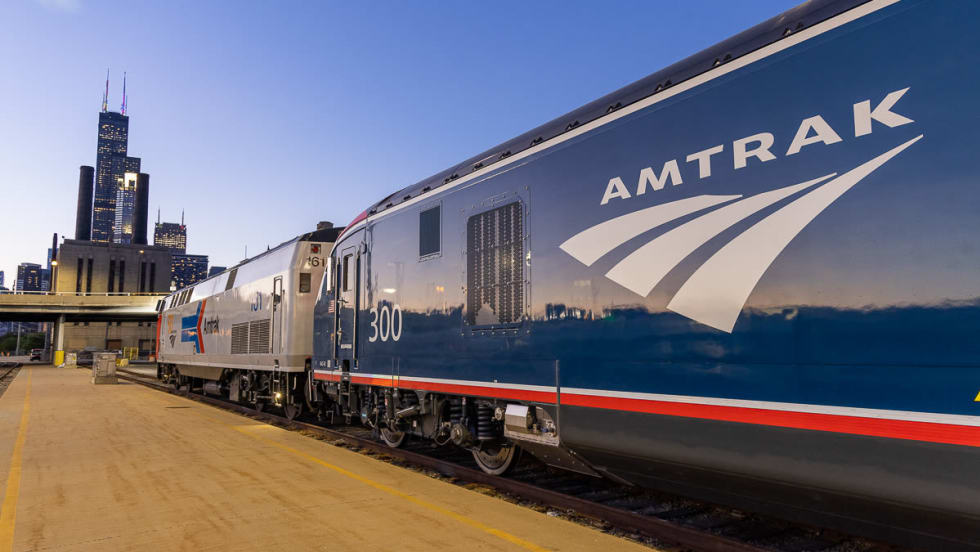
Under the plan, all long-distance routes will transition to a universal single-level fleet, replacing today’s mix of bi-level and single-level equipment.
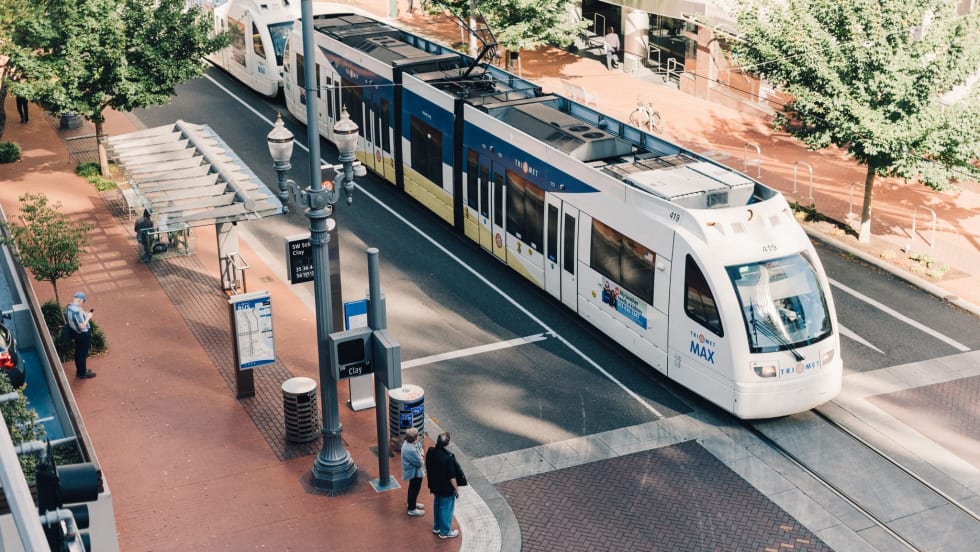
The milestone is a significant step toward modernizing the MAX Blue Line’s power infrastructure, one of the oldest components of the region’s light rail system.
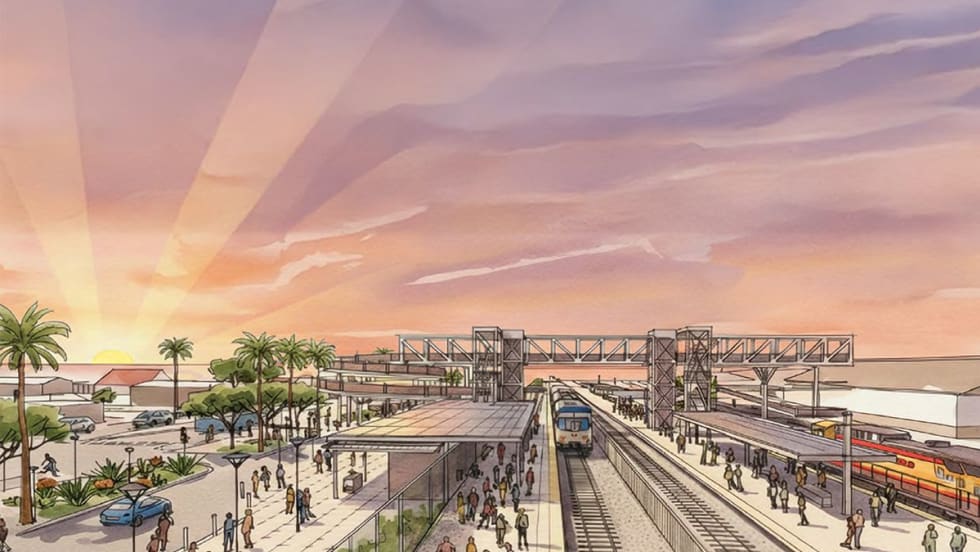
The firm will lead the Tier 2 environmental review program for the Coachella Valley Rail Corridor, including the conceptual and preliminary engineering needed to develop project-level environmental clearance.
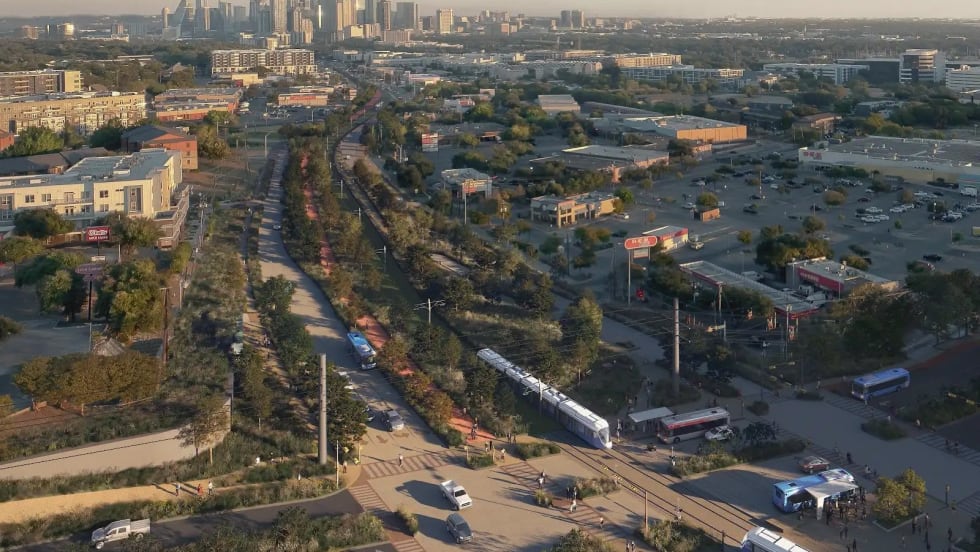
The ATP board’s approval of ARC enables ATP to begin pre-construction activities and advance final design for Austin Light Rail under the first phase of what will be a multibillion-dollar contract.
Additionally, construction activity is estimated to generate more than $154 million in tax revenue, including more than $20 million for Los Angeles County.
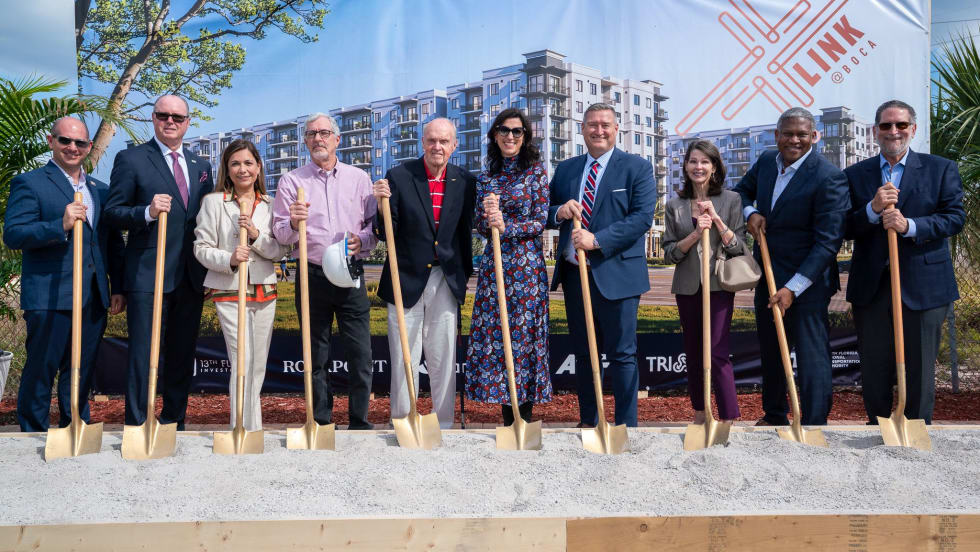
The project represents a significant milestone in the agency’s ongoing efforts to enhance connectivity, activate publicly owned land, and create walkable communities centered around transit.
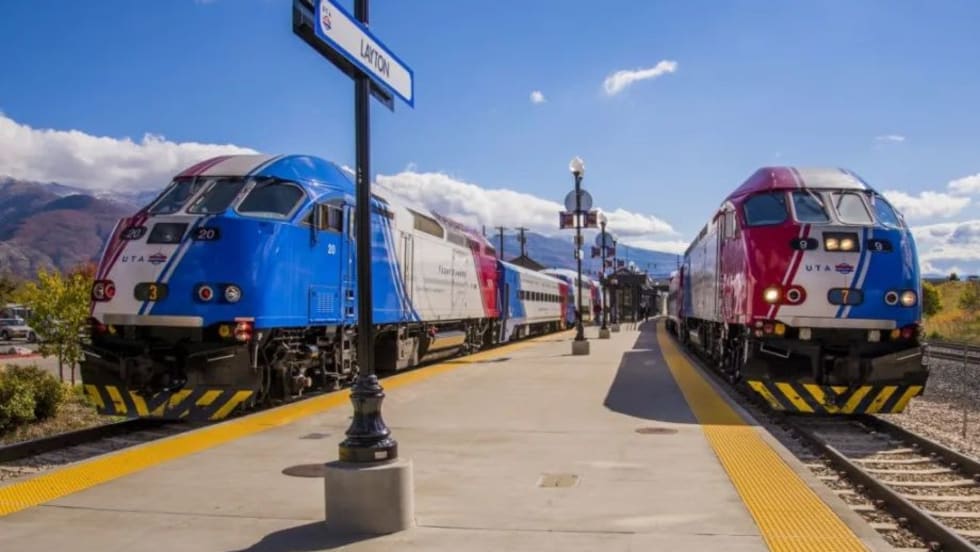
The nearly $1 billion FrontRunner 2X project is a transformative investment to modernize and expand the 89-mile commuter rail corridor between Ogden and Provo.