




RELATED: Transit Infrastructure Must Be Made Resilient to the Effects of Climate Change
MTA averts L Train shutdown to repair Superstorm Sandy damage
The massive reconstruction work, announced in 2016, called for a full closure of the tunnel for 18 months.
January 9, 2019
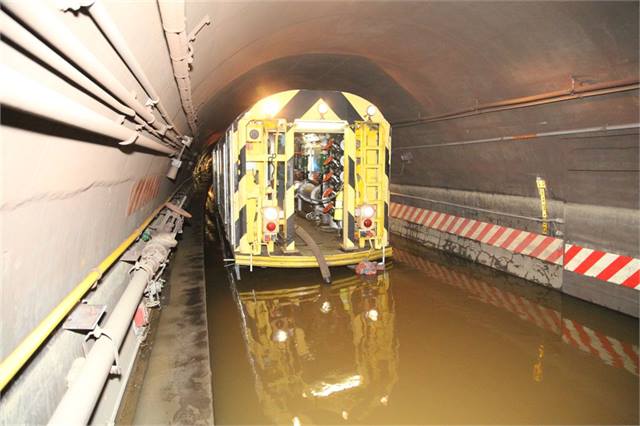
A 2016 photo of a New York City Transit railcar in a tunnel flooded by Superstorm Sandy. Photo: NY MTA
4 min to read

New York's Metropolitan Transportation Authority (MTA) accepted the recommendations of a panel of engineering experts that determined a complete closure of the L Train Tunnel to repair damage from Superstorm Sandy damage in 2012 is unnecessary. The massive reconstruction work needed to the Canarsie Tunnel, which carries the L train under the East River between Brooklyn and Manhattan, requiring a full closure of the tunnel for 18 months, was announced in 2016.
The report – which followed weeks of extensive review and analysis by the deans and faculty of the Columbia University and Cornell University engineering schools – presents a series of innovative engineering methods to streamline the required repair work and limit the impact on L Train service, which provides 400,000 daily rides. Work could be completed on nights and weekends only, with a single tube providing continued service in both directions during work periods.
The plan has been presented to and reviewed by the MTA, and it has been confirmed that the report’s goals are achievable within a 15-to-20-month timeframe. The MTA still plans to implement additional subway service where needed, including the G, M and 7 Trains.
While the new plan eliminates the need for a complete shutdown of the tunnel, L Train Project rebuilding and improvements will continue as planned to address long–term capacity on the line. These include constructing new power substations; storm and flooding resiliency measures; and station improvements, such as providing ADA accessibility and other capacity upgrades at the Bedford Avenue Station in Brooklyn and the 1st and 6th Avenue Stations in Manhattan.
In 2012, the L Train Tunnel (AKA Canarsie Tunnel) – which is 1.5 miles long and runs under the East River – was filled with corrosive salt water due to Superstorm Sandy. As a result, the 100-year-old tunnel sustained critical damage, including the Circuit Breaker House, system and power cables, and the cement benchwall that holds and protects the cables. Crucial repair work was planned to begin in the spring of 2019, including the laborious and time-consuming process of removing – by hand – and replacing all 32,000 feet of benchwall, as well as installing 126,000 feet of power cable and 176,000 feet of communications cable inside the benchwall. This work would require a complete shutdown of service through the tunnel for 15 months.
In December 2018, Governor Andrew M. Cuomo empaneled an expert review team, including leadership from Cornell University's College of Engineering and Columbia University's Fu Foundation School of Engineering and Applied Science, to do a final review of the plan ahead of the Project and its tunnel shutdown. The review team was charged with examining the current plan and recommending new designs, new systems, or technology that would improve the project and/or expedite the timetable, or confirm the current plan as the best way forward.
Members of the panel toured the L Train Tunnel, as well as the Hudson River tunnel along with Amtrak leadership to further inform their analysis. They also consulted with MTA and New York City Transit, the project contractors, and conducted their own intensive analysis and performed hundreds of hours of pro bono work.
The expert review team also considered rail tunnels in cities around the world – such as Hong Kong, London, and Riyadh – in order to implement the most efficient design in New York City. Among the findings, the team found that other modern tunnel designs under construction do not use benchwalls to protect cables.
The extensive review and analysis led to the following recommendations that have been made to the MTA:
L Train Tunnel Project Recommendations:
Implement a new power and control system design.
Implement racking system design to suspend cables on side of tunnel.
Decouple cable system housing from benchwall.
Jacket cables with low smoke, zero halogen fireproof material.
Abandon all old cables in benchwall.
Leave benchwall unless structurally compromised and fortify using fiber reinforced polymer.
Install “smart” sensor systems to monitor benchwall integrity.
Install walkway where benchwall is removed.
Increase flood resilience measures.
Enhance public safety.
The benefits to these recommendations include:
New system design achieves all functional outcomes, while reducing work and allowing simultaneous, not sequential execution of critical tasks.
Racking system will allow greater access to cables for inspection or future upgrades.
Installation of smart sensor system will allow for monitoring on a continuous basis rather than a periodic basis.
Upgrades to the pump system and rail will occur in tandem with the cable and benchwall work.
Dramatic reduction in non-value added project scope (i.e. avoiding complete removal and reconstruction of the benchwall).
Enhanced safety and functionality of the project.
Enhanced flood resilience.
This new system design approach can be potentially applied to other projects, such as the Second Avenue Subway Phase 2 and Hudson River Train Tunnels.
These recommendations would mean the following:
No closure of service is necessary with this new design.
Work can be completed with weekend and nighttime closures of only one tube at a time leaving the other to run trains in both directions.
More Rail
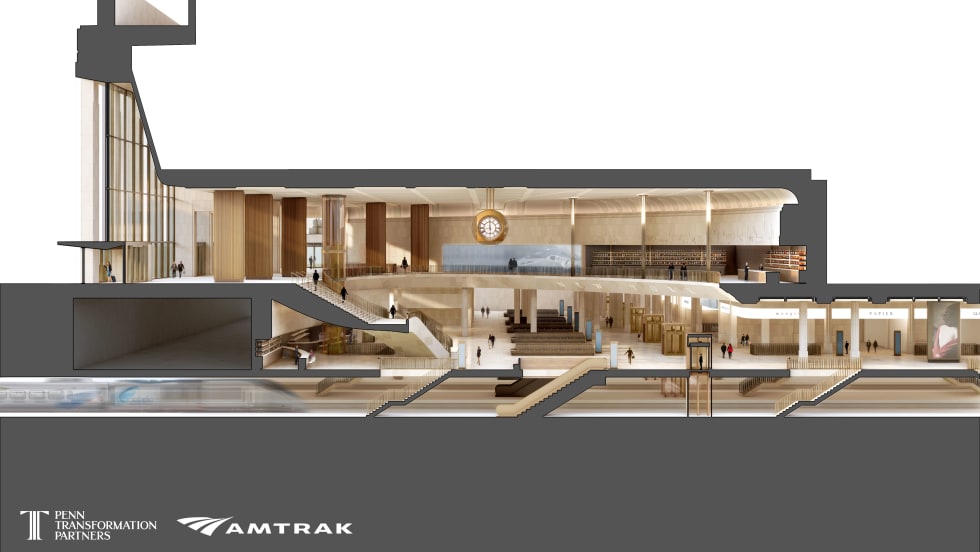
Penn Station Transformation Advances with Design Unveiling
The historic redesign will transform the busiest transit hub in the Western Hemisphere from the tracks to the street level, creating a more efficient, cleaner, and functional experience for more than 600,000 daily commuters and millions of visitors.
Read More →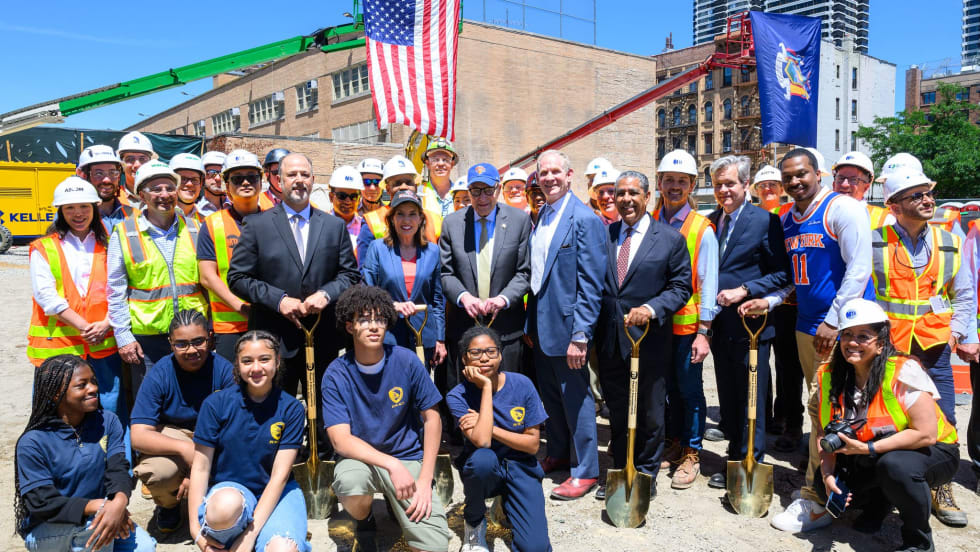
Second Avenue Subway Phase 2 Advances into Major Construction Stage
New York Governor Kathy Hochul joined leadership from the MTA, elected officials, and Harlem community leaders to break ground on the major construction stage of the transformative Second Avenue Subway Phase 2 project.
Read More →
The Invisible Infrastructure of Passenger Flow
What a seat reservation system on Austria’s Railjet trains reveals about the future of rider experience, and why U.S. agencies should pay attention.
Read More →
Caltrain Board Approves FY27 Budget, Endorses Efficiency Measures
The move ensures Caltrain service will continue operating as usual in the near term, but long-term financial challenges remain for the rail agency absent a new revenue source.
Read More →
Alstom Acquires Delaware Site to Support Amtrak NextGen Acela Fleet
The company is investing more than $55 million to acquire and improve the property and will employ approximately 100 people at this site once it is operational.
Read More →
When Routine Fails: How Public Transit Must Adapt for the World Cup
The 2026 FIFA World Cup will test transit agencies’ ability to manage unpredictable travel patterns, making real-time data and operational flexibility critical to moving millions of visitors efficiently.
Read More →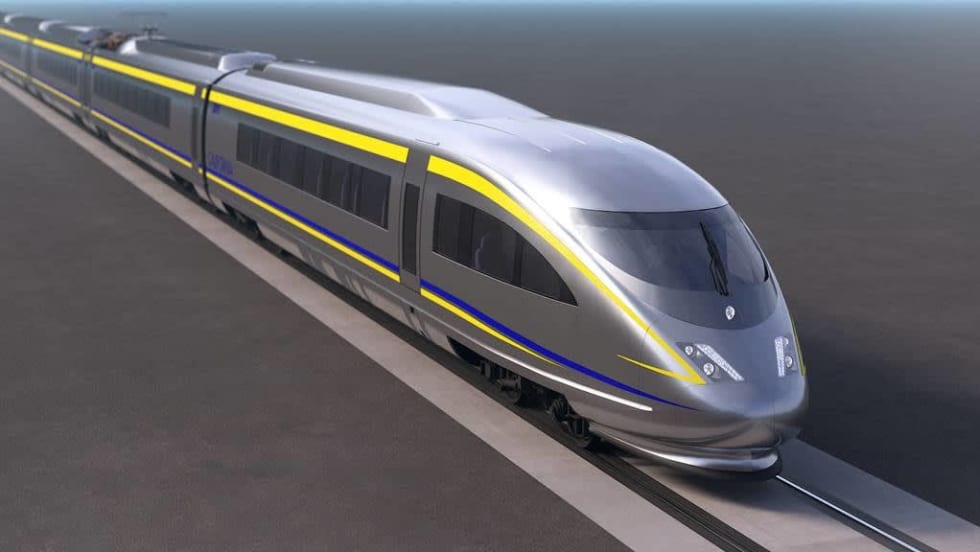
California Selects Team for Nation’s First True High-Speed Rail Track and Systems Contract
The board action follows completion of track installation at the 150-acre southern railhead in Kern County, which will serve as the staging and distribution hub for high-speed track and systems installation.
Read More →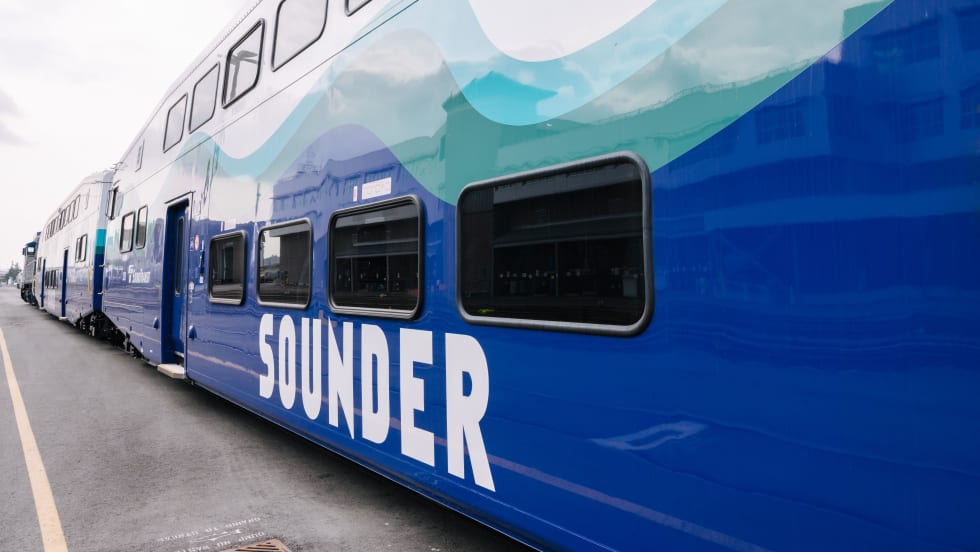
Seattle's Sound Transit Launches New Sounder Railcars into Service
Alstom manufactured all the cars under a $46.5 million contract and came into service in anticipation of summer crowds for soccer and baseball.
Read More →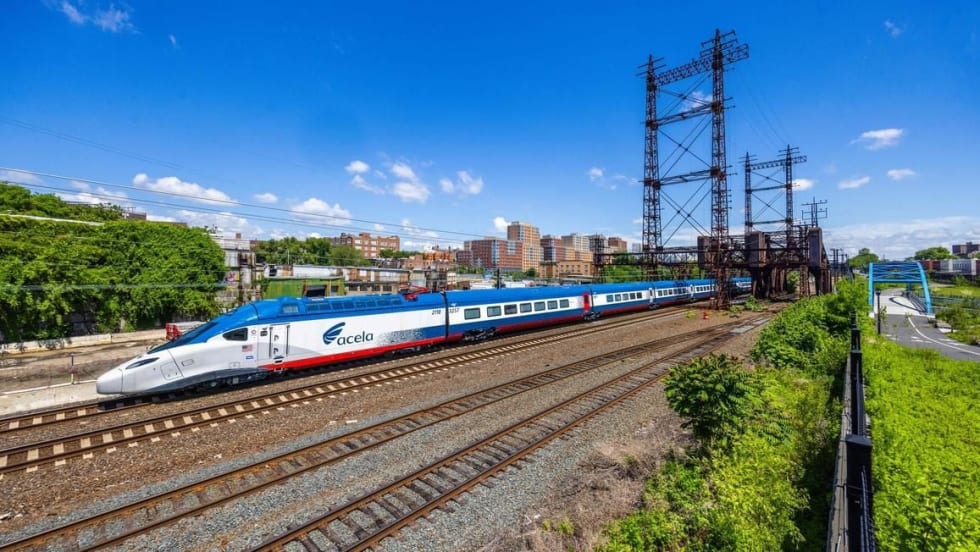
Alstom Partners With Universities to Build Rail Talent Pipeline
The partnerships include a new engineering scholarship fund at Alfred State College in Western New York and collaborations with transportation centers at the University of Pennsylvania and New York University.
Read More →
Chicago's NITA Act Moves Into Next Phase as Service Improvements Begin
Rider-focused improvements will begin rolling out across the system immediately as CTA, Metra, and Pace increase service this summer in the six-county region.
Read More →