




RELATED: BYD delivers 4 battery-electric buses to Canadian operation
Martha's Vineyard agency adds BYDs to fleet
The six-bus order was comprised of four BYD K9S 35-foot models and two K7 30-foot models.
July 19, 2018
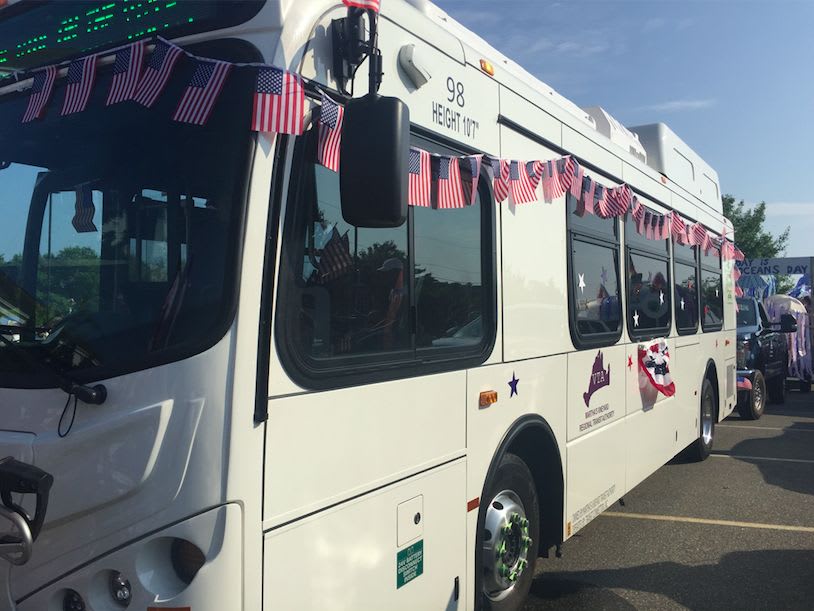
Mass.-based Vineyard Transit Authority (VTA) is replacing diesel buses with BYD battery-electric buses.
2 min to read
Mass.-based Vineyard Transit Authority (VTA) is replacing diesel buses with BYD battery-electric buses.
Mass.-based Vineyard Transit Authority (VTA) is replacing diesel buses with BYD battery-electric buses. BYD, the world’s largest electric vehicle manufacturer, recently delivered five buses and a sixth is scheduled to be delivered by the end of the July.
The six-bus order was comprised of four BYD K9S 35-foot models and two K7 30-foot models. The BYD buses will replace six less fuel and environmentally-efficient diesel buses as part of the VTA’s plan to convert its fleet to electrification. The VTA also announced it will purchase an additional four BYD buses.
“We are excited to begin transforming our fleet with these six BYD electric buses,” said Angie Grant, Administrator of Vineyard Transit Authority. “VTA is the first transit agency in Massachusetts to commit to going all-electric. This delivery is a milestone for both VTA and our state to begin the shift of electrification.”
VTA selected BYD to manufacture its first set of electric buses based on BYD’s battery warranty, mile range and selection of sizes and models, which accommodate Martha’s Vineyard’s road network.
The proprietary BYD Iron-Phosphate batteries that power the K7 and K9S are manufactured in Lancaster, California. This revolutionary battery is nontoxic, 100% recyclable, fire-safe and incredibly long-cycled. BYD is the first and only electric bus manufacturer in the world to offer a 12-year warranty on its batteries.
The K7 electric bus has a capacity of 22 passengers, while the K9S features a capacity of up to 32 passengers, depending on the precise configuration. The new buses will produce no emissions, make oil changes a thing of the past and offer dramatically lower maintenance costs.
VTA was able to purchase the electric buses through several Federal and State grants received last year. In addition, the VTA is installing solar canopies and received a grant that is part of the Baker-Polito Administration’s Energy Storage Initiative, Advancing Commonwealth Energy Storage program. This program will allow the VTA to store renewable energy made during the daytime to charge the buses at night.
VTA provides services to six towns in the Martha’s Vineyard region: Aquinnah, Chilmark, Edgartown, Oak Bluffs, Tisbury and West Tisbury. The transit agency provides fourteen routes both scheduled and fixed throughout the island of Martha’s Vineyard, and provides 1.4M rides a year.
More Bus

People Movement: Dan Dipert Coaches Adds Third-Generation Leader, Keolis Names New Valley Metro VP/GM, and More
In this edition, we also cover recent appointments and announcements at the Wabtec, SilverRide, HNTB, and more, showcasing the individuals helping to shape the future of transportation.
Read More →
New York MTA Plans Largest Bus Fleet Upgrade in More Than a Decade
The agency is seeking manufacturers for 650 new CNG buses to replace aging vehicles, improve reliability, and advance its broader fleet modernization strategy.
Read More →
Building a Flexible Path to Transit Electrification
John Hroncich discusses BAE Systems’ modular and scalable approach, lessons learned from decades of real-world operations, and how agencies can identify electrification strategies that fit their fleets.
Read More →
Bus Tech Talk: Keeping Transit Technicians Ahead of the Technology Curve
LA Metro’s Obed Mejia discusses technician training, evolving maintenance technology, fleet replacement, and strategies for getting the most out of today’s transit fleets.
Read More →
Biz Briefs: RIPTA Unveils New Frontrunners, Clevland RTA Adds New Siemens, and More
In METRO's latest installment, we take a look at recent news from Siemens, Prevost, Dodge, and more partnerships making headlines across the transportation sector.
Read More →
People Movement: Holly Arnold Joins Transdev and More
In this edition, we also cover recent appointments and announcements at Pace, CamTran, MCI, and more, showcasing the individuals helping to shape the future of transportation.
Read More →
The High Cost of Transit Buses: Industry Leaders Look to Procurement Reform
Transit leaders and policymakers examine how standardized bus designs, streamlined procurement, and predictable funding could help agencies stretch budgets and deliver better service.
Read More →
The Business Voice Behind Public Transportation
As chair of APTA’s Business Members Board of Governors, Ray Melleady explains how more than 850 business members are partnering with transit agencies to advance funding, innovation, and industry-wide collaboration.
Read More →
From Surviving to Thriving: Building Stronger Transportation Organizations
Bus Business Consultants founder Brian Dickson shares lessons on leadership, organizational health, and creating options for long-term success in a changing transportation industry.
Read More →
Finding the ‘Happy Medium’: Optimizing Maintenance Without Sacrificing Reliability
The key to maintenance optimization isn’t doing less work—it’s doing the right work at the right time on the right assets.
Read More →