



SEPTA takes Siemens ACS-64 electric locomotive on inaugural run
The purchase of the new locomotives was made possible by Act 89, Pennsylvania's comprehensive funding transportation bill.

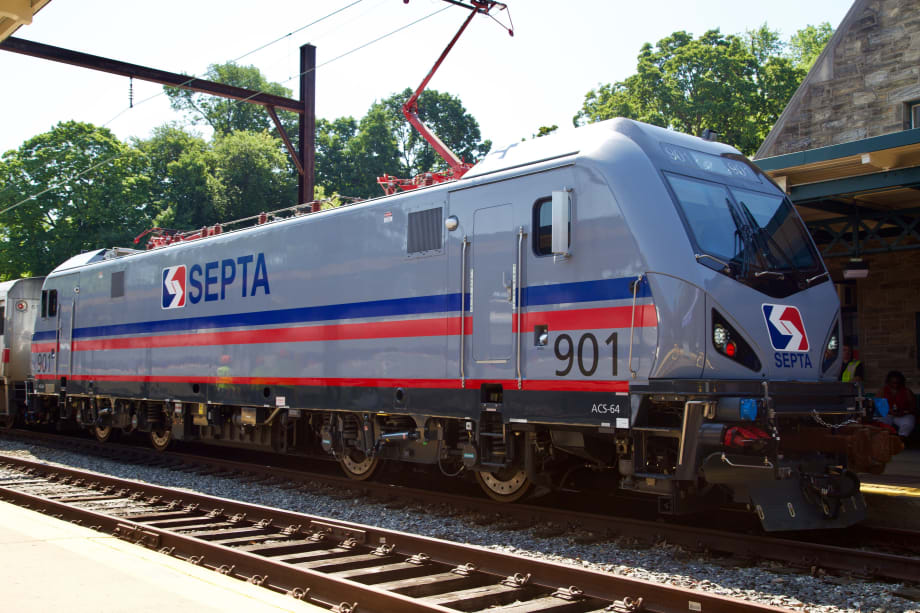
The Siemens ACS-64 electric locomotive has a proven service record with over 24 million track miles in revenue service with existing customers.
Matt Courchain, SEPTA

The Southeastern Pennsylvania Transportation Authority (SEPTA) is taking a major step forward in its overall effort to enhance Regional Rail service with the introduction of the Siemens ACS-64 electric locomotives. On Wednesday, SEPTA executives gathered with Siemens representatives, elected officials, and other dignitaries to celebrate the arrival and inaugural revenue service operation of the new ACS-64 locomotives.
The purchase of the new locomotives was made possible by Act 89, Pennsylvania's comprehensive funding transportation bill. The new vehicles are designed for improved reliability and increased service availability.
"Without Act 89, long-needed fleet upgrades like this simply would not be possible," said SEPTA Board Chairman Pasquale T. Deon Sr. "These are the types of projects that keep people, goods, and services moving and are critical to the growth and economic vitality of the region and the state."
SEPTA is purchasing a total of 15 ACS-64 electric locomotives from Siemens. Built at Siemens' Sacramento, Calif. rail manufacturing hub, the 15 new ACS-64 electric locomotives will allow SEPTA to expand its fleet while replacing eight aging locomotives, including the last remaining AEM-7 locomotives still running in the country. As part of an ongoing effort to increase capacity, the Siemens locomotives will be in service with SEPTA's existing rail coach cars, and eventually, will be paired with a new fleet of multi-level coaches that have been ordered from CRRC MA Corp.
"SEPTA's Regional Rail Ridership has grown by more than 50 percent over the last 15 years," said SEPTA GM Jeffrey D. Knueppel. "The addition of these new Siemens ACS-64 locomotives is critical for SEPTA to expand capacity and meet the needs of our riders."
The ACS-64 electric locomotive is equipped with a FastBrake New York Air Brake System and electronically controlled pneumatic brake system that is suited for push-pull operation without turning. With a wide-body, double-cab design, the locomotive also features an integrated Crash Energy Management System and is equipped with regenerative braking and an onboard Advanced Civil Speed Enforcement System control unit, including train radio, automatic train control, and positive train control. The engineers cab and amenities on the ACS-64 have been designed with the assistance of the Brotherhood of Engineers Cab Committee.
"This locomotive is not only powerful, but also efficient and reliable" said Michael Cahill, president of Siemens Rolling Stock in the U.S. "We are proud that these locomotives got here on time and in great working condition, and we are excited to work with SEPTA to improve availability so more Philadelphians can get to their destinations safely and on time."
Nearly a dozen Pennsylvania companies were involved in the manufacturing of these locomotives. In Philadelphia, Bentech provided the handrails and couplers came from York based Voith Turbo. The Miller Welding and Machine Co. in Jefferson County provided fabricated metal components. O-R-X Railway Corp., in Blair County, performed the wheel-set pressing.
The ACS-64 electric locomotive has a proven service record with over 24 million track miles in revenue service with existing customers. Similar locomotives operating on the Northeast Corridor have brought enhanced transportation benefits to riders, reducing delay incidents by 25% and delay times by 30%. In conjunction with the planned purchase of new multi-level passenger cars, SEPTA will be able to provide additional capacity to accommodate its growing ridership.
More Rail

Biz Briefs: STV teams with Amtrak, Motorcoach Operators Boost Fleet and Land Contracts, and More
From manufacturers and suppliers to transit agencies and motorcoach operators, these updates offer a snapshot of the projects, partnerships and business moves driving the industry forward.
Read More →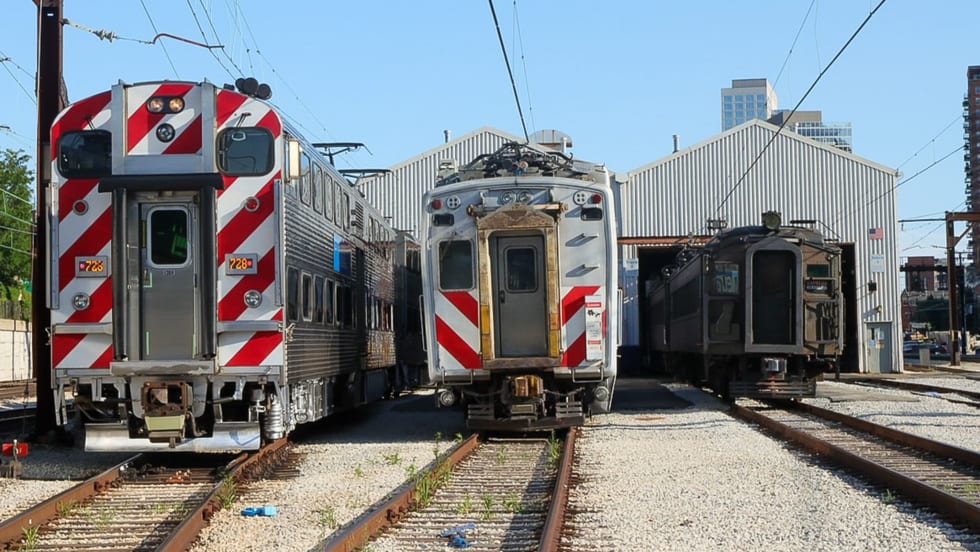
Metra Celebrates 100 Years of Electric Rail, Looks to the Future
The event was also a celebration of recent reforms to public transportation in the Chicago area, changes that could be as transformative in the future as the major civic achievement a century ago, said officials.
Read More →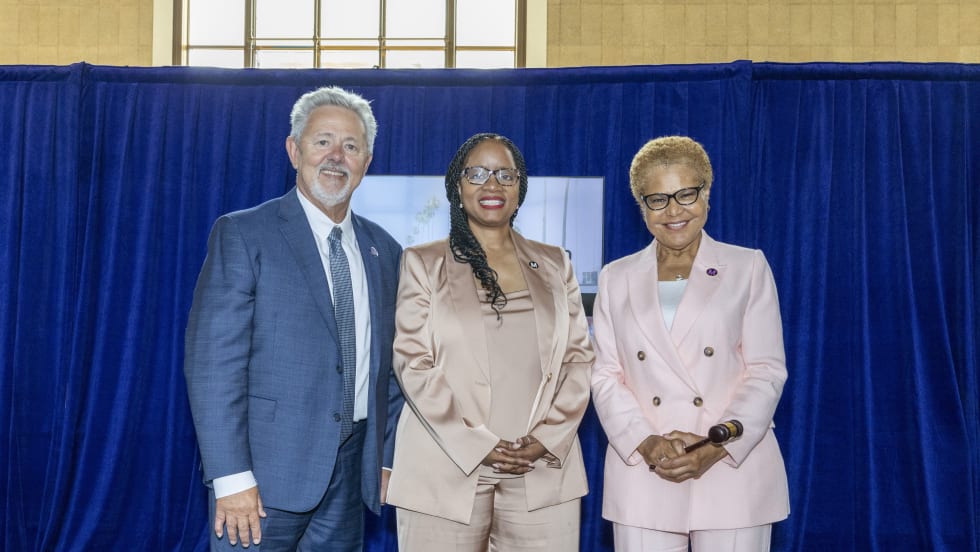
LA Metro Marks Banner Year, Sets Ambitious Goals for New Fiscal Year
Incoming LA Metro Board Chair and Los Angeles Mayor Karen Bass joined outgoing Board Chair Fernando Dutra and LA Metro CEO Stephanie Wiggins to review accomplishments from fiscal year 2026, which included the opening of new rail extensions, advancement of major transit projects, expanded safety programs, and new rider amenities.
Read More →
DART Taps Nathaniel P. Ford Sr. as Next President/CEO
Since 2012, Ford has served as the CEO of the Jacksonville Transportation Authority
Read More →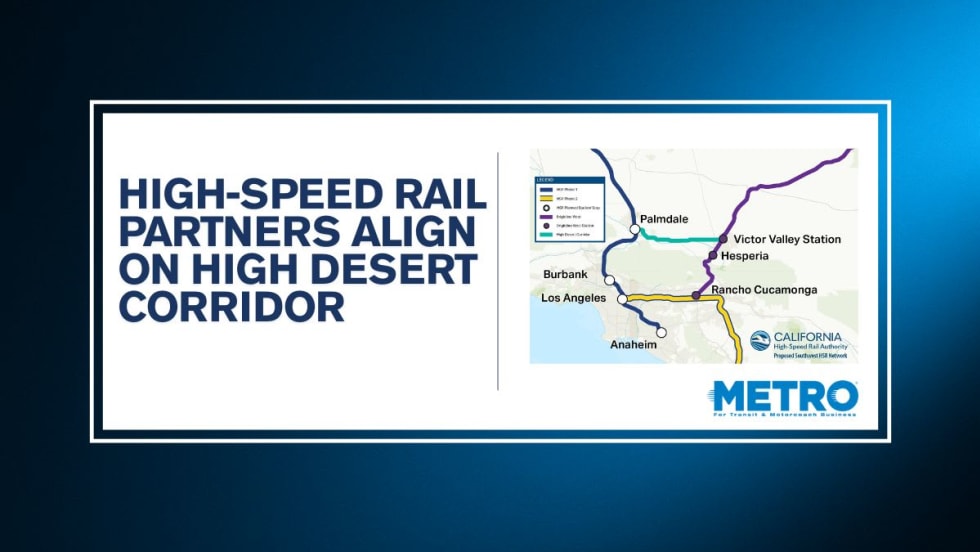
California High-Speed Rail Authority Signs MOU to Advance High Desert Corridor
The agreement deepens collaboration between the California High-Speed Rail Authority and the High Desert Corridor Joint Powers Agency, supporting design integration, cost savings, and faster delivery of a key Southern California rail link.
Read More →
Building the Next Generation of Transit Technology
In this edition of METROspectives, Luminator CEO Magnus Friberg discusses the company's transformation, the growing role of AI and software, and what's next for transit technology.
Read More →
How Data, Strategy, and Community Engagement Are Reshaping Transit
In this edition of METROspectives, strada360 CEO Steve Lassey discusses how transit agencies can better align planning with operations, leverage data to improve decision-making, and build public trust as they prepare for the future of mobility.
Read More →
TTC Launches Camera Pilot to Curb Illegal Passing of Streetcars
During the pilot, the cameras will measure how often illegal streetcar passing occurs and test the technology's reliability for future automated enforcement.
Read More →
NJ TRANSIT Secures Capital Funding, Adopts FY2027 Budget
The budgets continue investments in infrastructure and equipment to maintain the system in a state of good repair and enhance the overall customer experience.
Read More →
Biz Briefs: Masabi Teams with St. Louis Metro and More
In METRO's latest installment, we take a look at recent news from Transdev, Hitachi, and more partnerships making headlines across the transportation sector.
Read More →