




RELATED: LaFrance, local transit agencies forge partnerships, reap benefits
Clemson Area Transit adds second fleet of Proterra battery-electric buses
Since the fleet debuted, the Seneca Proterra buses have received 27,950 charges, traveled more than 520,000 miles, and eliminated over 2,848,600 pounds of greenhouse gases — equivalent to planting 59,348 trees.
September 7, 2017
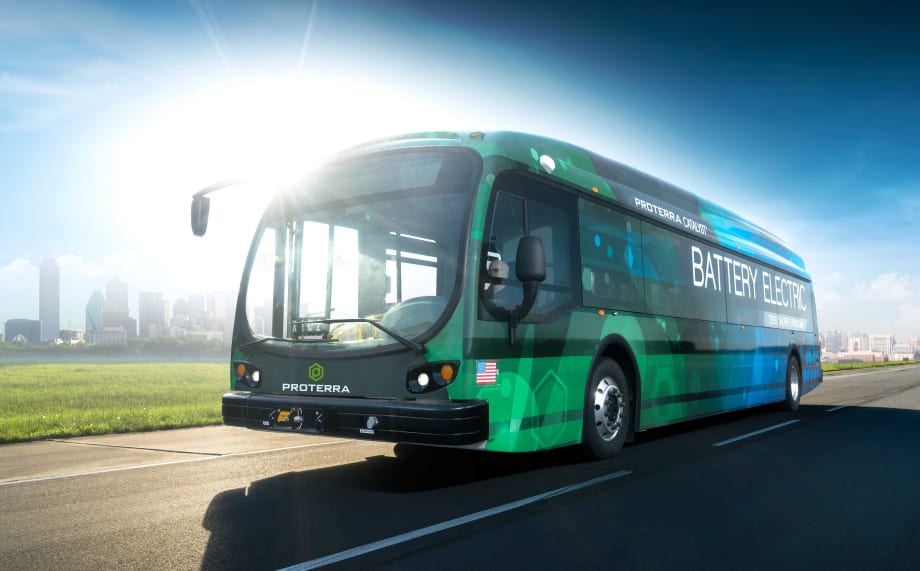
In 2015, Seneca became the first city in the U.S. to operate an all-electric bus fleet and now serves as a model for other municipalities considering all-electric bus transit.
Proterra
2 min to read

Clemson Area Transit (CATbus) purchased 10 40-foot Proterra Catalyst® E2 buses and related charging infrastructure. The CATbus transit vehicles will be manufactured in Proterra’s East Coast Manufacturing Facility, located in nearby Greenville, S.C.
Serving 1.9 million riders annually in three Upstate South Carolina counties, including the cities of Clemson and Seneca and the towns of Central and Pendleton as well as four universities, the fare-free CATbus system will have the largest zero-emission fleet in the Carolinas.
“As part of our vision at CATbus, we are committed over the next eight years to expand upon projects that reduce energy consumption and increase access to clean, efficient mass transit. The integration of these 10 Proterra electric buses into our fleet is a big step in making this happen,” said Keith Moody, interim GM of CATbus. “With 50 percent of our fleet soon to be serviced by zero-emission, battery-electric buses, today marks an important milestone, and we’re pleased to further our partnership with Proterra, as the company helps CATbus achieve our transit goals towards a 100-percent electric fleet.”
CATbus purchased the Proterra Catalyst E2 buses in part with $3.9 million from the Federal Highway and Transit Administration’s (FTA) Low- or No-Emissions program. The Low-No program provided $55 million in bus-buying grants to municipalities in 2016, of which Clemson's grant was among the largest.
The 10-bus purchase complements the six Proterra buses already servicing Seneca, S.C. that are operated by CATbus. In 2015, Seneca became the first city in the U.S. to operate an all-electric bus fleet and now serves as a model for other municipalities considering all-electric bus transit. Over the past three years, CATbus has played host to transit leadership representing cities throughout North America and Europe who are looking to replicate the Seneca success in their cities.
“The FTA likes to see projects that are successful, and with the Seneca project, it's been a total success,” Moody said. “We are building success onto success.”
Since the fleet debuted, the Seneca Proterra buses have received 27,950 charges, traveled more than 520,000 miles, and eliminated over 2,848,600 pounds of greenhouse gases — equivalent to planting 59,348 trees.
“With Greenville as our home in South Carolina, we couldn’t be more pleased to expand our footprint in the Upstate region with CATbus,” said Ryan Popple, president/CEO of Proterra. “As a pioneering transit agency that adopted one of the first battery-electric fleets in North America, we look forward to continuing to equip CATbus communities with the cleanest and highest-performing buses on the road.”
More Technology
Alstom Acquires Delaware Site to Support Amtrak NextGen Acela Fleet
The company is investing more than $55 million to acquire and improve the property and will employ approximately 100 people at this site once it is operational.
Read More →
ABA's Ferguson Testifies in Support of BUS Act, National Standards for Bus Operators
The BUSES Act would create a nationwide framework preventing state and local governments from enforcing bus idling restrictions of less than 15 minutes, a threshold consistent with existing Environmental Protection Agency guidance.
Read More →
When Routine Fails: How Public Transit Must Adapt for the World Cup
The 2026 FIFA World Cup will test transit agencies’ ability to manage unpredictable travel patterns, making real-time data and operational flexibility critical to moving millions of visitors efficiently.
Read More →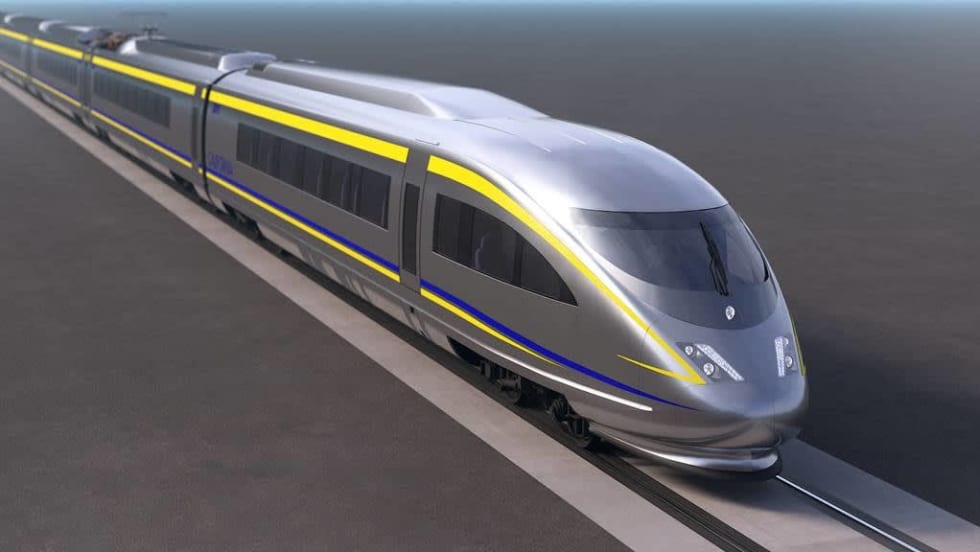
California Selects Team for Nation’s First True High-Speed Rail Track and Systems Contract
The board action follows completion of track installation at the 150-acre southern railhead in Kern County, which will serve as the staging and distribution hub for high-speed track and systems installation.
Read More →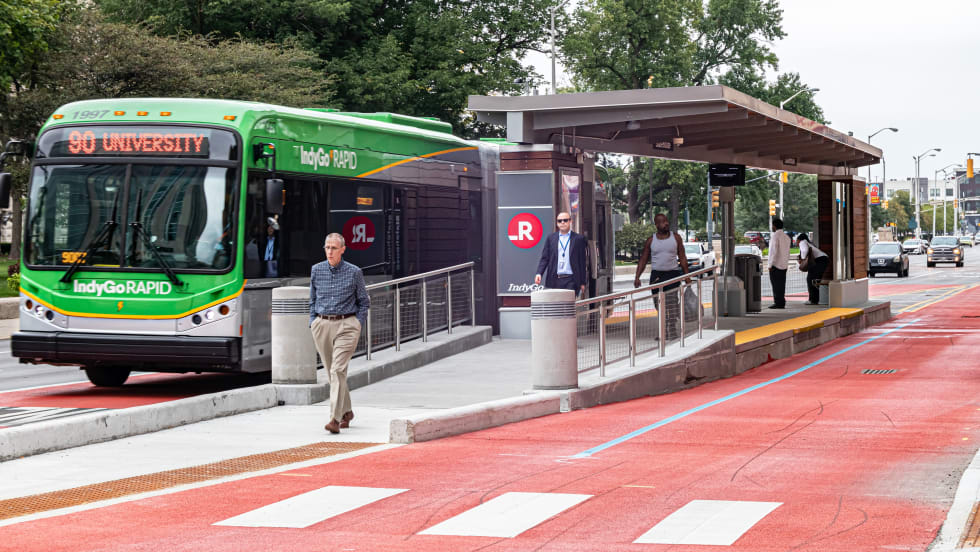
IndyGo, Cleveland RTA Expand Digital Fare Payment Options with Masabi
The new systems combine mobile apps, smart cards, and automatic fare capping to simplify payments, expand flexibility, and help riders access the lowest available fares.
Read More →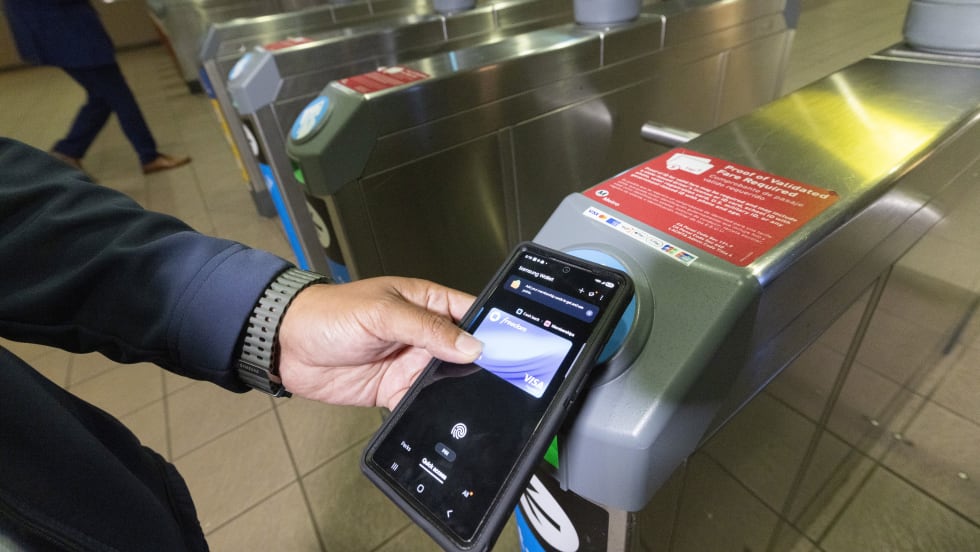
LA Metro Launches New Mobile App, Contactless Payment Options
Available on Metro and at 26 TAP-participating transit agencies, the system reduces waiting times, speeds boarding, and improves convenience systemwide, said the agency.
Read More →
Joshua Schank on Transportation Innovation, Risk, and the Future of Mobility
In this edition of METROspectives, the co-author of New Tricks for Old Bureaucracies, discusses lessons from launching LA Metro’s Office of Extraordinary Innovation, the challenges of advancing new mobility technologies, and much more.
Read More →
Biz Briefs: Foothill Gold Line Award, Matawan Contract, and More
From strategic partnerships to acquisitions and service expansions, the industry continues to evolve at a rapid pace. Find out all the latest here.
Read More →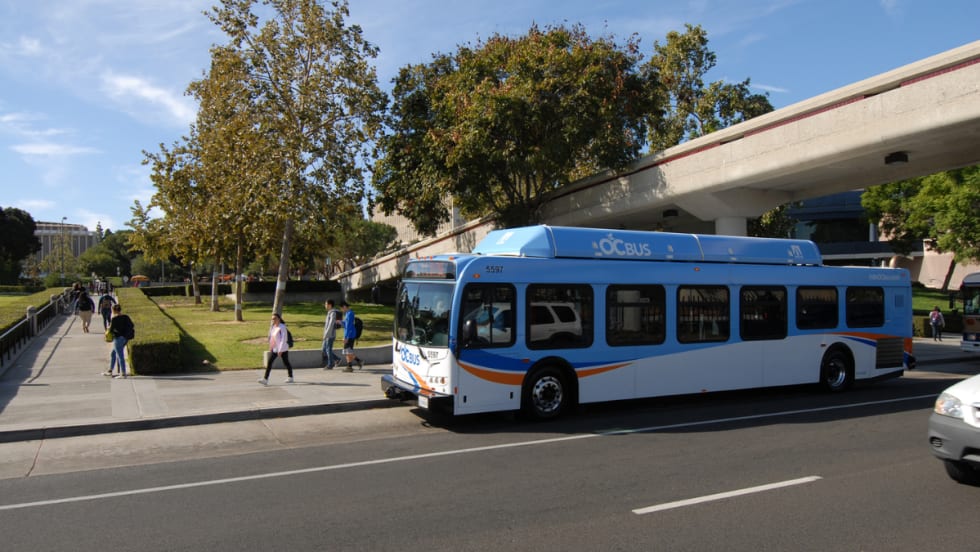
OCTA Sees Growing Adoption of Wave Fare Payment System
Since launching in October 2025, the Wave system has steadily replaced previous fare media with faster, more flexible payment options designed to streamline boarding, improve reliability, and help riders more easily access fare discounts and cost-saving benefits, said OCTA
Read More →
The Evolving Role of Program Management in Transit Delivery
Brian Buchanan, HDR’s transit program management lead, discusses how agencies can strengthen governance, anticipate risk and deliver large-scale projects more effectively.
Read More →