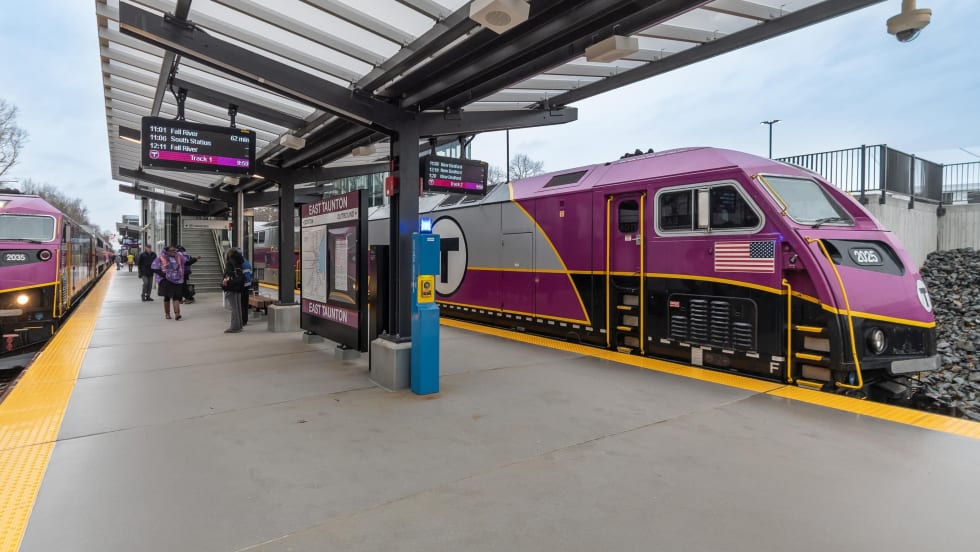
The Transit GO Ticket app pilot project was created under contract by Bytemark, which has similar systems in use in Austin, Texas; Massachusetts DOT; and Atlanta.
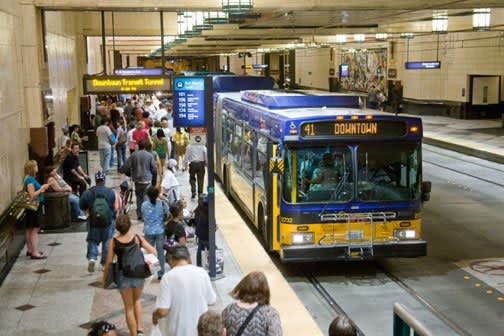
Seattle’s King County Metro Transit is launching the Puget Sound region’s first-ever mobile ticket app — Transit GO Ticket — allowing riders to buy and redeem transit tickets on their mobile device without needing cash to ride.
Under a six-to-12-month pilot project, tickets can be purchased for use on King County Metro buses, King County Water Taxi, Seattle Streetcar, and Sound Transit’s Link light rail and Sounder trains.
Ad Loading...
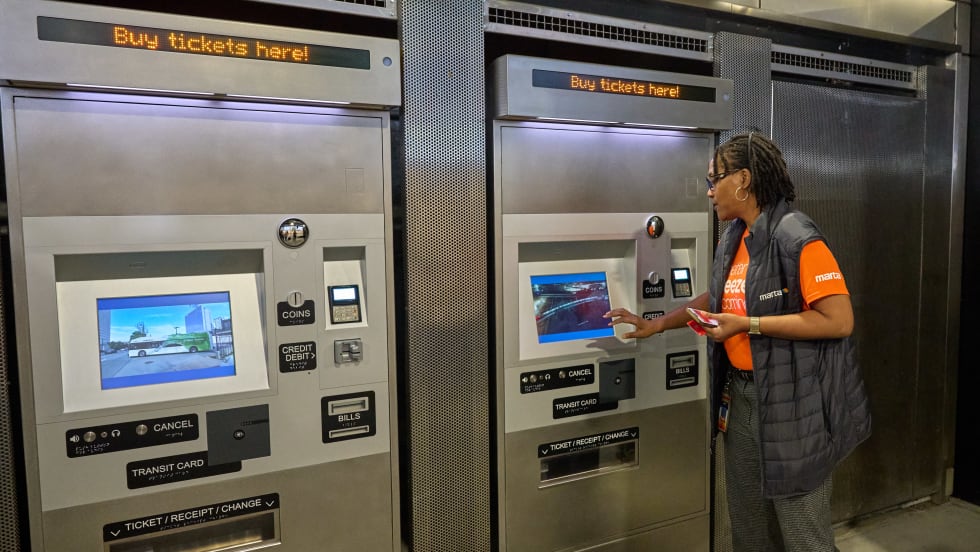
Currently, riders pay cash, purchase tickets, or use an ORCA card to ride transit. Having an app is designed to be more convenient for infrequent transit riders — including visitors, sports fans, or those who would otherwise pay cash.
Riders can simply use the app to purchase a Transit GO Ticket on an Apple, Android, or Windows mobile device and show it to a transit operator, fare collector, or fare inspector.
“Transit GO Tickets are the latest example of innovations that make transit easier for our customers,” said King County Executive Dow Constantine. “We look forward to hearing from the community about mobile tickets as we continue to make sure Metro and Sound Transit offer seamless, efficient service across town and across the region.”
Mobile tickets are the latest milestone in Executive Constantine’s efforts toward greater regional transit integration between King County Metro and Sound Transit. This includes joint regional planning and the bus and rail integration as Sound Transit extended Link light rail to Capitol Hill and UW.
The Transit GO Ticket app pilot project was created under contract by Bytemark, which has similar systems in use in Austin, Texas; New York Waterway; Massachusetts DOT; Atlanta; Toronto; and York. With its partners at Sound Transit, the City of Seattle and King County Marine Division, Metro will evaluate the performance of the app and gather rider feedback through November 2017. The results also will guide further developments of mobile ticketing.
Ad Loading...
The pilot project is budgeted at approximately $470,000 and 86% of the project is funded by Federal Transit Administration grant.
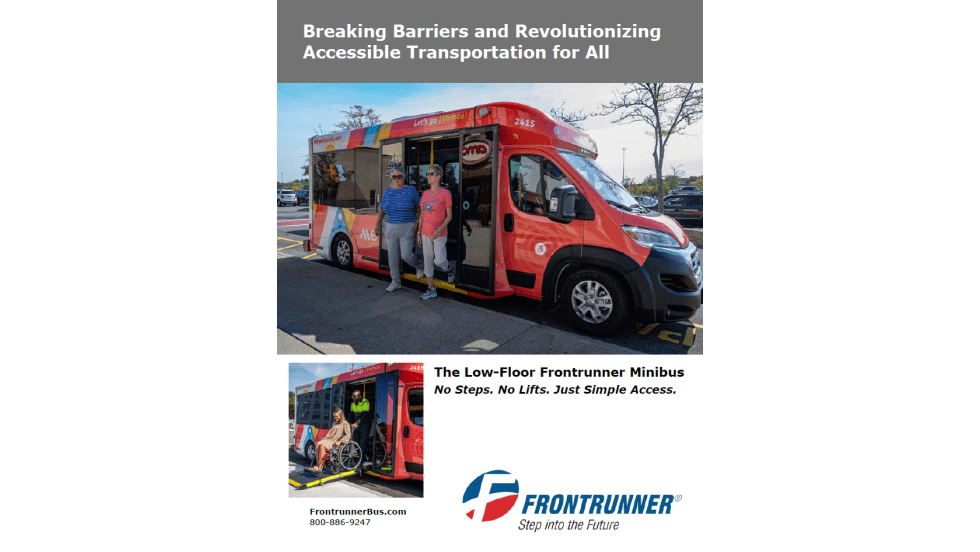
Accessible transit isn’t a feature—it’s a responsibility. This whitepaper explores how the Low-Floor Frontrunner is redefining mobility with a breakthrough design that removes barriers, empowers riders, and delivers measurable operational advantages for agencies. Discover why this next generation minibus is setting a new standard for inclusive transportation.
With major events and increased travel expected across the state this summer, the Administration is focused on making sure people have a reliable, affordable alternative to driving so we can reduce congestion, support daily commuters, and keep Massachusetts moving.
As the American Bus Association marks its 100th year, a new ABA Foundation report highlights the Marketplace’s role as a key revenue engine for the bus and group travel industry.
As motorcoaches navigate increasingly congested urban corridors filled with pedestrians, cyclists, scooters, and distracted drivers, safety leaders across the industry are confronting a growing challenge: visibility.
In part 1 of a two-part conversation, AC Transit’s director of maintenance joins co-hosts Alex Roman and Mark Hollenbeck to discuss his journey from the U.S. Marines to public transit and the role mentorship plays in developing the next generation of industry leaders.
In reaching its decision, the board considered the District’s mounting long-term structural deficits, with current projections forecasting annual operating deficits of about $50 million beginning in FY 2027-28 and continuing in the years ahead.
The $143 million spending plan represents a 2.4% reduction from last year’s budget. Increasing expenses, along with depleted federal COVID-19 funds, continue to impact the overall budget, CDTA officials said.