




RELATED: Sen. calls for NJ Transit, Metro-North to improve emergency communications
Metro-North Railroad to receive up to 94 M8 cars for New Haven Line
The new cars will come outfitted with security cameras and positive train control equipment when they are delivered to the railroad.
November 16, 2016
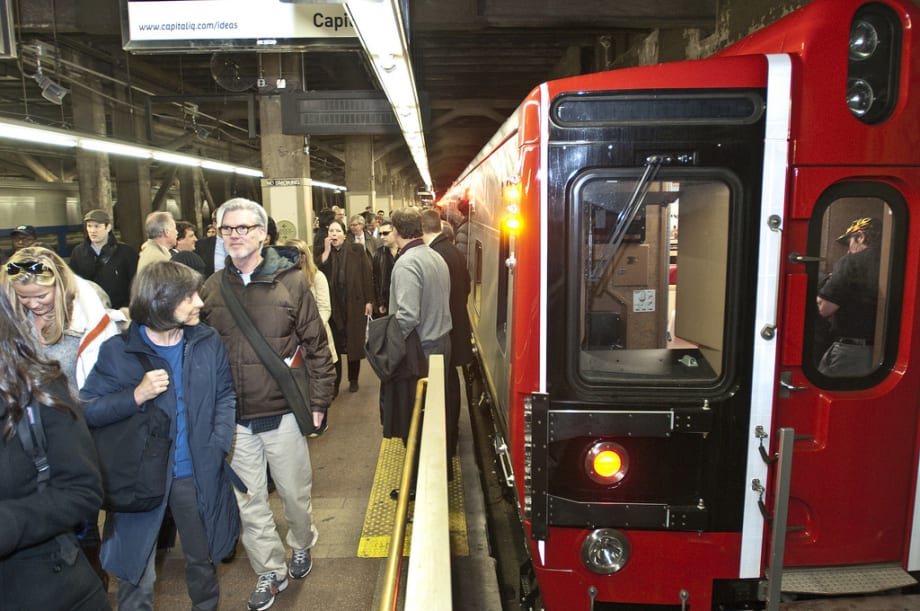
Photo: Metropolitan Transportation Authority/Patrick Cashin
3 min to read

New York's Metropolitan Transportation Authority (MTA) Board approved an order for at least 60, and up to a total of 94, additional new M8 railcars, which provide train service on Metro-North Railroad’s New Haven Line.
The cars, the first of which are expected to enter service in three years, will allow the railroad to lengthen rush hour trains, retire its last 36 older M2 cars, increase safety, and have flexibility to increase train service in the years ahead to meet ridership increases. The cars, to be built by Kawasaki Rail Car Inc., will supplement the 405 M8 cars already in use on the New Haven Line and New Canaan Branch.
The order consists of a base order of 60 cars and an option for an additional 34 cars. The base order is expected to include the retrofit of 10 existing M8 cars into café cars.
The M8 cars have improved customer satisfaction levels and have achieved very high mechanical reliability, far in excess of expectations. Additionally, the new M8 are designed to be enabled with positive train control from the time they enter service. Through September, the cars are averaging 460,277 miles between mechanical breakdowns, the best rate for New Haven Line cars in decades and 53% above the railroad’s goal for the cars.
T

he M8 cars are the most technologically sophisticated in Metro-North’s fleet. They have third rail shoes that can receive 700- to 750-volt direct current to power the trains between Pelham and Grand Central Terminal, and the capability to run under two types of alternating current from overhead wire, known as catenary. The New Haven Line and its New Canaan Branch use 60-cycle, 12.5-kilovolt power. The cars can also operate at the higher, 60-cycle, 25-kilovolt power, which is used on the Shore Line East route east of New Haven.
Three hundred eighty of the current cars are in permanently coupled pairs; each pair’s “A” car has 110 seats and each “B” car has 101 seats plus a handicapped-accessible, airline-style vacuum toilet and space for wheelchair seating or bicycles to be stored on wall-mounted hooks.
Each row of seats is outfitted with electrical outlets, grab bars, coat hooks, and overhead luggage racks. The color scheme is a vibrant red, the historical color of the New York, New Haven and Hartford Railroad, a predecessor to Metro-North. Outside, customers see prominent electronic destination signs and hear public address announcements from external speakers. Single-leaf doors provide high reliability and less susceptibility to snow intrusion.
The existing M8 cars, like the rest of Metro-North’s fleet, are being upgraded to enable them to operate with enhanced PTC. The existing cars are also being retrofitted to include security cameras in engineers’ cabs and in the customer areas of the trains. The new M8 cars will not need to be retrofitted, they will come enabled with cameras and PTC equipment when they are delivered to the railroad.
The M8 coach cars for use on the New Haven Line are funded 65% by the State of Connecticut and 35% by the MTA Capital Program. M8 café cars are funded entirely by the State of Connecticut.
More Rail

The Invisible Infrastructure of Passenger Flow
What a seat reservation system on Austria’s Railjet trains reveals about the future of rider experience, and why U.S. agencies should pay attention.
Read More →
Caltrain Board Approves FY27 Budget, Endorses Efficiency Measures
The move ensures Caltrain service will continue operating as usual in the near term, but long-term financial challenges remain for the rail agency absent a new revenue source.
Read More →
Alstom Acquires Delaware Site to Support Amtrak NextGen Acela Fleet
The company is investing more than $55 million to acquire and improve the property and will employ approximately 100 people at this site once it is operational.
Read More →
When Routine Fails: How Public Transit Must Adapt for the World Cup
The 2026 FIFA World Cup will test transit agencies’ ability to manage unpredictable travel patterns, making real-time data and operational flexibility critical to moving millions of visitors efficiently.
Read More →
California Selects Team for Nation’s First True High-Speed Rail Track and Systems Contract
The board action follows completion of track installation at the 150-acre southern railhead in Kern County, which will serve as the staging and distribution hub for high-speed track and systems installation.
Read More →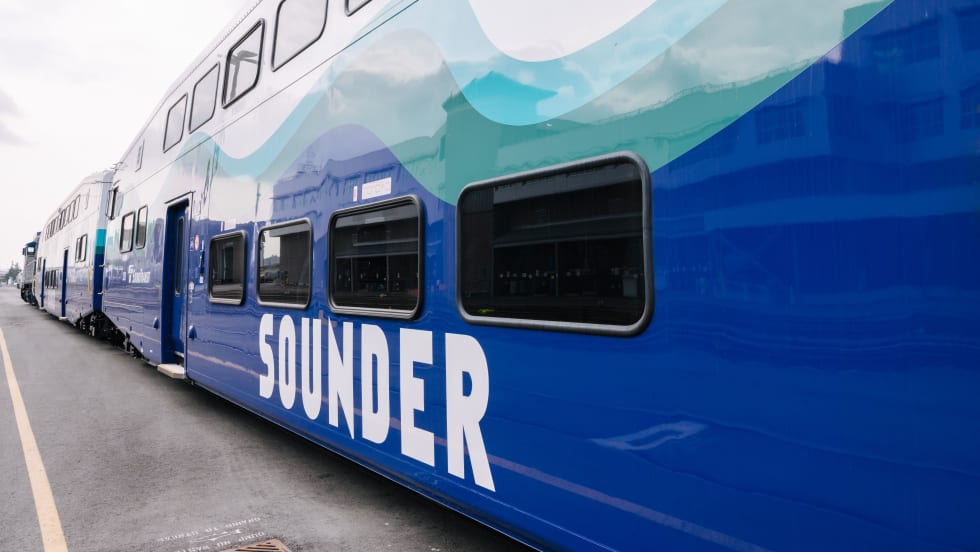
Seattle's Sound Transit Launches New Sounder Railcars into Service
Alstom manufactured all the cars under a $46.5 million contract and came into service in anticipation of summer crowds for soccer and baseball.
Read More →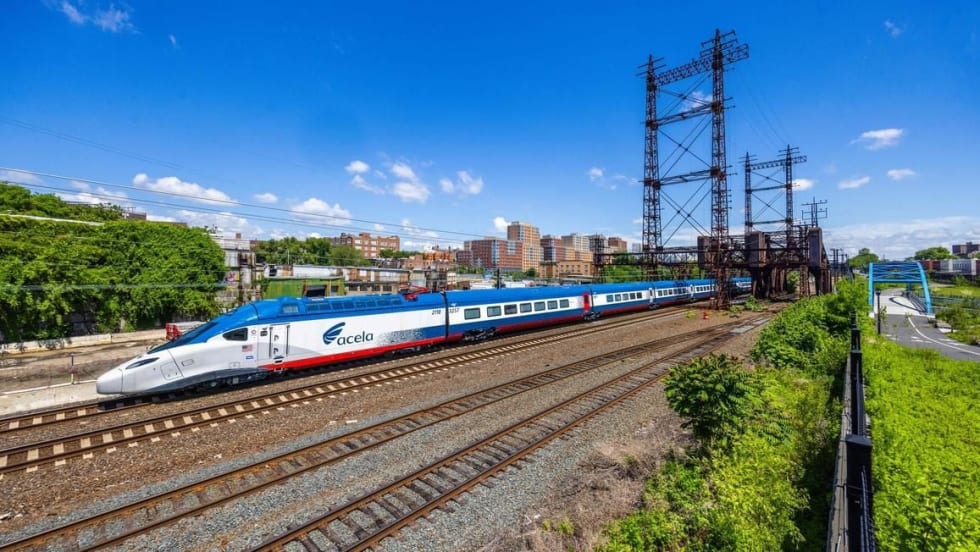
Alstom Partners With Universities to Build Rail Talent Pipeline
The partnerships include a new engineering scholarship fund at Alfred State College in Western New York and collaborations with transportation centers at the University of Pennsylvania and New York University.
Read More →
Chicago's NITA Act Moves Into Next Phase as Service Improvements Begin
Rider-focused improvements will begin rolling out across the system immediately as CTA, Metra, and Pace increase service this summer in the six-county region.
Read More →
Seattle’s Sound Transit Adopts Updated ST3 System Plan
The updated system plan incorporates cost savings across the agency, including new revenue sources and financial policies, to set the agency on a sustainable path for the future.
Read More →
Inside Look: EMBARK Expands Fare-Free Transit Program Through New Public-Private Partnership
The OKC transit agency says sponsorship helps subsidize the Third Friday Free initiative while reducing barriers for first-time riders and boosting ridership across buses, streetcars, and river cruises.
Read More →