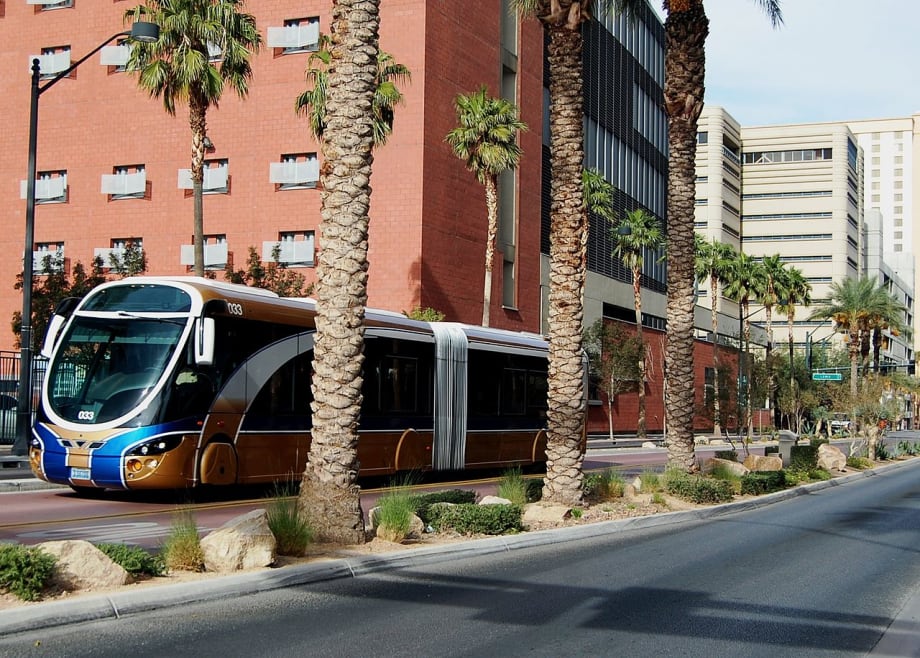
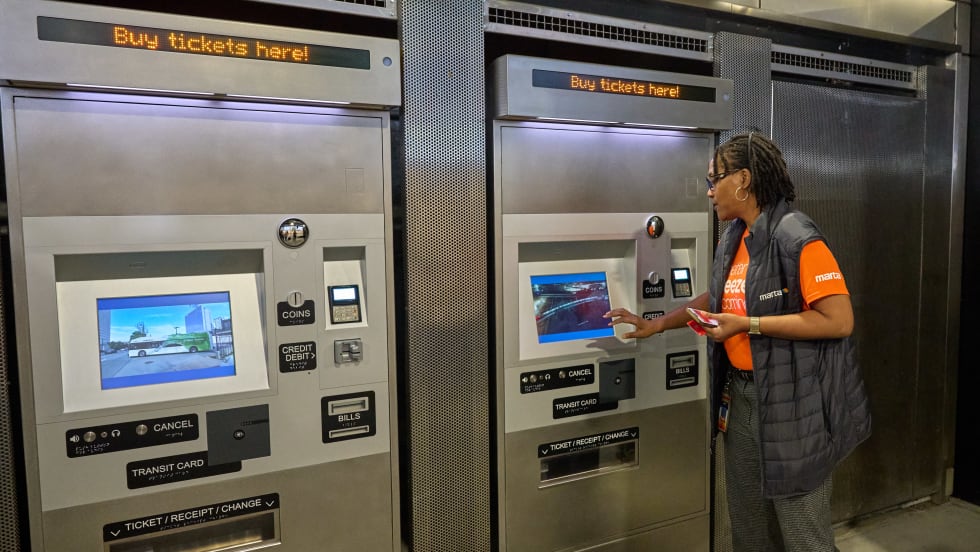
The Regional Transportation Commission of Southern Nevada (RTC) recently launched its new smartphone app, rideRTC, which enables transit customers to buy fares, plan trips, and find bus stops, all at their fingertips. This easy-to-use free app is available for use on Apple and Android devices.
RTC partnered with Masabi, a leader in mobile ticketing and fare collection solutions for transportation agencies, to deliver rideRTC. The app is based on Masabi's JustRide mobile ticketing platform, which is used by more than 25 global transportation agencies and operators.
With the new rideRTC app, customers can securely purchase transit passes for airport, Las Vegas Strip and Downtown routes, as well as residential trips with reduced fare tickets available for seniors (60-plus years of age), disabled riders, and children. Mobile tickets are activated on the customer's smartphone and validated by showing the driver. By the end of the year, all RTC transit vehicles will also have an electronic reader to validate mobile passes.
To introduce the new app to riders, the RTC deployed customer service representatives and transit ambassadors to personally interact with customers, encouraging them to download the app, and showing them how to use it.
With a majority of transit riders using smartphones, rideRTC offers an easy and convenient way to buy tickets and plan a transit ride in the Las Vegas area. To assist customers with their transit trip planning, rideRTC is integrated with the industry leading TransitApp, which is used by transit riders across the country. The app enables users to:
Locate transit routes and stops near their current location.
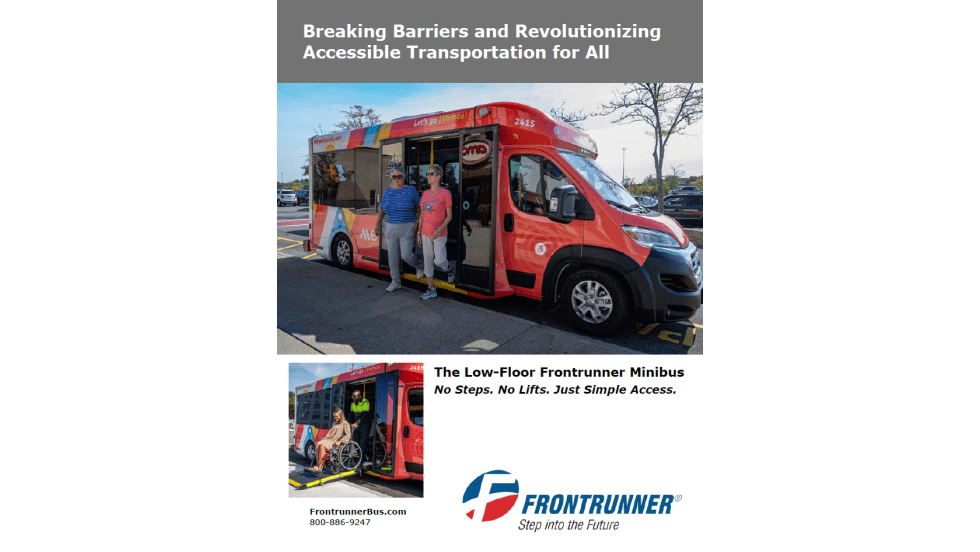
Accessible transit isn’t a feature—it’s a responsibility. This whitepaper explores how the Low-Floor Frontrunner is redefining mobility with a breakthrough design that removes barriers, empowers riders, and delivers measurable operational advantages for agencies. Discover why this next generation minibus is setting a new standard for inclusive transportation.
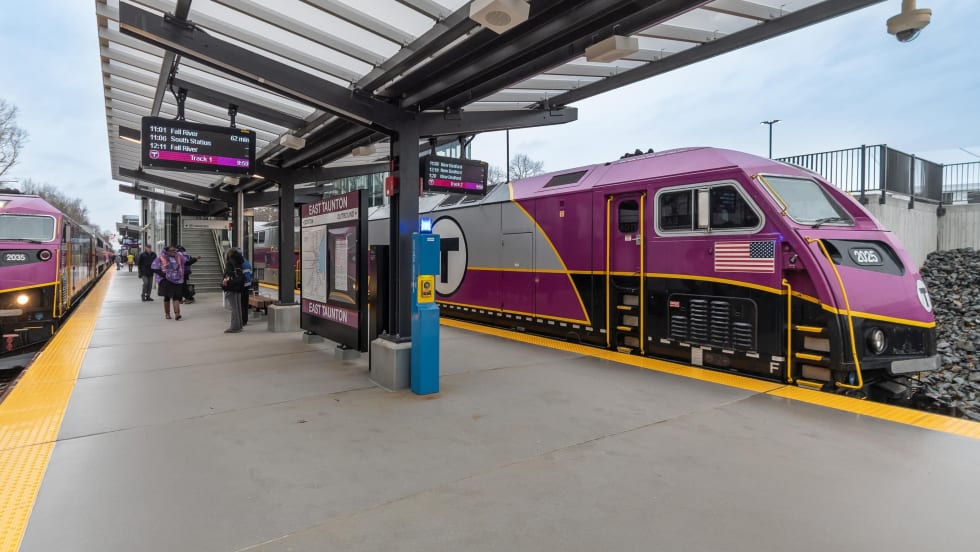
With major events and increased travel expected across the state this summer, the Administration is focused on making sure people have a reliable, affordable alternative to driving so we can reduce congestion, support daily commuters, and keep Massachusetts moving.
As the American Bus Association marks its 100th year, a new ABA Foundation report highlights the Marketplace’s role as a key revenue engine for the bus and group travel industry.
As motorcoaches navigate increasingly congested urban corridors filled with pedestrians, cyclists, scooters, and distracted drivers, safety leaders across the industry are confronting a growing challenge: visibility.
In part 1 of a two-part conversation, AC Transit’s director of maintenance joins co-hosts Alex Roman and Mark Hollenbeck to discuss his journey from the U.S. Marines to public transit and the role mentorship plays in developing the next generation of industry leaders.
In reaching its decision, the board considered the District’s mounting long-term structural deficits, with current projections forecasting annual operating deficits of about $50 million beginning in FY 2027-28 and continuing in the years ahead.
The $143 million spending plan represents a 2.4% reduction from last year’s budget. Increasing expenses, along with depleted federal COVID-19 funds, continue to impact the overall budget, CDTA officials said.