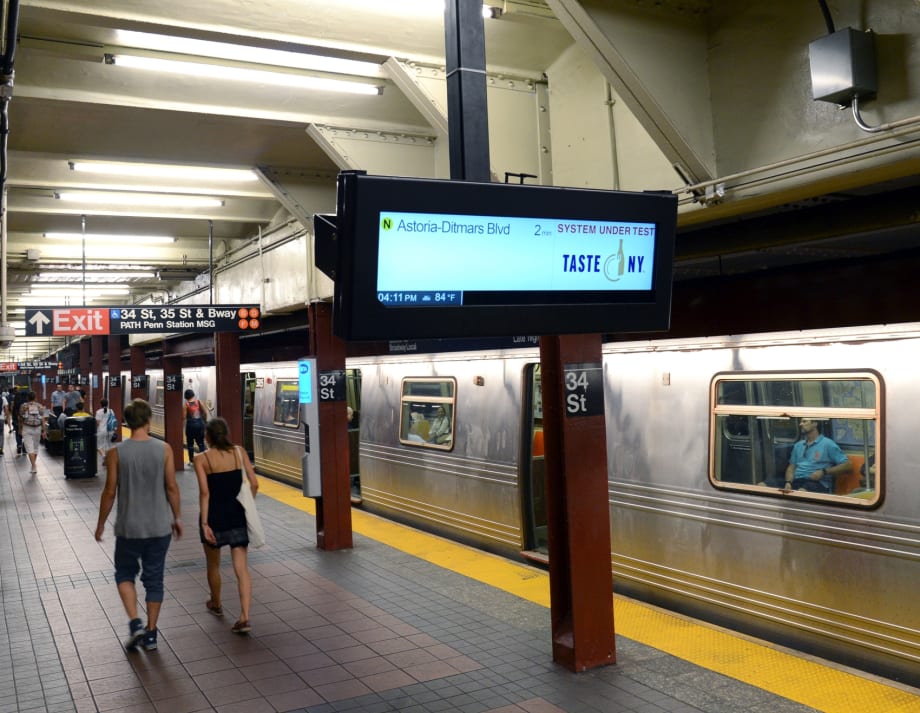
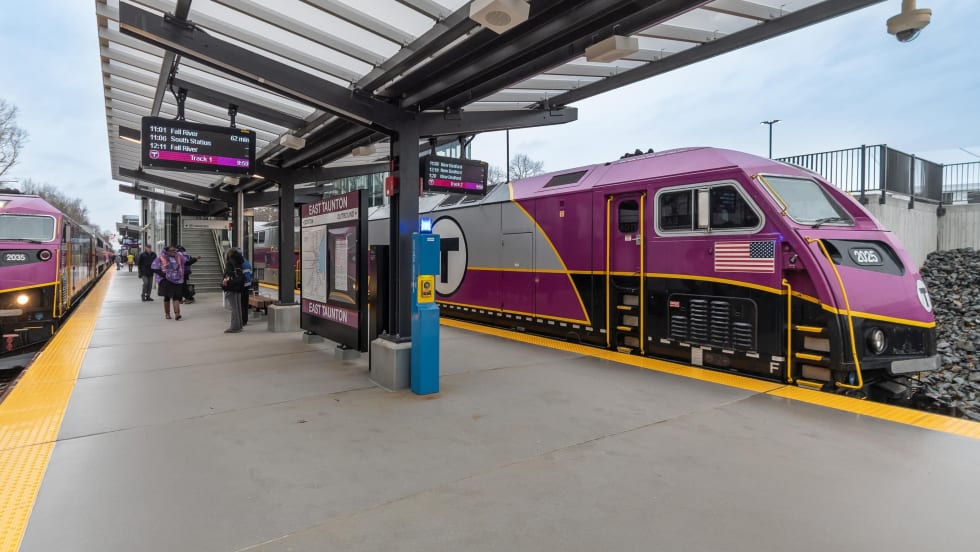
New York’s Metropolitan Transportation Authority (MTA) upgraded and rebranded its Email & Text Alert subscription service, now called My MTA Alerts®, to allow customers to request service information at specific times of the day within 30-minute intervals.
Email and text alerts were brought to the entire MTA family of agencies in 2008 and have become a popular and useful tool for customers looking for up-to-the minute service changes and the status of elevators or escalators. Subscribers can choose to receive alerts about any MTA New York City Transit subway, bus, Long Island Rail Road (LIRR) or Metro-North Railroad commuter train, or toll crossing.
“We have improved an already incredibly useful travel-planning tool with the primary goal of providing our customers additional flexibility regarding the date and specific time interval they receive notifications,” MTA Chairman/CEO Thomas F. Prendergast said. “Now, you don’t have to receive alerts about service issues that will not affect you. You can pick the times based solely on when you travel.”
While the previous alert service allowed customers to sign up for service alerts in four-hour windows, customers can now specify when they receive information in as little as 30-minute intervals based on when they travel.
Full detailed text message. Truncated text messages have been eliminated. Now customers can see the full details of a text alert on your mobile phone by clicking on View More
Unlimited Subscriptions. Once a rider establishes a primary account using an email or cell phone number, they can add as many subscriptions as you want. Many customers like this so they can set up alerts for anyone in their family based on the lines and routes they use. All email addresses and mobile numbers are listed in the same place for easy editing.
Security. To protect privacy, My MTA Alerts® requires a two-step verification process before a My MTA Alert® account is activated.
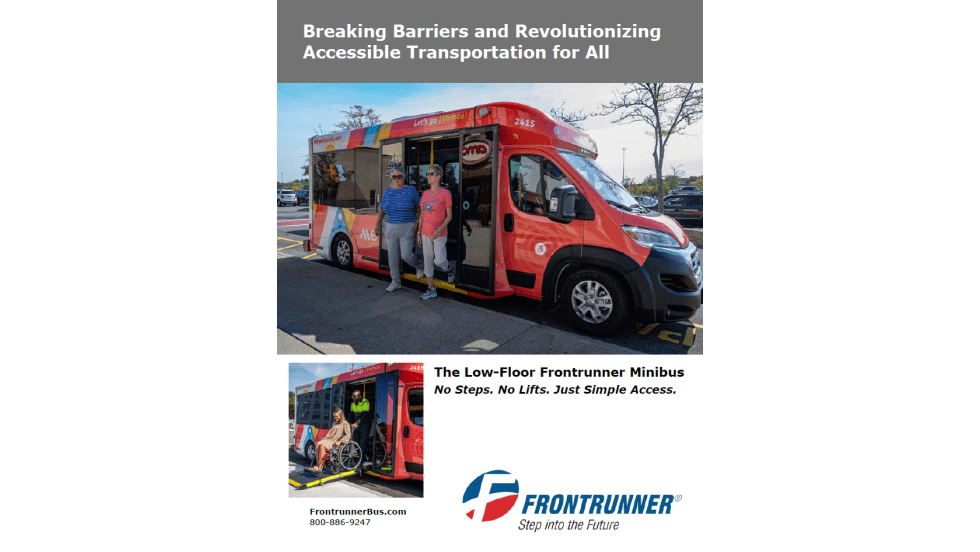
Accessible transit isn’t a feature—it’s a responsibility. This whitepaper explores how the Low-Floor Frontrunner is redefining mobility with a breakthrough design that removes barriers, empowers riders, and delivers measurable operational advantages for agencies. Discover why this next generation minibus is setting a new standard for inclusive transportation.
With major events and increased travel expected across the state this summer, the Administration is focused on making sure people have a reliable, affordable alternative to driving so we can reduce congestion, support daily commuters, and keep Massachusetts moving.
As the American Bus Association marks its 100th year, a new ABA Foundation report highlights the Marketplace’s role as a key revenue engine for the bus and group travel industry.
As motorcoaches navigate increasingly congested urban corridors filled with pedestrians, cyclists, scooters, and distracted drivers, safety leaders across the industry are confronting a growing challenge: visibility.
In part 1 of a two-part conversation, AC Transit’s director of maintenance joins co-hosts Alex Roman and Mark Hollenbeck to discuss his journey from the U.S. Marines to public transit and the role mentorship plays in developing the next generation of industry leaders.
In reaching its decision, the board considered the District’s mounting long-term structural deficits, with current projections forecasting annual operating deficits of about $50 million beginning in FY 2027-28 and continuing in the years ahead.
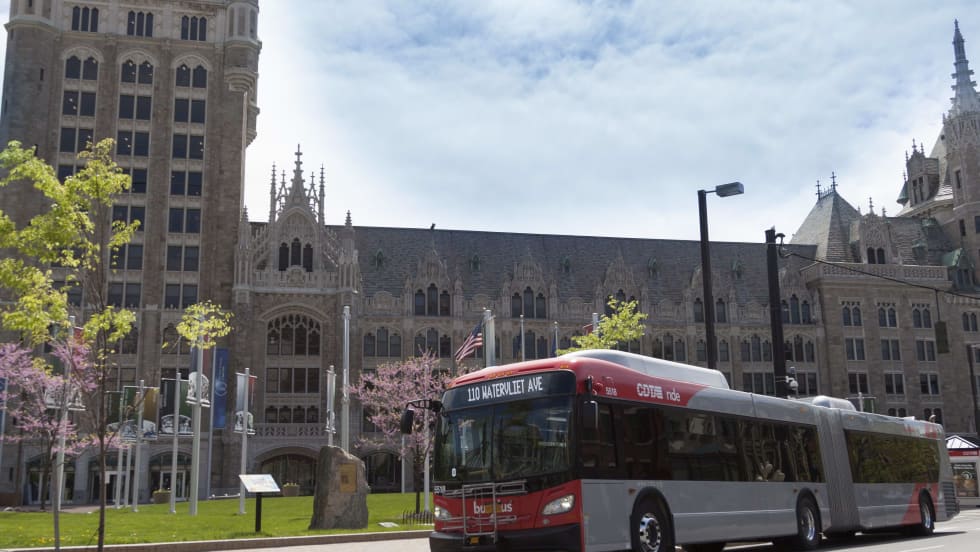
The $143 million spending plan represents a 2.4% reduction from last year’s budget. Increasing expenses, along with depleted federal COVID-19 funds, continue to impact the overall budget, CDTA officials said.