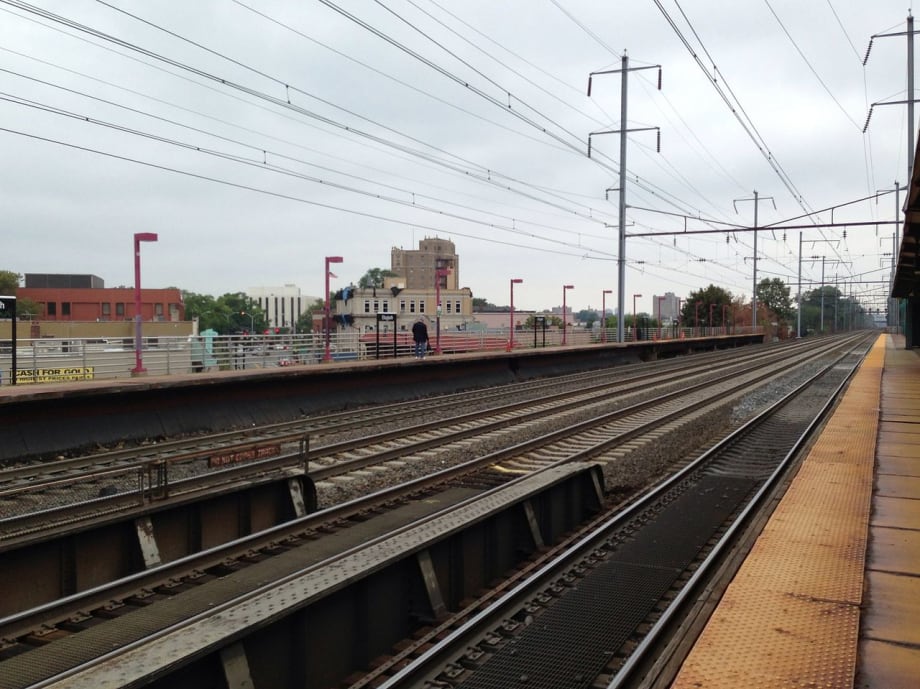
Transportation Commissioner and NJ TRANSIT Board Chairman Jamie Fox and NJ TRANSIT Executive Director Veronique “Ronnie” Hakim announced the unveiling of the preliminary design plans for a $55 million restoration of Elizabeth Station. The project includes construction of a new station building, new elevators and stairs, vendor space and reconstruction of the passenger platforms. The project will be funded through state and federal sources.
The design of the station includes a two-story station building with a street-level ticket office, waiting room and vendor space. New, extended high-level train platforms will accommodate longer, 12-car trains and the platforms will feature covered, heated and air conditioned waiting areas.
Ad Loading...
The station will include upgraded passenger information and security systems. Additional elevators, renovations to existing elevators and additional stairways will enhance platform access. The westbound plaza entrance will be highlighted by a marquee façade, new stairs and new vendor space. NJ TRANSIT and the City of Elizabeth will collaborate to incorporate art into the design of the station.
NJ TRANSIT has coordinated the design package with Amtrak to accommodate Amtrak’s future plans to add a fifth track to the Northeast Corridor, which affects station platform placement and final design approval. Upon final Amtrak approval, NJ TRANSIT will procure a design-build contractor to construct the project, with an expected completion date in 2018.
Elizabeth Station serves NJ TRANSIT's Northeast Corridor and North Jersey Coast Rail Lines as well as local bus service, including nine NJ TRANSIT bus lines. The Elizabeth Station serves an average of 7,526 weekday passenger trips (FY2014), with 113 daily trains utilizing the station.
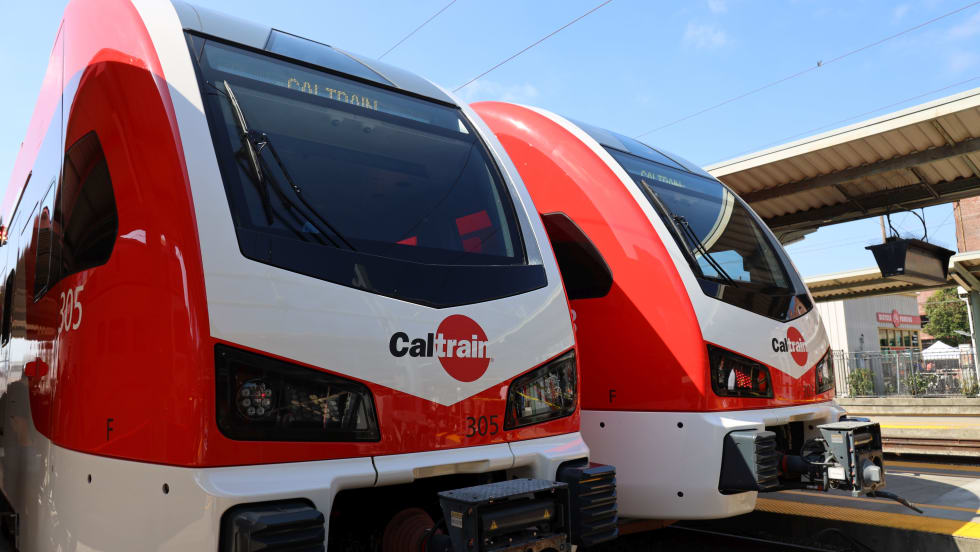
Caltrain and its partners have implemented safety improvements at specific locations in response to known risk conditions, operational needs, and available funding since the agency’s founding.
On a recent episode of METROspectives, METRO Magazine’s Executive Editor Alex Roman sat down with Ana-Maria Tomlinson, Director of Strategic & Cross-Sector Programs at the CSA Group, to explore a bold initiative aimed at addressing those challenges: the development of a National Code for Transit and Passenger Rail Systems in Canada.
Competitive FTA grants will support accessibility upgrades, family-friendly improvements, and cost-efficient capital projects at some of the nation’s oldest and busiest transit hubs.
The 3.92-mile addition will soon take riders west beyond its current Wilshire and Western station in Koreatown, continuing under Wilshire Boulevard through neighborhoods and communities including Hancock Park, Windsor Square, the Fairfax District, and Carthay Circle into Beverly Hills.
Under the plan, all long-distance routes will transition to a universal single-level fleet, replacing today’s mix of bi-level and single-level equipment.
The milestone is a significant step toward modernizing the MAX Blue Line’s power infrastructure, one of the oldest components of the region’s light rail system.
The firm will lead the Tier 2 environmental review program for the Coachella Valley Rail Corridor, including the conceptual and preliminary engineering needed to develop project-level environmental clearance.
The ATP board’s approval of ARC enables ATP to begin pre-construction activities and advance final design for Austin Light Rail under the first phase of what will be a multibillion-dollar contract.