



Bombardier wins $137M London contract
The order is part of Transport for London’s program to increase passenger capacity on the London Overground network. The 57 new cars will be used to turn existing four-car trains into five-car versions.


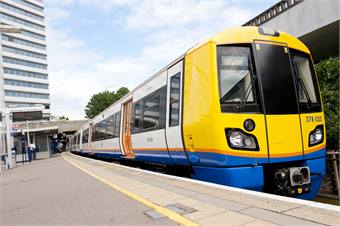
Bombardier Transportation signed a contract with Transport for London (TfL) to provide 57 additional Bombardier Electrostar railcars for the London Overground network.
The order is part of Transport for London’s program to increase passenger capacity on the London Overground network. The 57 new cars will be used to turn existing four-car trains into five-car versions. The new units will be supported under an existing maintenance contract.
The order is valued at approximately $137 million.
Delivery of the 57 new Electrostar Class 378 cars will start in late 2014 and finish in 2015. They will be built at Bombardier’s facility in Derby.
The 75 mph Class 378 units are specially designed for suburban operations with passenger comfort and safety in mind. Walk-through carriages provide more standing room and space for passengers, reflecting the type of short trips most passengers make on the network. The vehicles also include CCTV and air conditioning.
The 378s are part of the Electrostar family of Electrical Multiple Units which are in daily passenger service with other UK train operators, including c2c, Southeastern, Stansted Express, and Southern Railways. The prestigious Gautrain railway in Johannesburg, South Africa, also operates Electrostar trains.
More Rail
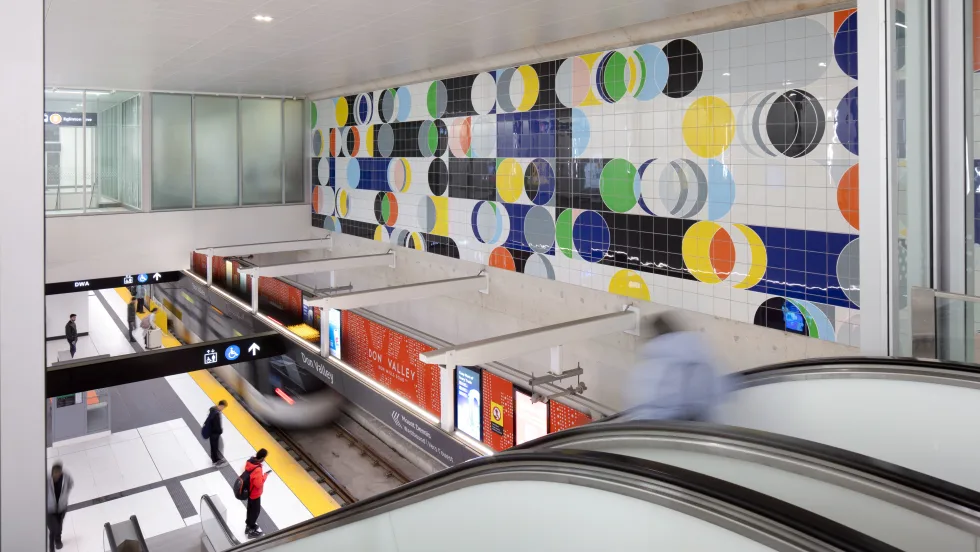
How Gen Z's Changing Mobility Habits Are Reshaping Public Transit
As younger generations embrace multimodal mobility over private vehicles, transit agencies can rethink station design, the passenger experience, and public transportation's role in building connected communities.
Read More →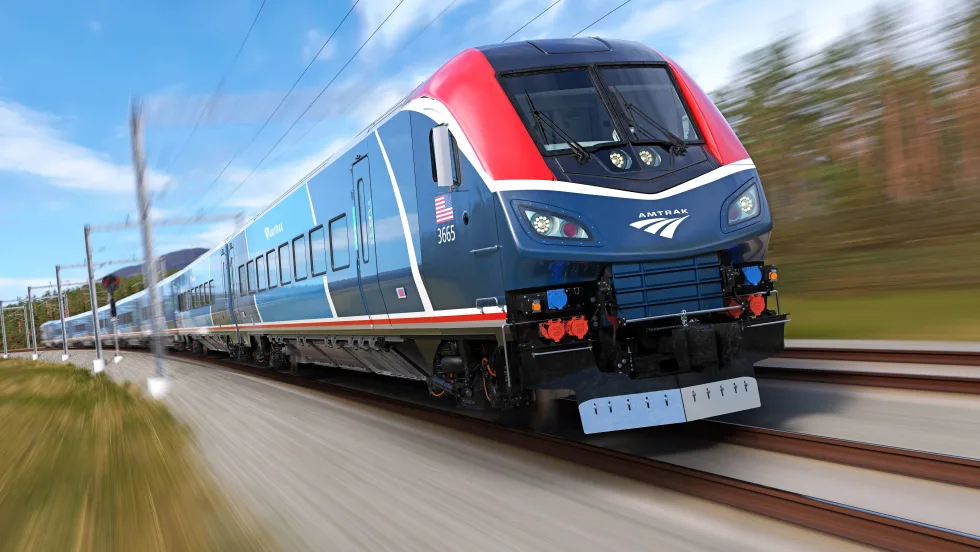
Amtrak Expands Airo Fleet with Eight Higher-Capacity Trainsets
The new 10-car trains, expected to enter service in 2031, will provide about 34% more seating capacity to meet growing demand on the Northeast Corridor.
Read More →
APTA Urges FTA to Withdraw Proposed Capital Investment Grants Guidance
The association warns that proposed changes could delay transit projects, reduce federal funding, and create new hurdles for 47 projects currently in the CIG pipeline.
Read More →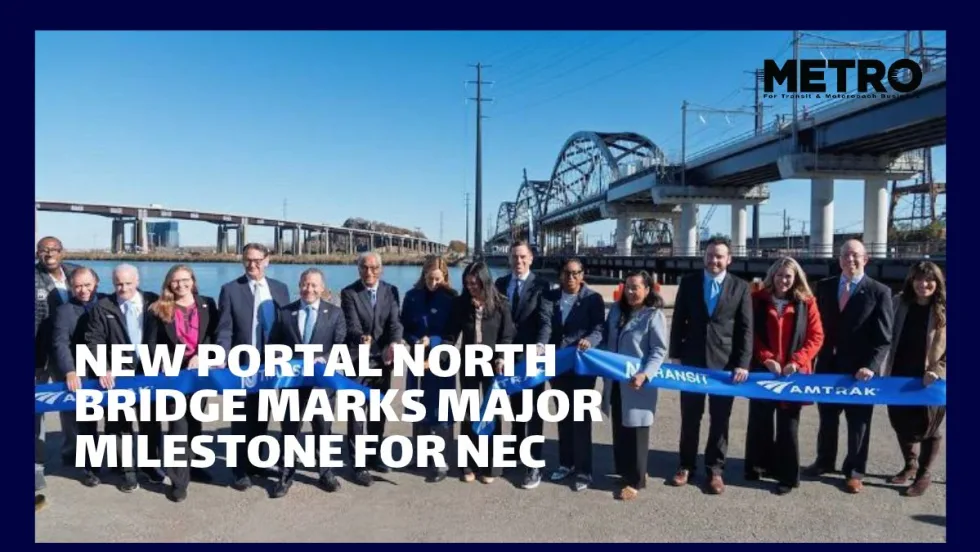
Amtrak, NJ TRANSIT Launch Full Service on New Portal North Bridge
The completion of the two-track bridge over the Hackensack River eliminates a longstanding source of delays for NJ TRANSIT and Amtrak customers. It marks a major milestone for the Gateway Program.
Read More →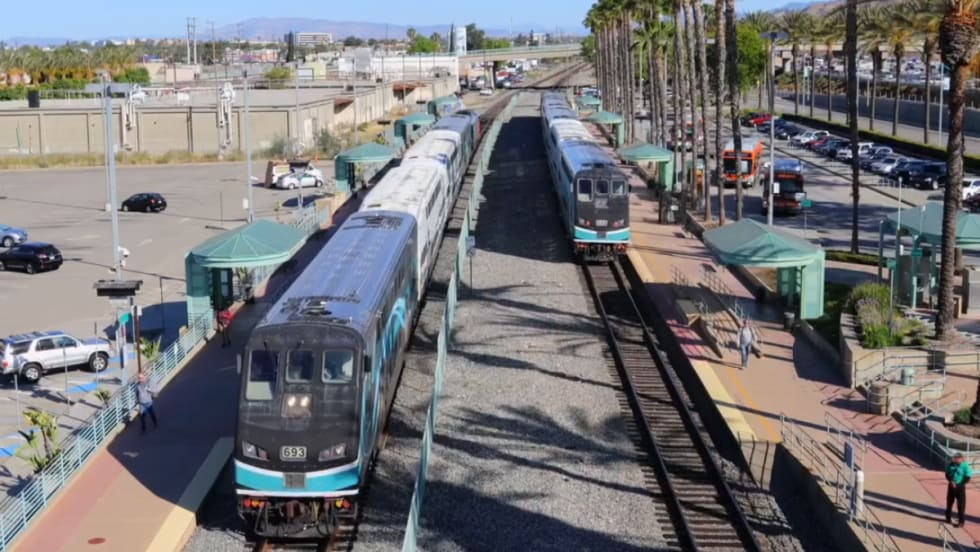
Southern California’s Metrolink Approves $508.8M Budget, Avoids Service Cuts
A $20 million state allocation allows the regional rail agency to maintain existing weekday and weekend service through fiscal year 2028, although longer-term funding challenges remain.
Read More →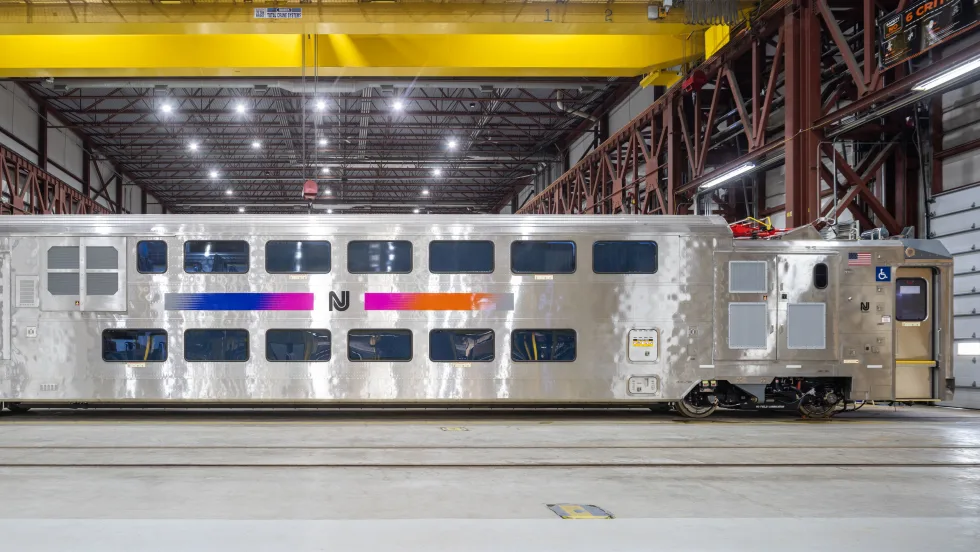
NJ TRANSIT Approves $65.6M for Hudson-Bergen Light Rail Improvements
The funding marks the first phase of a planned $250 million investment over five years to modernize stations, overhaul vehicles, and improve system reliability and passenger safety.
Read More →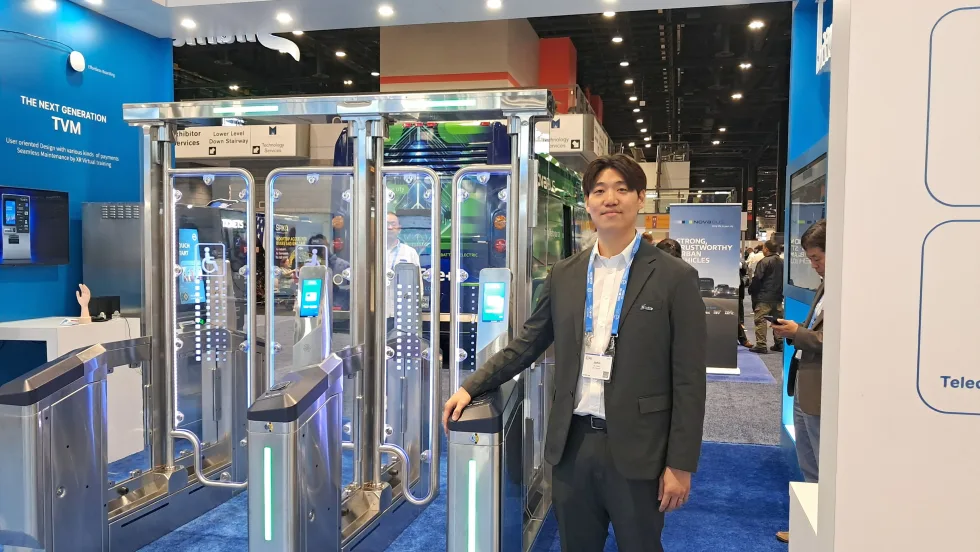
STraffic Expands North American Presence with Fare Collection Technology
John Moon, Associate Director, Product Strategy at STraffic, discusses the company's growth in North America, its efforts to reduce fare evasion, and more.
Read More →
Study: Denver RTD Generates $2.1 Billion in Annual Economic Activity
An economic impact study finds the agency supports approximately 17,500 jobs, delivers $1.6 billion in annual community and mobility benefits, and generates $2.42 in economic value for every dollar invested.
Read More →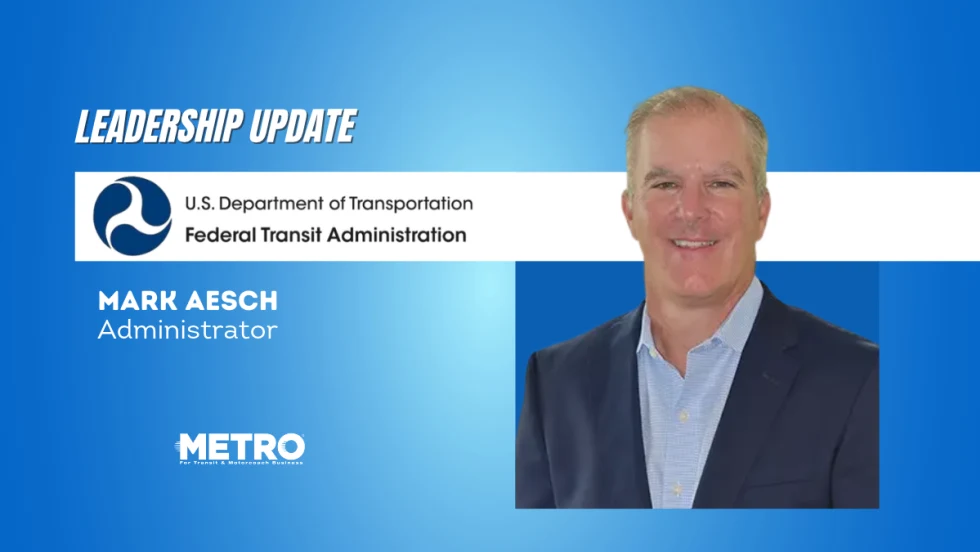
Mark Aesch Nominated to Lead Federal Transit Administration
The former Rochester transit chief and TransPro founder, who has also contributed to METRO Magazine, brings decades of industry experience and a focus on performance, accountability, and financial sustainability to the nomination.
Read More →
Transit Expands Agency Partnerships, Reaching 200 Official App Partners
COO Jake Sion discusses Transit’s growth, the success of its Transit Royale program, and how technology is helping agencies improve the rider experience.
Read More →