METRO Magazine Logo
MenuMENU
SearchSEARCH

Tips for getting SBA Bridge loans

There are many components of the stimulus package that include one-time payments to individuals, tax incentives, and low-interest loans from the Small Business Administration.

by Jim Luff
April 2, 2020
Tips for getting SBA Bridge loans

Via MIT

3 min to read


Via MIT

The federal government has been hard at work trying to keep the economy going amid the pandemic we are facing. Now that Congress has approved the $2.2 trillion coronavirus relief package, millions of Americans may soon find some financial relief. There are many components of the stimulus package that include one-time payments to individuals, tax incentives, and low-interest loans from the Small Business Administration.

One such program is called the Express Bridge Loan (EBL). The U.S. Small Business Administration (SBA) provides direct loan assistance to small businesses affected by presidentially-declared disasters and emergencies.

Ad Loading...

The EBL Program was launched in 2017 to supplement the SBA’s disaster loan capabilities. The program authorizes SBA Express Lenders to provide emergency loans in amounts up to $25,000 for disaster-related purposes to small businesses while those small businesses apply for and await long-term financing through SBA’s direct Disaster Loan Program.

Effective March 25, 2020, the SBA expanded the program eligibility to include small businesses hurt under the coronavirus disease (COVID-19). Because the COVID-19 Emergency Declaration covers all states, territories, and the District of Columbia, eligible small businesses under the EBL Program include small businesses located anywhere in the U.S.

These loans are available from banks and other SBA lenders until March 13, 2021. The EBL Pilot Program allows SBA Express Lenders to use a streamlined underwriting process for EBL loans. The lending criteria has been minimized to reduce the burden for quick processing and approval.

It is important to note not more than 10% of the total number of SBA loans granted by SBA in a fiscal year may be made under the EBL Program. This means it is important to get the application process started as soon as possible. But there is a catch. The small business must have an existing relationship with the funding bank prior to March 13, 2020. Check with your banking institutions to see if they offer SBA Loans.

Required Terms and Conditions for EBL Loans

Ad Loading...

There are a few requirements that must be met in order to be eligible. Those include not being able to get credit elsewhere and applicants must demonstrate the need for the credit based upon an adverse impact caused by the COVID-19 pandemic. The maximum loan amount is $25,000 and the loan must be structured as a term loan with a maximum term of seven years. Also note you may be required to pay the EBL loan in part or in full if you are approved for long-term disaster financing through an SBA Direct Disaster loan that allows loan proceeds to be used for EBL loan repayment.

EBL loan proceeds must be used exclusively to support the survival and/or reopening of a small business. EBL loan proceeds may be used as working capital. An EBL loan may have a fixed or variable interest rate of up to 6.5% over the prime rate. If you miss a payment, the interest rate can be increased at the bank’s discretion. A lender may not impose any fees or direct costs on an EBL applicant except for the following: An application fee of up to 2% of the loan amount or $250, whichever is greater and a Late Payment Fee not to exceed 5% of the scheduled loan payment. No collateral is required to secure an EBL loan. The minimum acceptable credit score for an EBL loan is 130. You must also be current on all tax filings with the IRS and cannot have any delinquent tax payments.

Tips and Resources

Economic Injury Disaster Loan Guide

The CARES Act expanded the Small Business Administration’s long-standing Economic Injury Disaster Loan Program(EIDL), which includes $10,000 grants for eligible applicants. The EIDL program was created to assist businesses, renters, and homeowners located in regions affected by declared disasters.

The guide is available here.

Employee Retention Tax Credit Guide

The CARES Act created a new employee retention tax credit for employers who are closed, partially closed, or experiencing significant revenue losses as a result of the coronavirus.

The guide is available here.

Small Business Emergency Loan Guide

The U.S. Chamber’s Coronavirus Small Business Emergency Loan Guide, first issued last week, outlines the steps small businesses need to take to access much-needed Payroll Protection Program(PPP) funds. The guide now includes important information including key dates as the government moves toward implementation. Recently, the Treasury Department issued more details on this paycheck protection program and a loan application available for download.

Starting April 3, small businesses and sole proprietorships can apply for loans. Starting April 10, independent contractors and self-employed individuals can apply for loans. There is a funding cap, so the Treasury Department recommends applying as soon as possible.

The guide is available here.


Parts of this article originally appeared in LCT Magazine

Subscribe to Our Newsletter

More Management

A subway train stopped at the 48th Street platform in Manhattan.
Managementby Staff and News ReportsApril 1, 2026

Manhattan’s Central Business District Travel Climbs to 6.3 Million Daily Trips as Transit Leads Growth

Although volumes remain below pre-pandemic levels, NYMTC’s latest Hub Bound report shows rising transit use, shifting commute patterns, and continued recovery.

Read More →
frontrunner bus
SponsoredApril 1, 2026

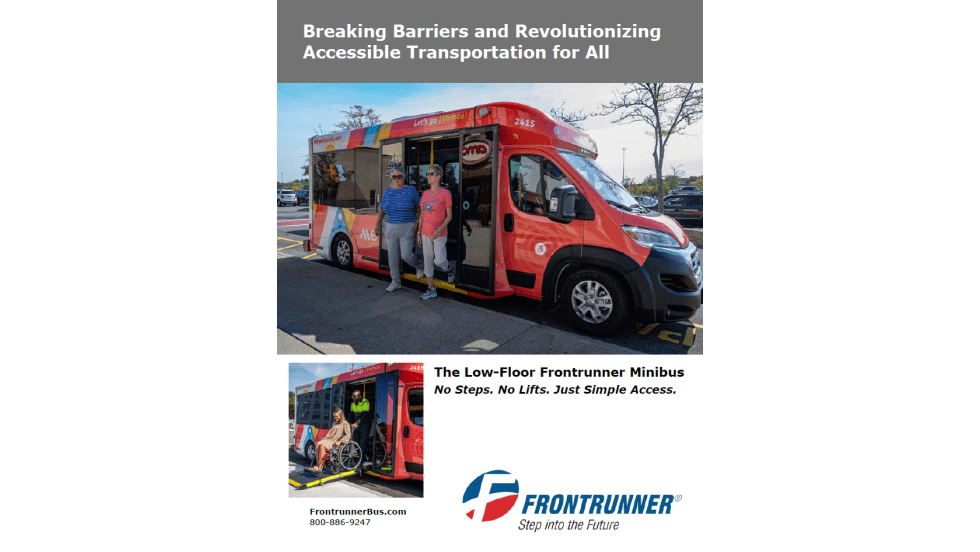
Breaking Accessibility Barriers with the Low Floor Frontrunner Minibus

Accessible transit isn’t a feature—it’s a responsibility. This whitepaper explores how the Low-Floor Frontrunner is redefining mobility with a breakthrough design that removes barriers, empowers riders, and delivers measurable operational advantages for agencies. Discover why this next generation minibus is setting a new standard for inclusive transportation.

Read More →
An MBTA commuter rail at a station.
Railby StaffMarch 31, 2026

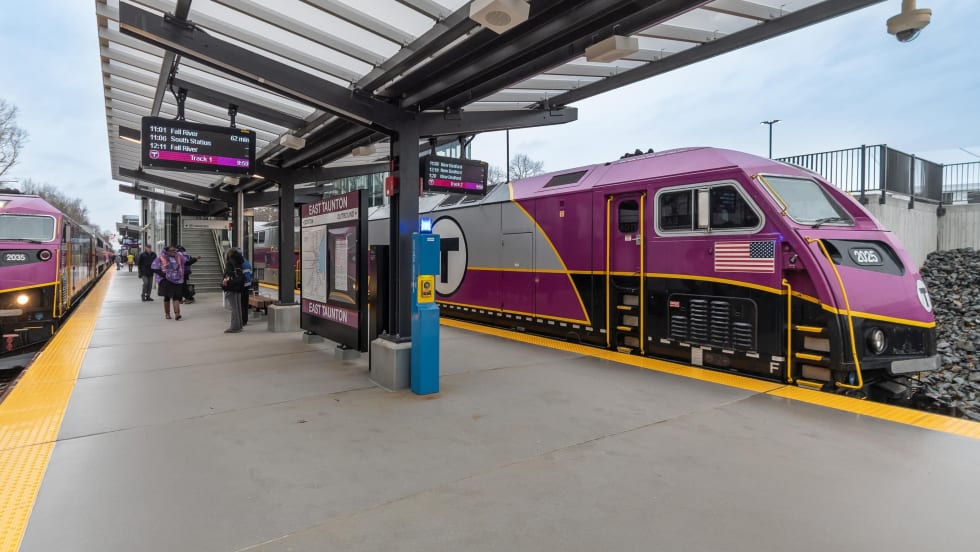
Massachusetts Announces Summer Savings for Commuter Rail Riders

With major events and increased travel expected across the state this summer, the Administration is focused on making sure people have a reliable, affordable alternative to driving so we can reduce congestion, support daily commuters, and keep Massachusetts moving.

Read More →
Ad Loading...
A MARTA employee using the new Better Breeze fare ticket machines.
Managementby StaffMarch 30, 2026

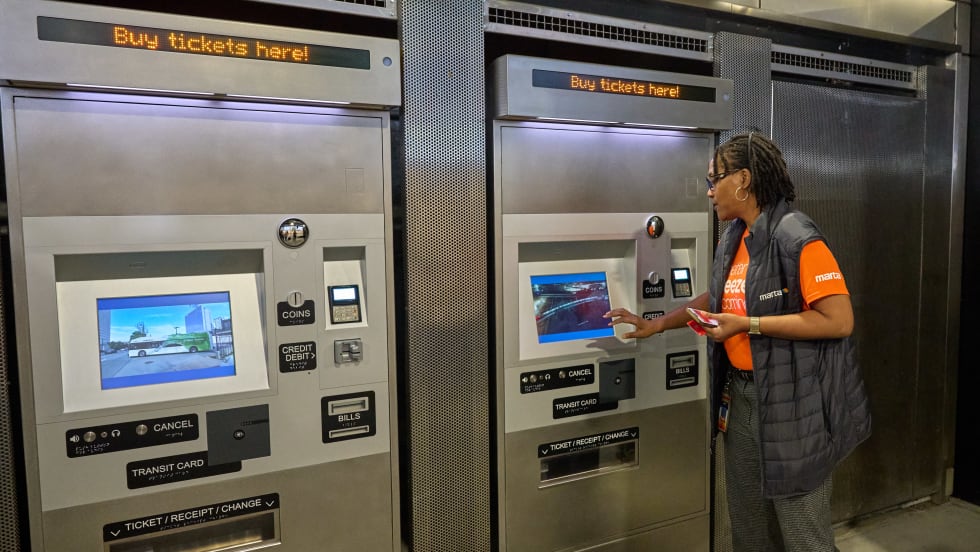
Updated: MARTA’s New 'Better Breeze' Fare System Goes Live

The new system introduces tap-to-pay, touchscreen kiosks, and updated Breeze cards, with both old and new systems running through May.

Read More →
ABA Marketplace Report
Motorcoachby StaffMarch 30, 2026

ABA Marketplace Drives $124.9M in Business, New Report Finds

As the American Bus Association marks its 100th year, a new ABA Foundation report highlights the Marketplace’s role as a key revenue engine for the bus and group travel industry.

Read More →
Coach USA, Samsara cover shot
Technologyby Alex RomanMarch 30, 2026

How Coach USA Is Using AI to Prevent Bus Accidents

As motorcoaches navigate increasingly congested urban corridors filled with pedestrians, cyclists, scooters, and distracted drivers, safety leaders across the industry are confronting a growing challenge: visibility.

Read More →
Ad Loading...
Five different gold commemorative Smart Trip card designs.
Managementby StaffMarch 27, 2026

WMATA Proposes Revised FY2027 Budget as System Marks 50 Years of Service

Updated financial plan reflects ridership growth and cost controls as the Washington region’s transit system celebrates five decades of operations.

Read More →
Cover photo for Bus Tech Talk with Cecil Blandon
Managementby Alex RomanMarch 27, 2026

AC Transit’s Cecil Blandon on Leadership, Mentorship, and a Career in Transit

In part 1 of a two-part conversation, AC Transit’s director of maintenance joins co-hosts Alex Roman and Mark Hollenbeck to discuss his journey from the U.S. Marines to public transit and the role mentorship plays in developing the next generation of industry leaders.

Read More →
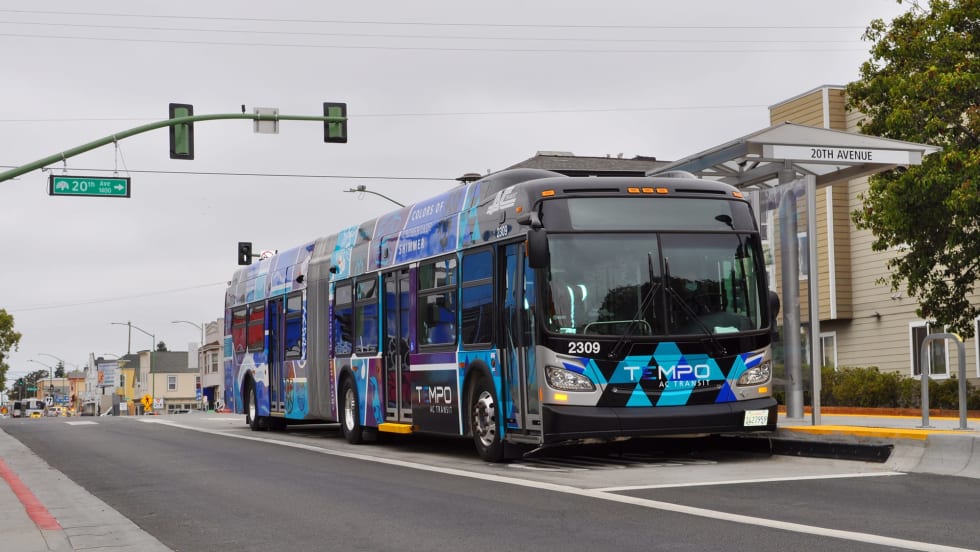
An AC Transit Tempo bus
Managementby StaffMarch 27, 2026

California's AC Transit Greenlights Development of Service Contingency Plan

In reaching its decision, the board considered the District’s mounting long-term structural deficits, with current projections forecasting annual operating deficits of about $50 million beginning in FY 2027-28 and continuing in the years ahead.

Read More →
Ad Loading...
A CDTA bus
Managementby StaffMarch 27, 2026

New York's CDTA Approves 2027 Operating, Capital Plan

The $143 million spending plan represents a 2.4% reduction from last year’s budget. Increasing expenses, along with depleted federal COVID-19 funds, continue to impact the overall budget, CDTA officials said.

Read More →