



Las Vegas' RTC Ups Bus Service, Increases COVID-19 Measures
As well as continuing with its ongoing cleaning and safety measures, the RTC is debuting a new online dashboard feature that will provide information on how the pandemic is affecting the RTC’s transit service.
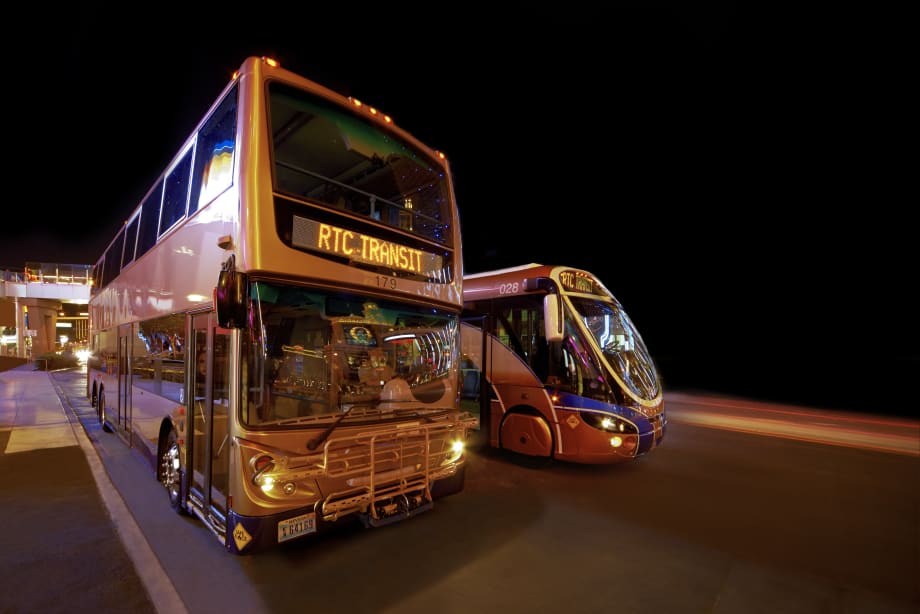
The RTC has implemented numerous precautions over the past several months from its 14-Point Safety Plan, such as disinfecting vehicles nightly, requiring face coverings, and more.
RTC of Southern Nevada
With a large number of customers using its public transportation system, the Regional Transportation Commission of Southern Nevada (RTC) is responding by increasing weekday service to a Saturday schedule, while also pursuing additional ways to protect riders during the pandemic.
As well as continuing with its ongoing cleaning and safety measures, the RTC is incorporating additional technologies and debuting a new online dashboard feature that will provide information on how the pandemic is affecting the RTC’s transit service.
Effective July 20, the RTC will transition to a Saturday schedule on weekdays and Saturdays. The system is currently operating on a Sunday schedule because of a severe drop in ridership since mid-March. RTC transit planners have seen an increase in ridership demand recently. The schedule change will add more frequent service to many routes and enhance reliability.
The RTC has implemented numerous precautions over the past several months from its 14-Point Safety Plan, such as disinfecting vehicles nightly, requiring face coverings, and more. The 14-Point Safety Plan details the extensive actions the agency is currently implementing or is planning to implement in the future.
The RTC is exploring additional measures to keep riders safe, including:
Air ion cleaners to kill germs and viruses in the air while RTC vehicles are on the road.
Live, up-to-the-minute passenger counts so customers can review a vehicle’s current ridership data and make a personal decision about boarding or waiting for another vehicle.
Sanitation information displayed on each vehicle to inform riders of when the vehicle was last sanitized.
Micro-bacterial shields applied to seats and high-touch surfaces of each vehicle purchased moving forward.
These additional safety measures are still in the planning phase, but the RTC plans to implement most of these technologies by the end of 2020.
To be transparent about how the pandemic is affecting RTC’s transit service, the agency has also created an online data dashboard comprised of ridership numbers, vehicle on-time performance data, vehicle capacity updates, and more information. The feature provides a comparison of current data to that before the pandemic. The information will be updated regularly as new information is available.
More Bus

New York MTA Plans Largest Bus Fleet Upgrade in More Than a Decade
The agency is seeking manufacturers for 650 new CNG buses to replace aging vehicles, improve reliability, and advance its broader fleet modernization strategy.
Read More →
Building a Flexible Path to Transit Electrification
John Hroncich discusses BAE Systems’ modular and scalable approach, lessons learned from decades of real-world operations, and how agencies can identify electrification strategies that fit their fleets.
Read More →
Bus Tech Talk: Keeping Transit Technicians Ahead of the Technology Curve
LA Metro’s Obed Mejia discusses technician training, evolving maintenance technology, fleet replacement, and strategies for getting the most out of today’s transit fleets.
Read More →
Biz Briefs: RIPTA Unveils New Frontrunners, Clevland RTA Adds New Siemens, and More
In METRO's latest installment, we take a look at recent news from Siemens, Prevost, Dodge, and more partnerships making headlines across the transportation sector.
Read More →
People Movement: Holly Arnold Joins Transdev and More
In this edition, we also cover recent appointments and announcements at Pace, CamTran, MCI, and more, showcasing the individuals helping to shape the future of transportation.
Read More →
The High Cost of Transit Buses: Industry Leaders Look to Procurement Reform
Transit leaders and policymakers examine how standardized bus designs, streamlined procurement, and predictable funding could help agencies stretch budgets and deliver better service.
Read More →
The Business Voice Behind Public Transportation
As chair of APTA’s Business Members Board of Governors, Ray Melleady explains how more than 850 business members are partnering with transit agencies to advance funding, innovation, and industry-wide collaboration.
Read More →
From Surviving to Thriving: Building Stronger Transportation Organizations
Bus Business Consultants founder Brian Dickson shares lessons on leadership, organizational health, and creating options for long-term success in a changing transportation industry.
Read More →
Finding the ‘Happy Medium’: Optimizing Maintenance Without Sacrificing Reliability
The key to maintenance optimization isn’t doing less work—it’s doing the right work at the right time on the right assets.
Read More →
LA Metro, City of West Hollywood, and Partners Advance Smarter Bus Lane Enforcement
The award-winning partnership combines AI-powered detection with human oversight to improve bus reliability, accessibility, and enforcement efficiency.
Read More →