



Consortium Completes First-Ever Automated Bus Specification
The specification combines APTA’s white book for standard bus specification with the new full-size bus automated driving system requirements developed by AECOM, which formed the Automated Bus Consortium.
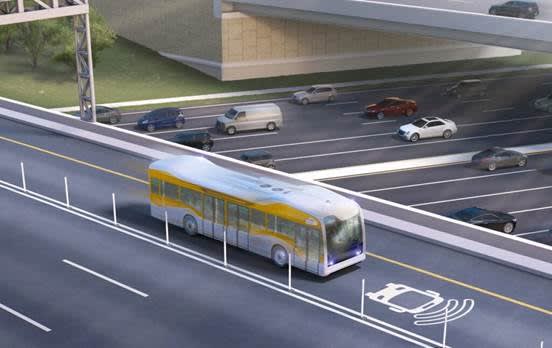
Rendering courtesy of AECOM. Depiction of full-sized, full-speed bus.
The Automated Bus Consortium, a collective of U.S. transit and transportation agencies formed to investigate the feasibility of implementing pilot automated bus projects, announced the completion of the country’s first-ever automated bus performance specification. The specification combines the American Public Transportation Association’s white book for standard bus specification with the new full-size bus automated driving system requirements developed by AECOM, which formed the consortium.
Its development marks a significant achievement of the Automated Bus Consortium, which prepared the document with input from its own Bus Specification Technical Committee as well as through one-on-one meetings with interested bus suppliers. The Technical Committee also incorporated the industry’s perspectives on automated bus programs. The specification phases in required automated bus capabilities over three stages with each stage providing a higher level of bus automation through software updates over a two-year period.
The current schedule calls for an early 2021 RFP release to candidate bus manufacturers. This significant step forward is just one of many for the consortium, which also marked milestones in such areas as feasibility studies completion with risk analysis, pilot project selection, regulatory reviews, financial planning, and charging strategy development for each member agency.
A first of its kind collaborative approach to accelerating automated transit technologies deployment, the consortium will combine the purchasing power and collaborative decision-making of participating transit and transportation agencies nationwide. Pilot projects will use full-sized, full-speed buses enabling members to collectively demonstrate and use automated technologies in varied live service environments.
More Technology

Scenes from APTA TRANSform & EXPO 2026
Transit leaders, manufacturers, and industry professionals gathered in Chicago to explore new technologies, share ideas, and discuss the future of public transportation.
Read More →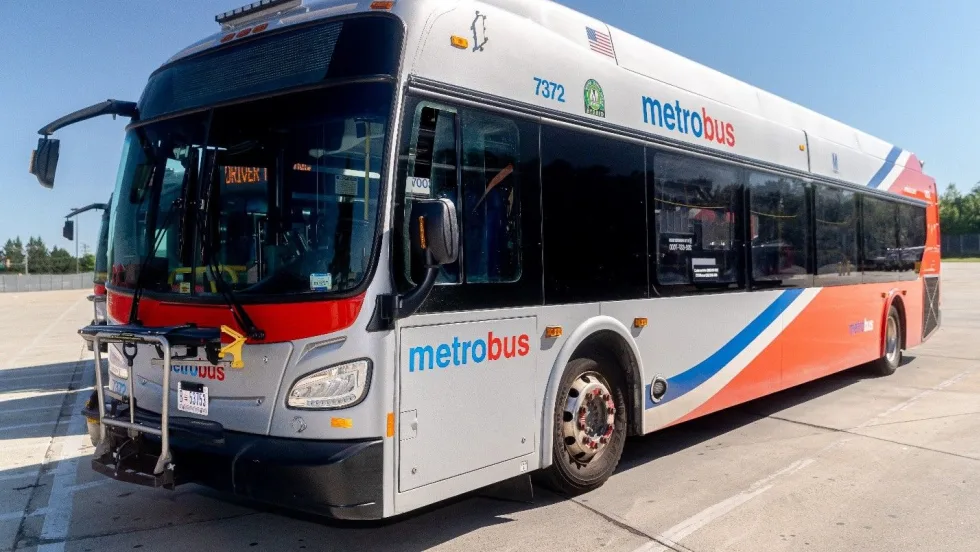
Biz Briefs: New Flyer Secures Additional 100-Bus Order from WMATA and More
In METRO's latest installment, we also take a look at recent news from Masabi, MCI, Samsara, and more partnerships making headlines across the transportation sector.
Read More →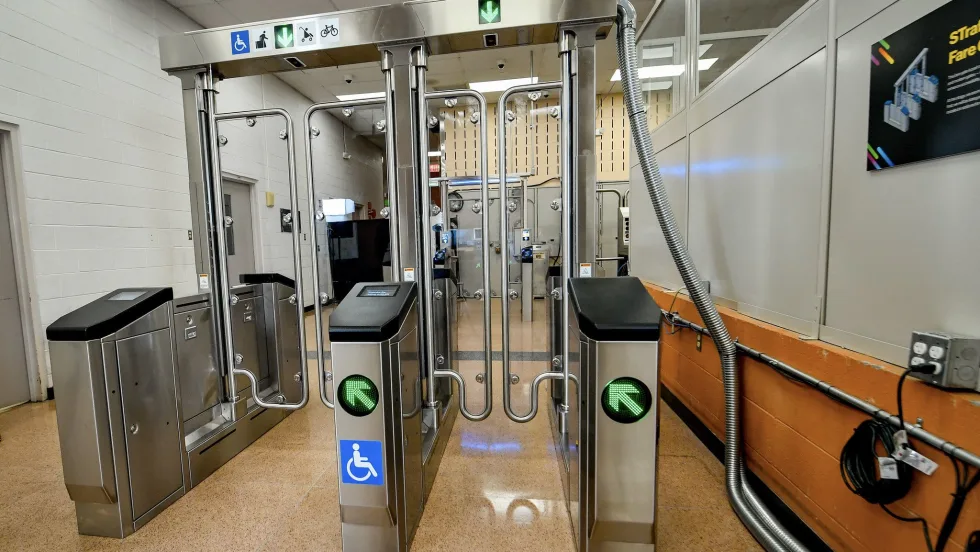
MTA Fare Gate Pilot Reduces Fare Evasion by 35%
Following a 20-station pilot, the agency plans to install new fare gates at 20 additional subway stations as part of a $1.1 billion modernization initiative.
Read More →
California Law Extends AC Transit’s Bus Lane Camera Enforcement
The new law allows AC Transit to continue using forward-facing bus cameras to enforce parking violations in bus-only lanes and at bus stops.
Read More →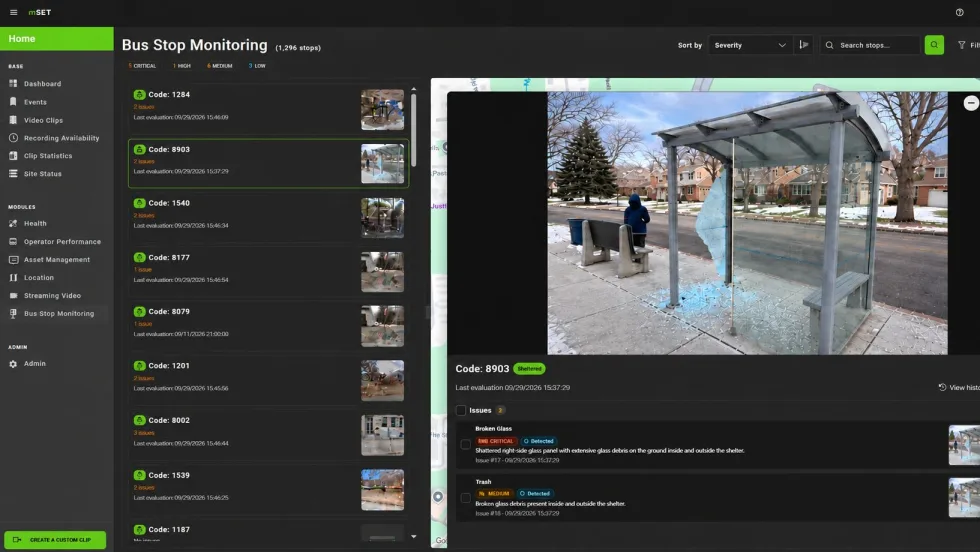
Biz Briefs: Luminator Launches AI Technology to Monitor Bus Stop Conditions and More
In METRO's latest installment, we also take a look at recent news from Masabi, Troman Industries, ioki, CCW, and more partnerships making headlines across the transportation sector.
Read More →
Public Transit Conference Returning to GFX in 2027, Call for Papers Now Open
The Call for Papers is now open, allowing transit agency professionals and industry experts to help shape the PTC educational program by submitting session ideas for consideration.
Read More →
ENC Lands MATA Contract and More in Biz Briefs
In this edition of Biz Briefs, we spotlight the latest developments shaping the future of mobility.
Read More →
Strada360’s Steve Lassey on Turning Transit Data Into Better Decisions
From breaking down data silos to preparing for AI, Strada360 CEO Steve Lassey discusses how transit agencies can use technology to improve operations, customer information, and long-term decision-making.
Read More →
Almaviva Looks to Open Architecture to Advance Transit Technology
Eric Reese discusses how interoperability, open architecture, and modular design can help transit agencies control costs, reduce vendor lock-in, and upgrade technology without starting over.
Read More →
Driving Smarter Paratransit
John Hanlon shares how AlphaRoute is leveraging AI-powered technology to help paratransit providers optimize operations, support frontline staff, and enhance the rider experience.
Read More →