



Alstom to Supply 60 New Flexity Streetcars for the TTC
The new streetcar order will be used to meet Toronto’s ridership demands and growth needs.

The Flexity LRVs for the TTC are five-module, unidirectional vehicles with all-wheel drive.
Alstom
Alstom will supply a total of 60 Flexity 100% low-floor, zero-emission light rail vehicles (LRVs) to the Toronto Transit Commission (TTC), under a contract valued at over $333 million. The new streetcar order will be used to meet Toronto’s ridership demands and growth needs.
The Flexity LRVs for the TTC are five-module, unidirectional vehicles with all-wheel drive. They are based on light rail technology modified to TTC specifications and special requirements of Toronto’s streetcar network. To date, 204 streetcars have been delivered to the TTC, and the additional order of 60 streetcars will help maintain jobs and expertise, particularly at Alstom’s site in Thunder Bay, Ontario, which has experience assembling and testing previously delivered streetcars to the TTC. The streetcar project will be supported by Alstom sites in St-Bruno and La Pocatière, Quebec, which will provide project management and certain component sub-assembly, respectively. It will allow Alstom to maintain 400 jobs at the Thunder Bay and La Pocatière facilities.
In addition to streetcars, Alstom has also supplied 480 Toronto Rocket subway cars to the TTC and is currently providing a communications-based train control (CBTC) railway signaling solution on Line 1 Yonge–University as well as the Toronto-York Spadina Subway Extension.
More Rail

Biz Briefs: RIPTA Unveils New Frontrunners, Clevland RTA Adds New Siemens, and More
In METRO's latest installment, we take a look at recent news from Siemens, Prevost, Dodge, and more partnerships making headlines across the transportation sector.
Read More →
CATS Gold Line Marks 5 Years of Service, 2.8M Passenger Trips
With a six-mile expansion planned, the Charlotte streetcar is positioned to connect more neighborhoods and major transit hubs across the region.
Read More →
Why Simulating Pedestrian Movement Has Become Essential for Modern Rail Stations
Pedestrian microsimulation is helping rail planners identify bottlenecks, test station designs, and prepare complex transit hubs for growing passenger volumes.
Read More →
Amtrak Begins Major Construction at New York’s Sunnyside Yard
The new maintenance facility will support Amtrak’s Airo trainsets while improving maintenance efficiency and turnaround times in New York.
Read More →
Chicago Leaders Unveil Plans for O’Hare Airport Express Train
The privately developed project would offer a 15-minute trip between downtown and O’Hare’s Terminal 2, with trains operating every 15 minutes on a dedicated track. The service would use battery-electric trains and three existing freight rail rights-of-way.
Read More →
OCTA Maps Out 30-Year Strategy to Protect Coastal Rail Corridor
The draft feasibility report identifies strategies to protect the coastal rail line for decades as the agency continues near-term stabilization and sand placement efforts.
Read More →
The Business Voice Behind Public Transportation
As chair of APTA’s Business Members Board of Governors, Ray Melleady explains how more than 850 business members are partnering with transit agencies to advance funding, innovation, and industry-wide collaboration.
Read More →
FRA Announces $5.3B in Rail Investments, Including $2B for Amtrak
Funding will support grade-crossing improvements, infrastructure upgrades, and new Amtrak equipment in 23 states.
Read More →
Finding the ‘Happy Medium’: Optimizing Maintenance Without Sacrificing Reliability
The key to maintenance optimization isn’t doing less work—it’s doing the right work at the right time on the right assets.
Read More →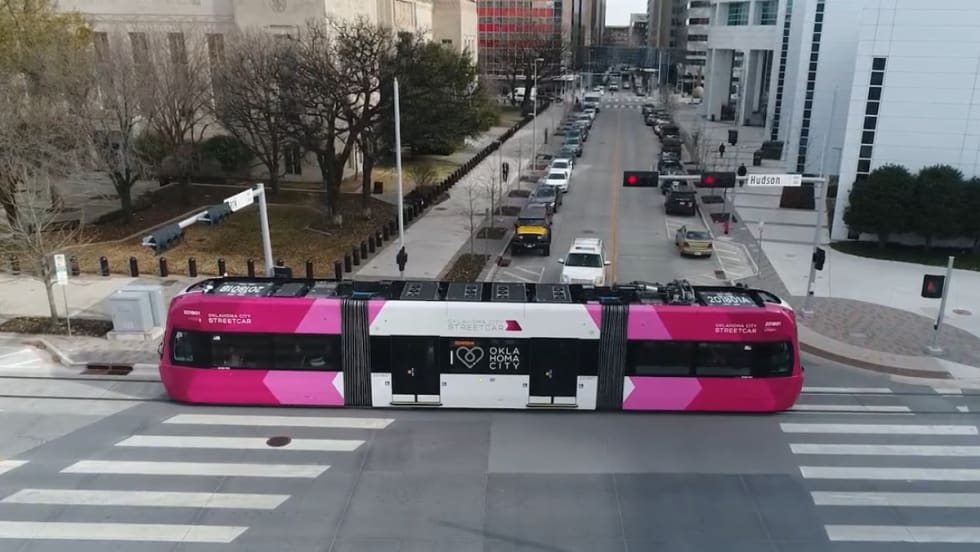
OKC Streetcar Makes Zero-Fare Service Permanent
Ridership increased an average of 71% compared with the same period a year earlier during the fare-free pilot.
Read More →