




Keep Reading: OCTA Extends Senior Mobility Program Agreements Through 2031
OCTA Maps Out 30-Year Strategy to Protect Coastal Rail Corridor
The draft feasibility report identifies strategies to protect the coastal rail line for decades as the agency continues near-term stabilization and sand placement efforts.
August 27, 2026
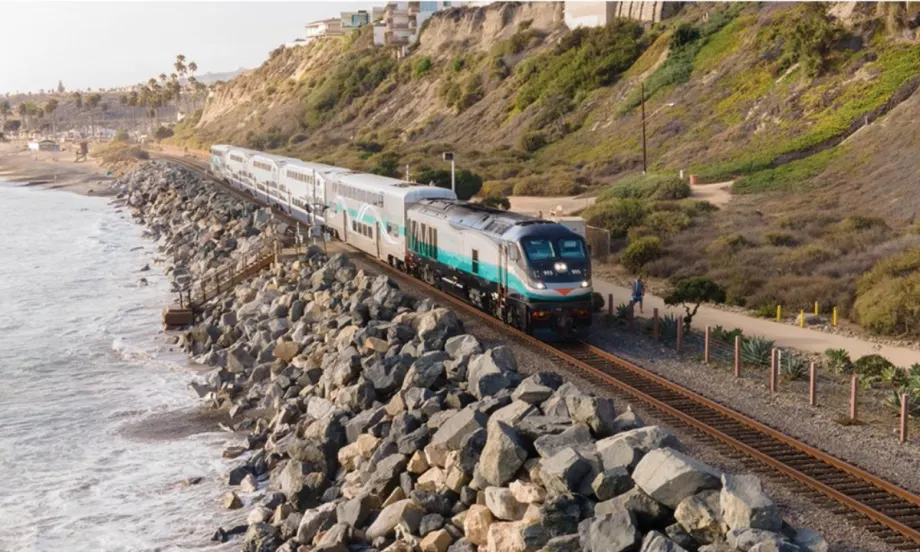
OCTA is advancing plans to place up to approximately 540,000 cubic yards of sand along the San Clemente coastline to help support protection of the rail corridor.
Credit:
OCTA
3 min to read
The Orange County Transportation Authority Board of Directors on Monday reviewed the Draft Coastal Rail Resiliency Feasibility Report and directed staff to continue coordinating with stakeholders, regulatory agencies, and the public before finalizing the study later this year.
The report marks the latest step in OCTA’s Coastal Rail Resiliency Study, launched in late 2023 to evaluate potential strategies for protecting approximately 7 miles of the Los Angeles-San Diego-San Luis Obispo (LOSSAN) Rail Corridor through Dana Point and San Clemente to the Orange County-San Diego County line.
The study focuses on identifying feasible approaches to protect the existing rail line and maintain safe, reliable passenger and freight rail operations for up to the next 30 years, while a separate, state-led effort will examine longer-term solutions for the corridor beyond that timeframe.
“This is an important step toward identifying practical solutions that can help protect this critical rail corridor while continuing to incorporate input from residents, regulatory agencies and other stakeholders,” said OCTA Chair Jamey M. Federico, also a Dana Point council member. “The work ahead will require continued coordination among local, state and federal agencies, and we remain committed to advancing solutions that support safe and reliable rail service while continuing to be a partner in broader coastal resiliency planning efforts.”
The Draft Feasibility Report does not identify a single preferred project or propose one solution for the entire 7-mile corridor. Instead, it provides a more detailed technical foundation for future project development. It identifies a toolbox of potentially feasible rail, bluffside, and beachside concepts that could be applied selectively based on conditions at specific locations.
The study initially evaluated 23 concepts, including rail-foundation improvements, alternative railroad materials, catchment walls, bluff-stabilization measures, and a range of beachside protection approaches. Following technical analysis, public input and feedback from the OCTA Board and regulatory agencies, the refined beachside concepts carried forward in the study all include sand placement and, depending on location, could also include repairing or restoring existing reinforcement boulders known as riprap, engineered revetments, seawalls, or combinations of those approaches.
Any future project would require additional engineering and alternatives analysis, environmental review under applicable state and federal requirements, continued public engagement, permits and approvals from regulatory agencies, and identified funding before construction could proceed.
OCTA’s Ongoing Coastal Rail Challenges
Since 2021, coastal erosion, bluff movement, landslides, high tides, storms, and powerful ocean swells have contributed to repeated rail service disruptions in San Clemente totaling nearly a full year. OCTA has responded with emergency stabilization work at several priority locations while advancing the Coastal Rail Resiliency Study, which aims to shift from repeated emergency responses to a more coordinated, proactive approach.
OCTA has secured more than $300 million in state, federal, and local funding for those priority rail protection efforts. Sand placement is also a significant component of this effort.
OCTA is advancing plans to place up to approximately 540,000 cubic yards of sand along the San Clemente coastline to help support protection of the rail corridor. That effort follows an initial placement of approximately 2,500 cubic yards of sand at North Beach in 2025 and is being coordinated with other planned sand-placement projects in South Orange County. The CRRS will pursue additional sand-placement efforts as a rail protection strategy.
The Draft Feasibility Report concludes that the coastal rail corridor continues to face long-term vulnerabilities and that short-term stabilization measures alone will not eliminate risks to rail operations. It also identifies the need for significant interagency coordination, environmental review, engineering, and capital investment to maintain reliable rail service over the coming decades.
OCTA staff will continue incorporating feedback received during the study process and will return to the board as additional project-development milestones are reached.
The LOSSAN Corridor is one of the nation’s busiest passenger and freight rail corridors, serving Metrolink, Amtrak’s Pacific Surfliner, freight rail operations and military transportation. OCTA’s ongoing work is intended to protect this vital transportation link and maintain safe, reliable rail service while longer-term solutions for the corridor are evaluated.
More Rail

First Full MetroLink Rail Expansion Completed in 20 Years with $192M Airport Project
The project links two St. Louis-area airports by light rail while adding roadway and bike trail connections to improve regional access and mobility.
Read More →
Utilimarc Launches SmartReplace to Optimize Fleet Replacement Decisions
AI-powered SmartReplace helps fleets prioritize vehicle replacements, model budget scenarios, and build more defensible long-term strategies.
Read More →
Scenes from APTA TRANSform & EXPO 2026
Transit leaders, manufacturers, and industry professionals gathered in Chicago to explore new technologies, share ideas, and discuss the future of public transportation.
Read More →
USDOT Awards $416 Million for Florida Rail Crossing Safety Upgrades, New Brightline Station
The projects aim to reduce risks for motorists and pedestrians at rail crossings while expanding passenger rail access along Florida’s Space Coast.
Read More →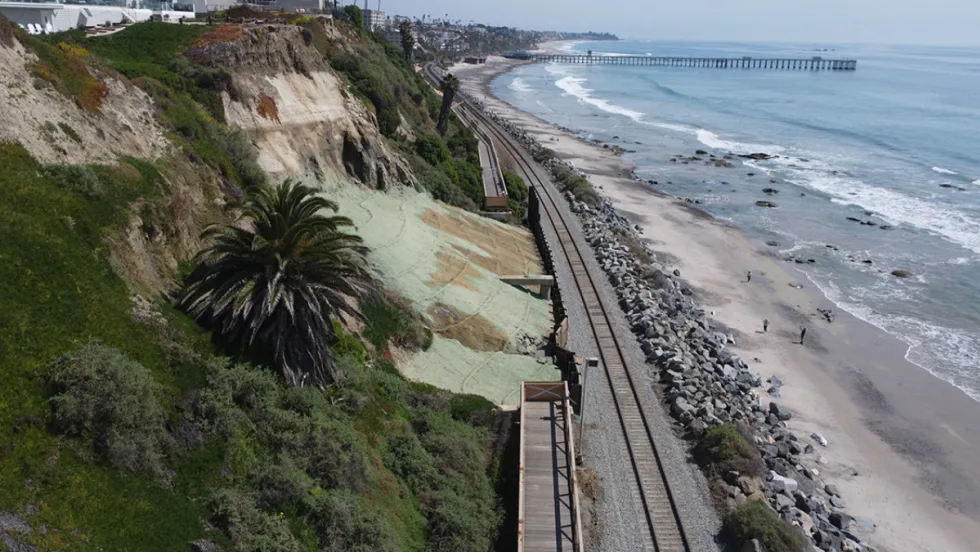
OCTA Declares Emergency to Protect Rail Corridor From Coastal Erosion
The California agency is accelerating shoreline protection and plans to place approximately 690,000 cubic yards of sand along the San Clemente coast to protect a key passenger and freight rail link.
Read More →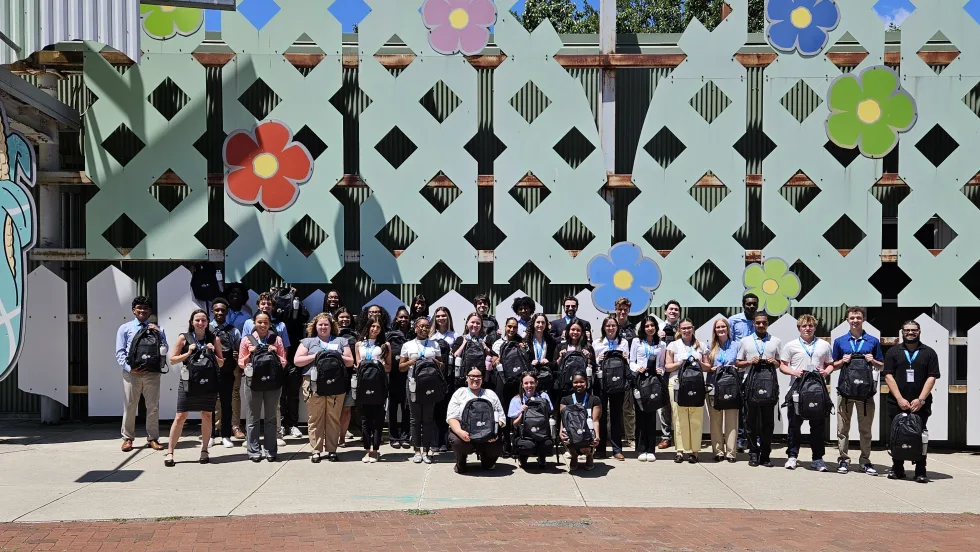
More Than a Summer Job: Building the Next Generation of Transit Talent
The Delaware River Port Authority and PATCO have transformed their internship program into a hands-on professional development experience that introduces students to the breadth of transportation careers — and creates a pipeline for future employees.
Read More →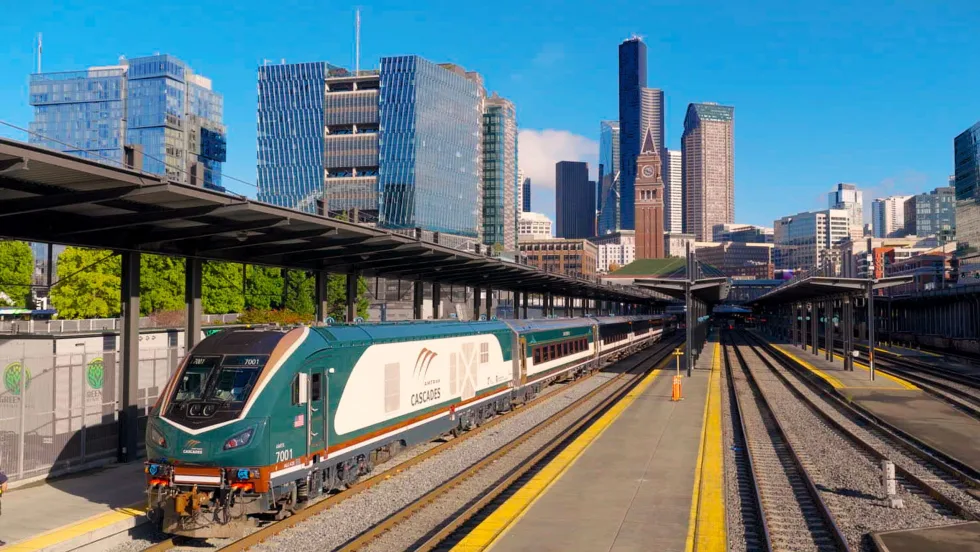
Airo Trains Make Their Amtrak Cascades Debut in the Pacific Northwest
Effective immediately, two cutting-edge Airo trainsets will join the Amtrak Cascades route, operating four daily trips between Vancouver, B.C., Seattle, Portland, and Eugene, Oregon, marking the first introduction of Airo trains into passenger service anywhere in the country.
Read More →
Florida's Brightline Announces Financial Restructuring
Brightline Florida says train operations will continue as normal as certain parent entities enter Chapter 11 and financial stakeholders provide $490 million in new long-term capital.
Read More →
ENC Lands MATA Contract and More in Biz Briefs
In this edition of Biz Briefs, we spotlight the latest developments shaping the future of mobility.
Read More →
Strada360’s Steve Lassey on Turning Transit Data Into Better Decisions
From breaking down data silos to preparing for AI, Strada360 CEO Steve Lassey discusses how transit agencies can use technology to improve operations, customer information, and long-term decision-making.
Read More →