



WMATA Targets Zero-Emission Bus Fleet By 2045
The board took a major step toward reducing greenhouse gas emissions and improving local air quality with the approval of a new Metrobus fleet strategy that would create a 100% zero-emission bus fleet by 2045, with a full transition to electric or other zero-emission bus purchases by 2030.
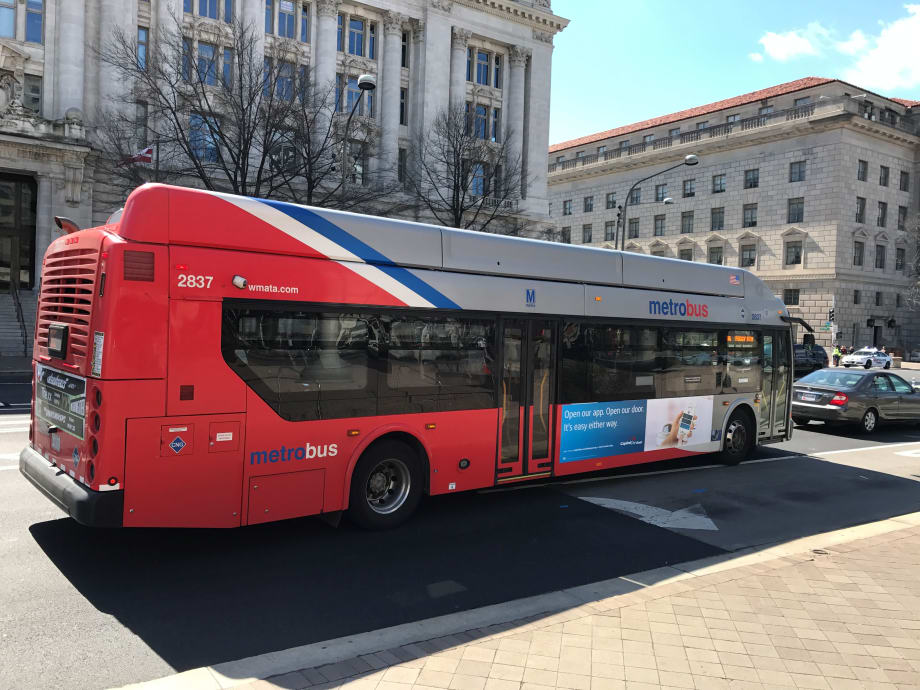
WMATA's upcoming Electric Bus Test and Evaluation, which includes the procurement of approximately 12 electric buses in FY2023, will provide data and experience with electric bus performance in WMATA operating conditions.
METRO Magazine
The Washington Metropolitan Area Transit Authority's (WMATA) board approved a major change to its Metrobus fleet that supports the region's clean air goals, establishes guidelines for more sustainable business practices, and re-elected its chairman to a third term in office.
Reflecting back on the turbulence of the pandemic and the economy, with a concurrent national discourse on equity, Board Chair Paul C. Smedberg said, "It's been a challenging time for all of us at Metro, and I am proud that our leadership and absolutely essential workforce continued to support our customers and the communities we serve every day. With the approval of new sustainability principles, commitment to zero bus emissions, and recovery service and fare plans, we have flipped challenges to opportunities. We are committed to providing better, more equitable, and more affordable transit service than ever before at a time when the region's economic and social recovery depends on Metro."
The board took a major step toward reducing greenhouse gas emissions and improving local air quality with the approval of a new Metrobus fleet strategy that would create a 100% zero-emission bus fleet by 2045, with a full transition to electric or other zero-emission bus purchases by 2030. WMATA's upcoming Electric Bus Test and Evaluation, which includes the procurement of approximately 12 electric buses in FY2023, will provide data and experience with electric bus performance in WMATA operating conditions. The fleet strategy approved today proposes a phased conversion of the 1,500-vehicle Metrobus fleet as zero-emission technologies develop, as well as needed investments in compatible facilities, infrastructure, and work force in the coming years.
The board also approved Sustainability Vision and Principles, which provide a new framework to help guide long-term policy and investment decisions. The vision and principles recognize that WMATA's investments and operational decisions have immediate and significant impacts on health, equity, economic prosperity, and the overall social and economic wellbeing of the region.
More Zero Emissions

Caltrain’s Electrification Drives a New Era of Ridership Growth
The railroad’s shift to electric service has brought more frequent trains, stronger customer satisfaction, and increased ridership, earning it APTA’s Outstanding Public Transportation System award.
Read More →
Building a Flexible Path to Transit Electrification with BAE's John Hroncich
John Hroncich discusses BAE Systems’ modular and scalable approach, lessons learned from decades of real-world operations, and how agencies can identify electrification strategies that fit their fleets.
Read More →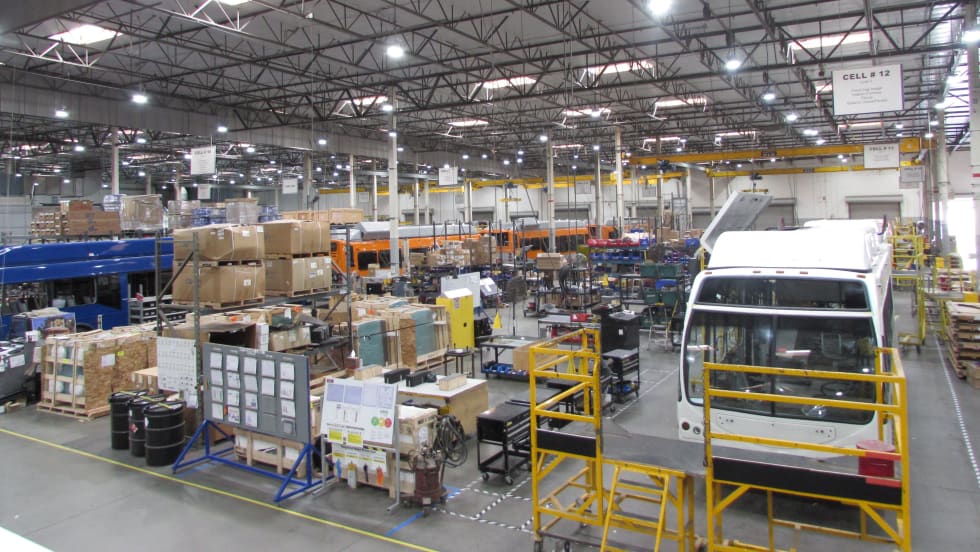
LA Metro Board Awards 220 Battery-Electric Bus Contract to ENC
The contract, which is the largest base award of battery-electric buses by a U.S. transit agency, will be built in Southern California, sustaining good jobs as LA prepares to welcome the world in 2028
Read More →
Public Transit Conference Returning to GFX in 2027, Call for Papers Now Open
The Call for Papers is now open, allowing transit agency professionals and industry experts to help shape the PTC educational program by submitting session ideas for consideration.
Read More →
Report: Transit Bus Manufacturing Supports 34,100 Jobs, $5.1B in GDP
The “Buses Mean Business” report examines the transit bus manufacturing industry’s economic footprint, supply chain, and rising demand for vehicle replacements.
Read More →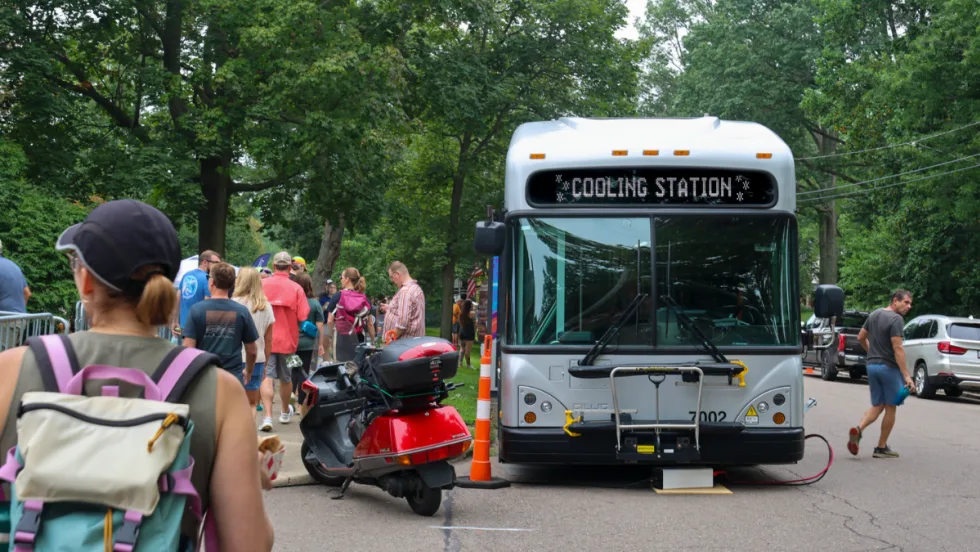
Ohio’s METRO RTA Turns Electric Buses into Mobile Power Sources at PorchROKR
See how three Gillig battery-electric buses powered festival stages while the agency’s new Park & Ride service carried approximately 1,000 attendees, demonstrating another potential use for transit agencies’ electric fleets.
Read More →
CALSTART and Forth Combine to Form Catalyst Mobility
The new name represents a renewed vision for the nonprofit focused on advancing clean, equitable, and affordable transportation solutions that move people and goods.
Read More →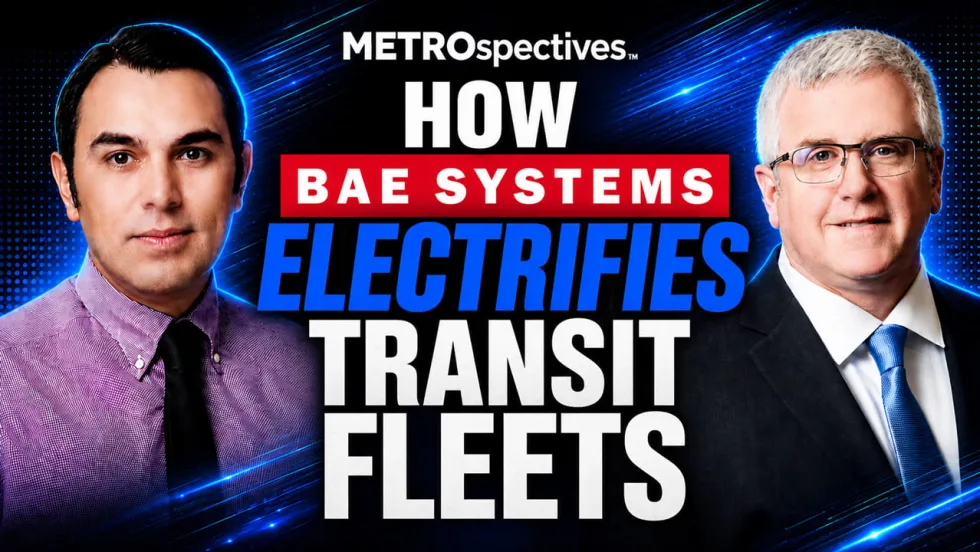
Building a Flexible Path to Transit Electrification
John Hroncich discusses BAE Systems’ modular and scalable approach, lessons learned from decades of real-world operations, and how agencies can identify electrification strategies that fit their fleets.
Read More →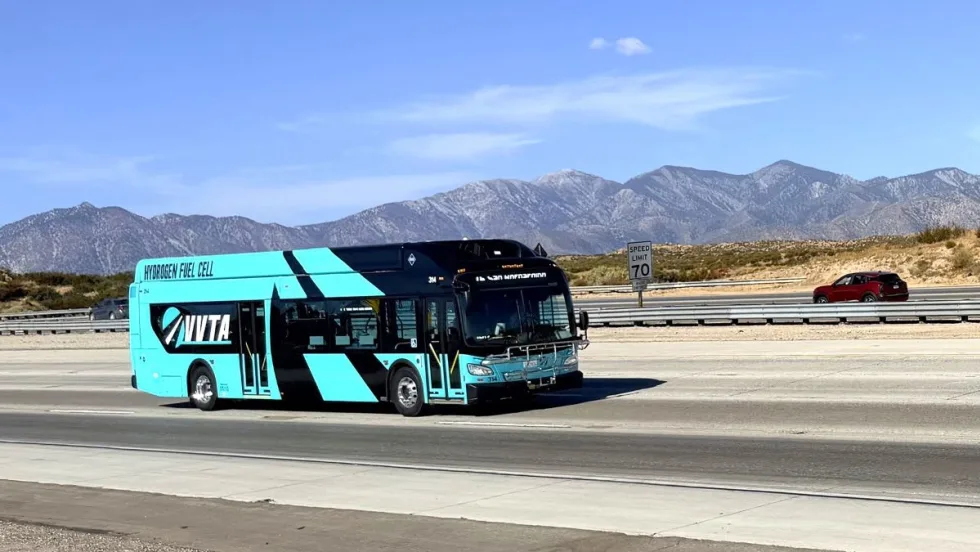
California's VVTA Begins Phased Rollout of Hydrogen Fuel Cell Buses
The agency is introducing 13 zero-emission buses into revenue service while evaluating performance across its urban, rural, and long-distance routes.
Read More →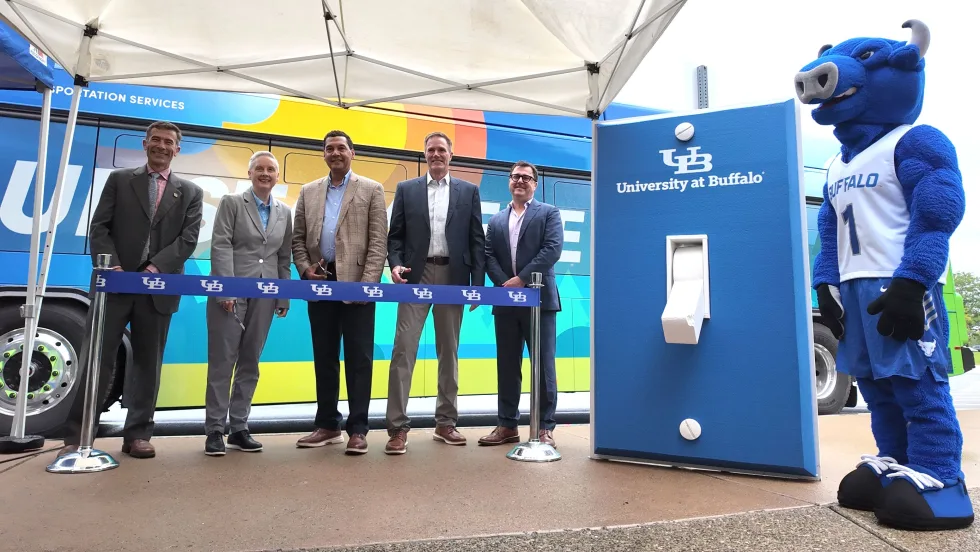
Inside Look: University at Buffalo Puts First 8 Electric Buses Into Stampede Service
UB, transportation solutions provider WeDriveU, and fleet electrification specialist Zenobē marked the deployment in the presence of students, university administrators, and local officials.
Read More →